

Quantifying Structural Overhead Mechanics Across Unvalidated Market Discovery Windows
Structural overhead during unvalidated discovery shifts focus from market signals to administrative preservation, burning capital without market calibration.
Structural overhead during unvalidated discovery shifts focus from market signals to administrative preservation, burning capital without market calibration.

Tracking customer acquisition baseline shifts requires measuring cohort conversion efficiency deltas against a static setpoint over matched temporal windows.

Structural variance quantifies divergence between assumed Gaussian founder projections and empirical heavy-tailed market outcomes via relative entropy metrics.

Continuous parameter waveform injection modulates runtime variables deterministically to isolate non-linear sensitivity boundaries in microservice networks.
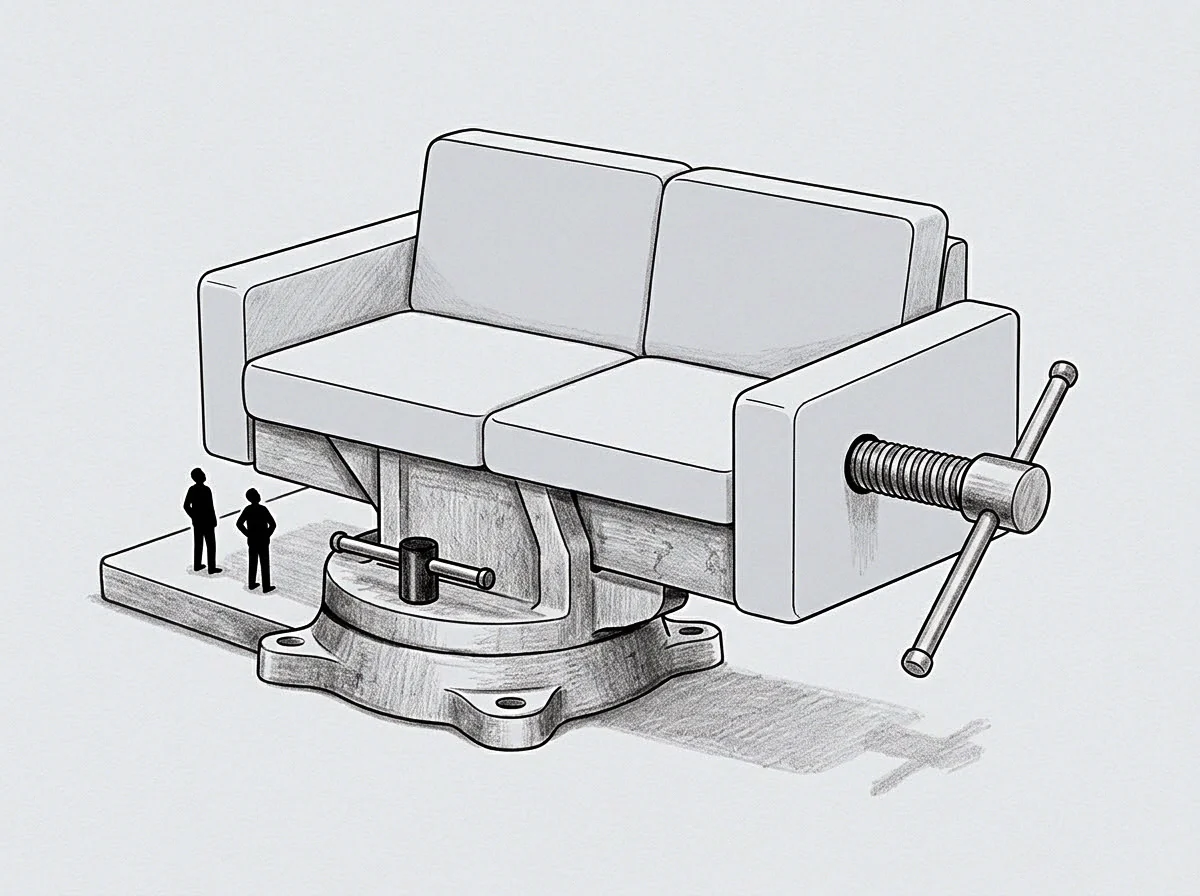
Dynamic parameter perturbation measures systemic response vectors by injecting controlled setpoint shifts and tracking multi-metric state trajectories over time.

Dynamic baffle calibration aligns internal fluid velocity vectors and differential pressure baselines with physical vessel degradation over replacement cycles.

Operators allocate capital between storage augmentation and grid hedges by measuring thermal asset derating against historical seasonal curtailment windows.

True process drift across uncalibrated telemetry streams is isolated by tracking differential pairwise deltas against fixed structural invariants.

Phase alignment across asynchronous latency windows isolates real structural drift by measuring phase vector delta against timed signal arrival intervals.

Frequent directional changes based on uncalibrated data signals erode engineering momentum and compound operational friction far beyond initial resource allocation.

Structural retention becomes measurable only after transient performance lifts decay, revealing the baseline cohort asymptote over extended observation windows.
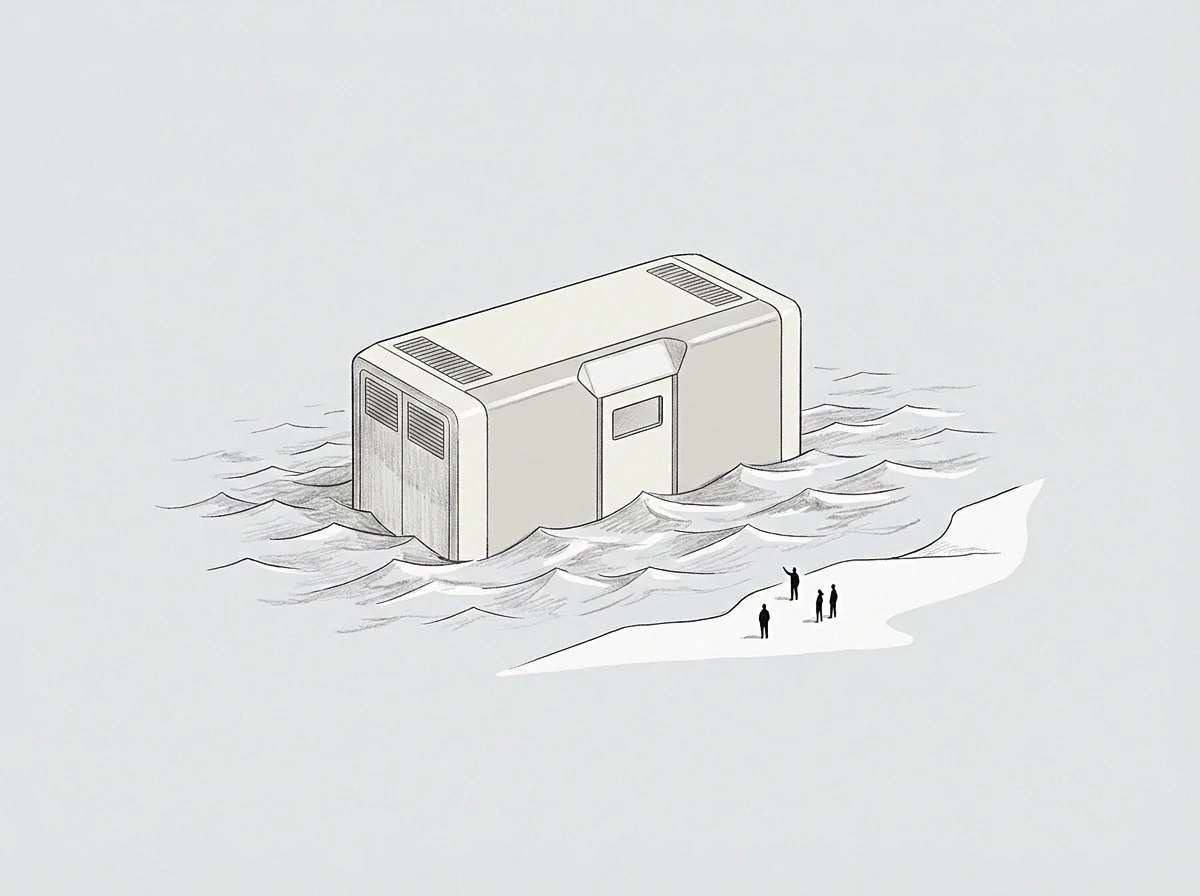
Internal operational delta is measured by comparing physical unit consumption against a synthetic counterfactual baseline that holds macroeconomic price factors constant.

Continuous streaming calibration adjusts baseline reference classes by tracking real-time feature drift and updating window weights without offline retrains.

Decoupling unobservable drivers isolates structural baseline shifts from rapid error metrics before adjusting controller feedback gains.

Measuring output drift requires isolating systematic directional shift from stochastic baseline noise using fixed sampling windows and residual tracking.

Executed parameter decay occurs when static execution heuristics encounter venue microstructure shifts, producing adverse selection without strategy signal failure.

Operators reconcile missing reference classes by replacing cached baseline assumptions with live telemetry gathered over expanding measurement windows.

Signal drift over long windows is detected by introducing active perturbations into the system to verify that reporting instruments compute rather than cache.

Continuous operational telemetry masks long-term structural market shifts until lagged observation windows reconcile execution signals with ground truth.
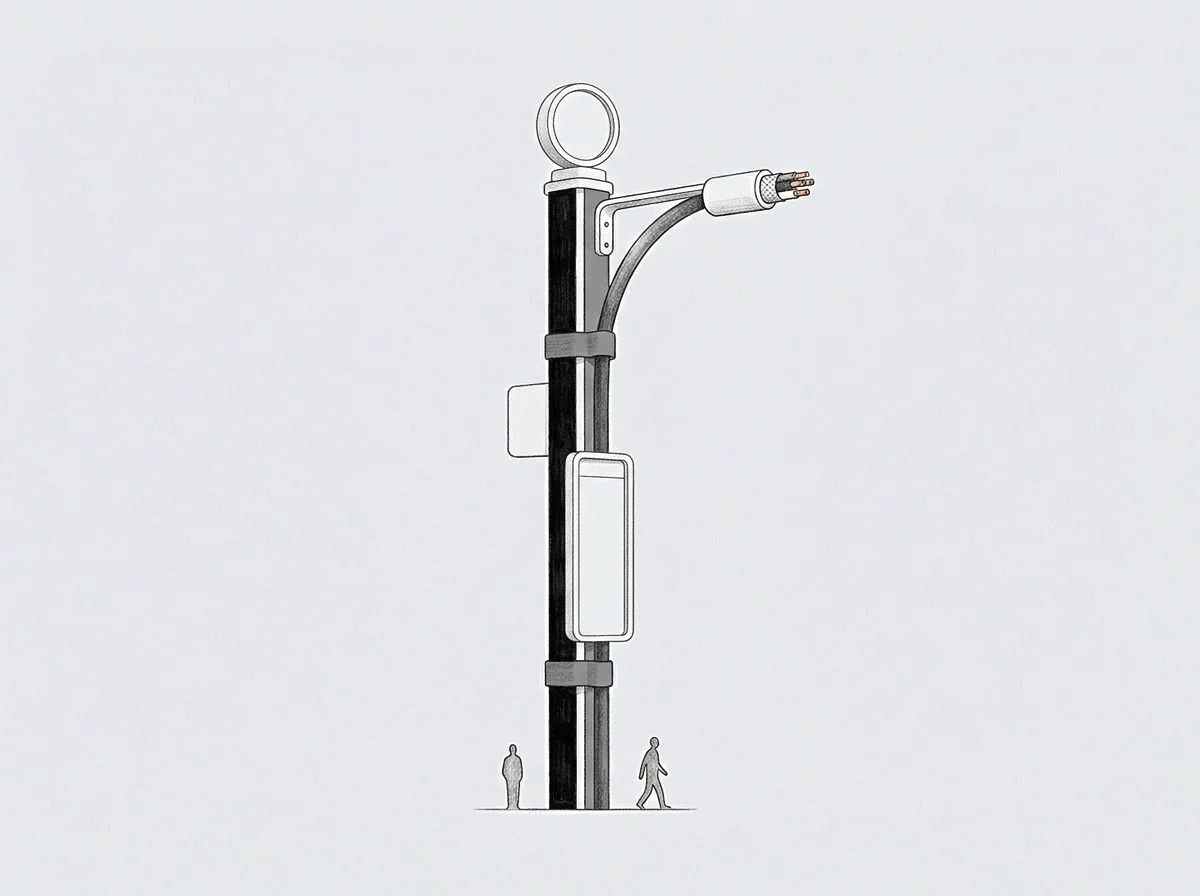
Telemetry isolation extracts true operational velocity by filtering reciprocal feedback loops across connected supply chain networks.
The terms are written where they belong. Each field holds three desks, and every entry a desk writes raises the terms it uses, each term given a meaning, a mechanism and the places it appears. The record on these pages stays first person and hand made; the fields grow the nomenclature.