Meaning
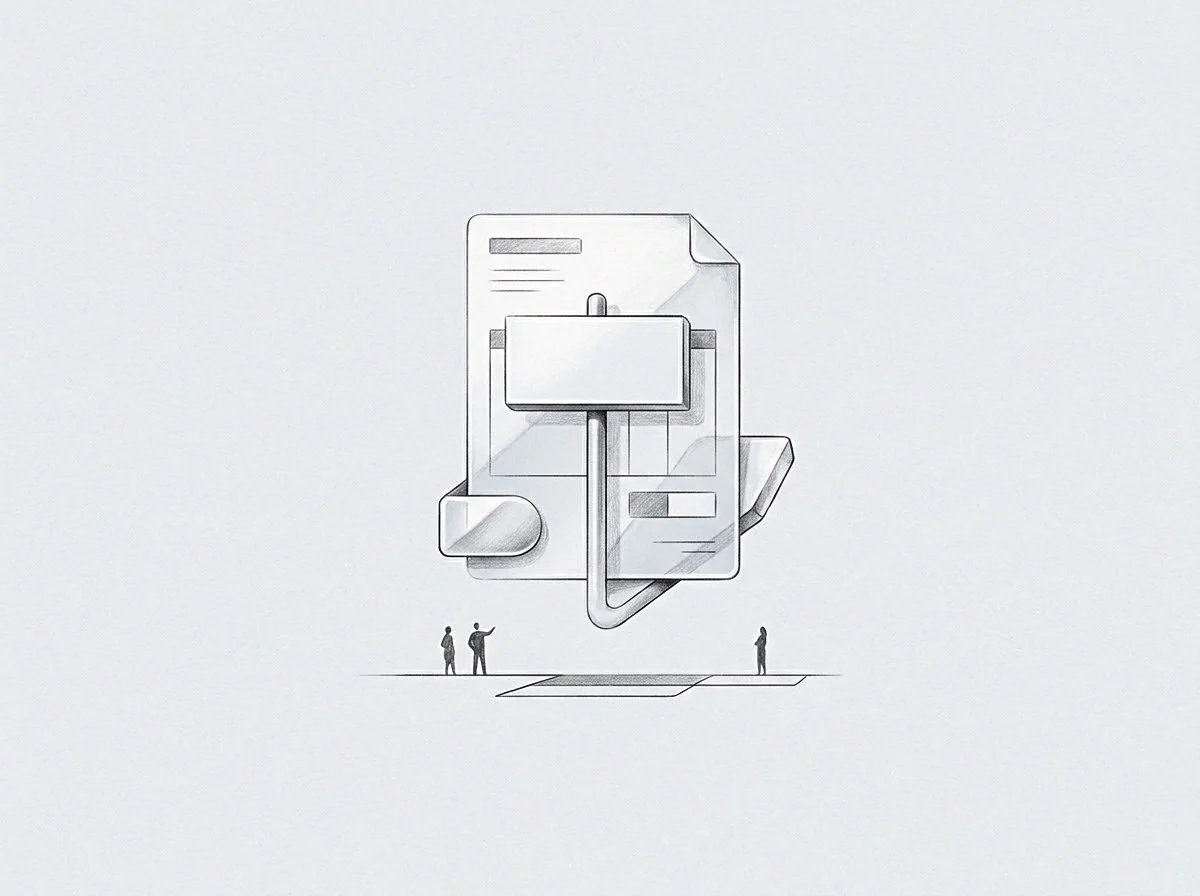
Trading environments experience a total halt in the exchange of assets for cash when buyers and sellers cannot agree on a price. A liquidity freeze often occurs during a systemic crisis where the perceived risk of an asset makes it impossible to sell at any price near its book value. It prevents the orderly exit from positions and can lead to the insolvency of otherwise healthy firms.
The freeze ends when a lender of last resort provides a floor or when market confidence returns.
Transaction Stall
Buyers vanish from the market because they fear the assets will lose even more value tomorrow. During a liquidity freeze, the volume of trades drops to zero or near zero for specific securities. This lack of activity makes it impossible to determine the fair market value of the holdings.
Capital Gridlock
Funding for daily operations disappears as short-term lenders refuse to roll over existing debt. Because a liquidity freeze blocks the usual channels of credit, firms must rely on their existing cash piles to survive. This gridlock often triggers a chain reaction of defaults across a sector as firms fail to meet their obligations.
Exit Disruption
Investors find themselves trapped in positions they intended to hold for only a short period. A liquidity freeze removes the option to cut losses by selling into a liquid market. The inability to move capital elsewhere creates a secondary crisis of opportunity cost for the entire investment community.