Meaning
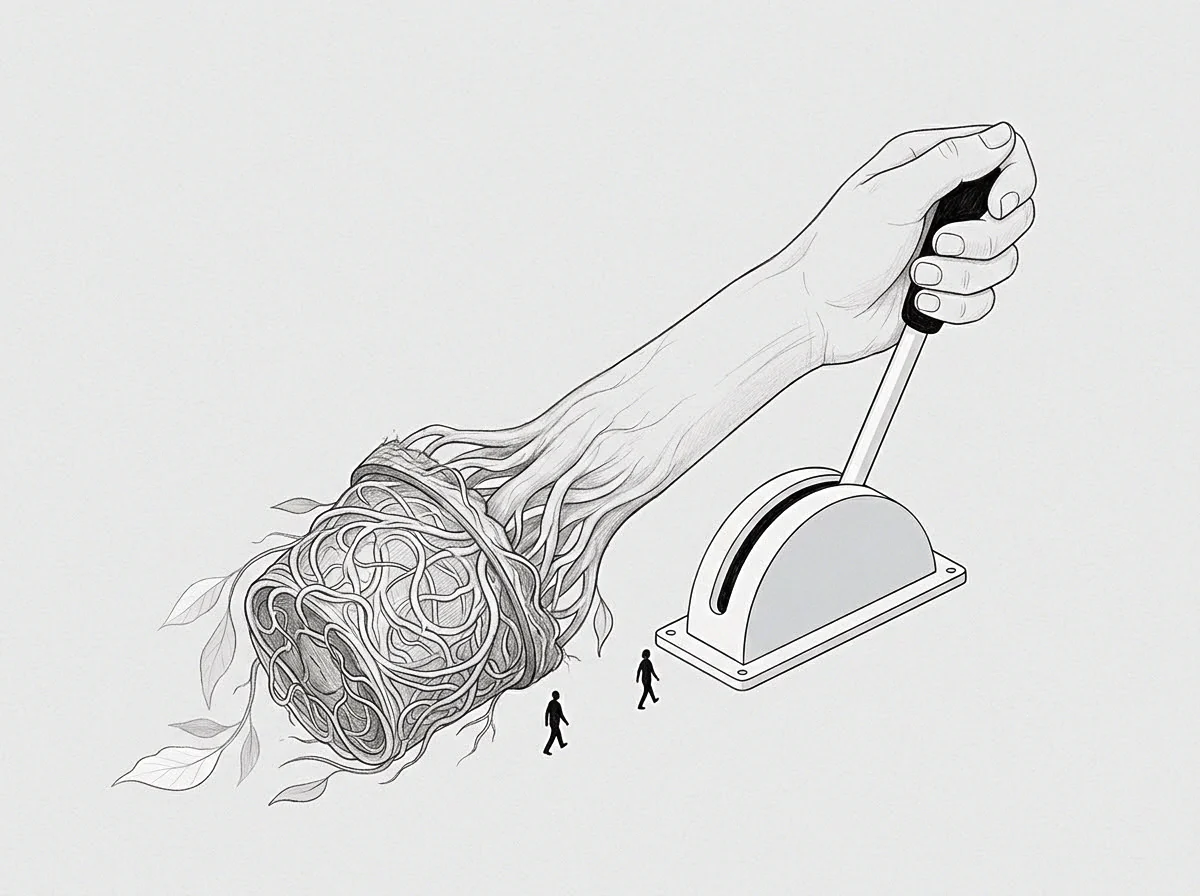
Strategic execution reviews evaluate the systemic resistance of established workflows to structural or procedural modifications. This corporate drag, known as operational inertia, occurs when existing processes, employee habits, and legacy tools lock an organization into its current mode of action. It slows down the implementation of new strategies even when there is unanimous agreement on the need for change.
The phenomenon exists in all mature organizational structures, growing stronger as the size of the workforce and the complexity of the division of labor increase.
Behavioral Resistance
Human factors contribute heavily to the persistence of inefficient routines. Employees develop comfort with specific tools and procedures, leading them to bypass new protocols in favor of familiar habits. This behavioral baseline creates an invisible barrier to progress.
Overcoming it requires continuous training and the removal of legacy access points.
Efficiency Penalty
The cost of this organizational drag is measured in delayed product launches and missed market opportunities. When operational inertia prevents a company from adopting modern automation tools, its unit costs remain high. This disparity allows more agile competitors to capture market share.
Organizations must identify these bottlenecks early to protect their competitive positioning.
Change Management
Overcoming structural stagnation requires deliberate intervention from leadership. This involves redefining performance metrics to reward compliance with the new workflow patterns. Leaders must also decommission the old systems entirely to prevent employees from reverting to their previous habits.
These interventions break the cycle of routine-seeking behavior.