Meaning
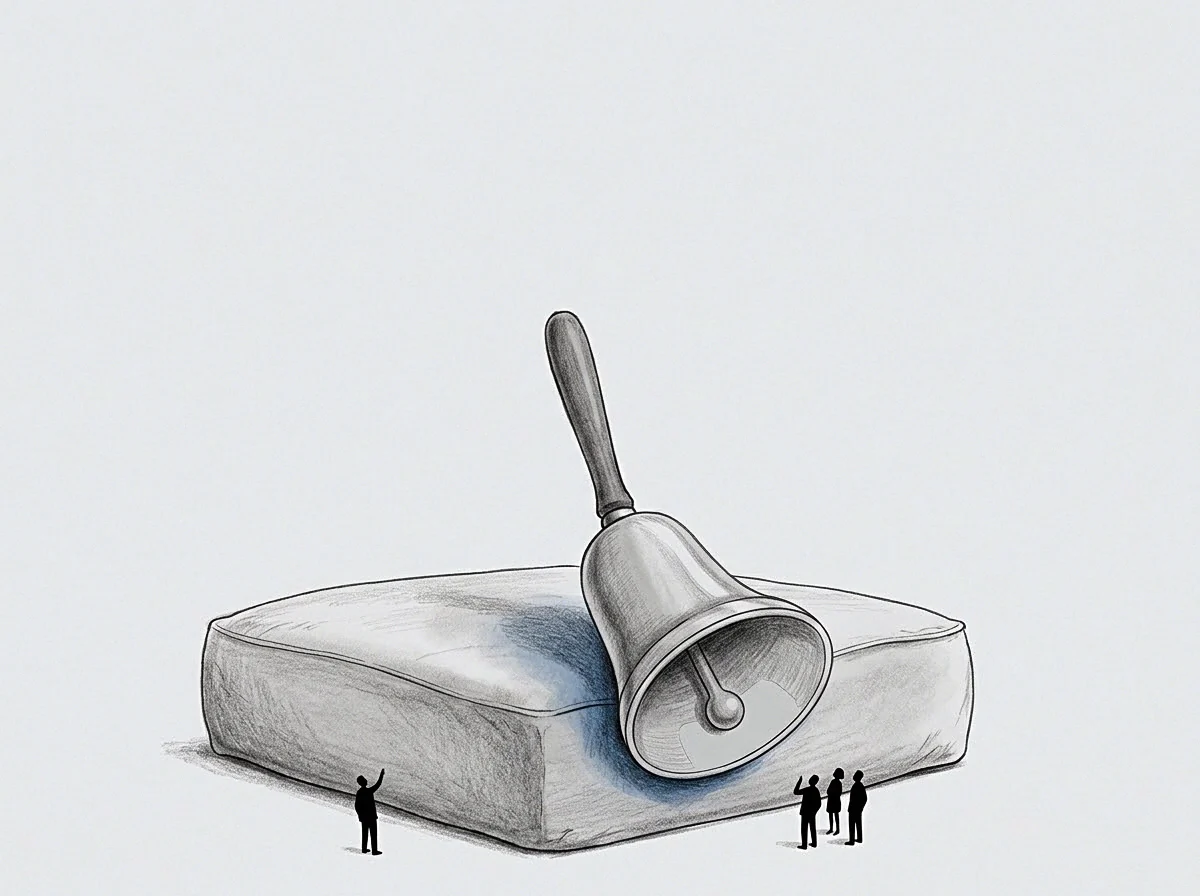
Structural configuration maps illustrate the real network of functional dependencies, administrative elevations, resistance gradients and resource pools that constitute an enterprise. The operational topography describes this landscape, detailing the friction, elevation changes and flow paths that work encounters as it moves through an organization. It separates the flat, idealized corporate org chart from the actual jagged terrain of execution.
The concept stops applying when applied strictly to external market dynamics, supply chain logistics or physical geography outside internal production systems.
Gradient Analysis
Tasks do not move across an organization along smooth, frictionless planes. The operational topography reveals steep resistance gradients around risk review boards, compliance offices and technical integration nexuses. Moving an initiative uphill through these high-elevation control points requires significant political energy and resource allocation.
Conversely, downstream functional paths allow operational momentum to accelerate rapidly. Measuring these gradients provides an objective assessment of structural drag across different company divisions.
Path Selection
Operators inevitably navigate an organization by charting the path of least operational resistance through the structural terrain. When the operational topography presents insurmountable procedural peaks, work instinctively flows into ravines, workarounds and informal channels. Highly configured bureaucratic obstacles rarely stop action, they simply redirect it into unmonitored pathways.
Analyzing this topography enables designers to identify where structural resistance is producing unintended systemic deviations. Process architecture must conform to the natural contours of functional execution.
Topographical Evolution
Structural landscapes change continuously as personnel join, institutional authorities expand and administrative mandates accumulate over time. The operational topography shifts with every new approval requirement, software tool adoption or organizational realignment. Without systematic remapping, leadership plans initiatives based on obsolete assumptions about organizational flow.
Understanding the current structural relief enables predictable project execution. Accurate operational navigation requires continuous recalibration against the actual resistance surface of the enterprise.