Meaning
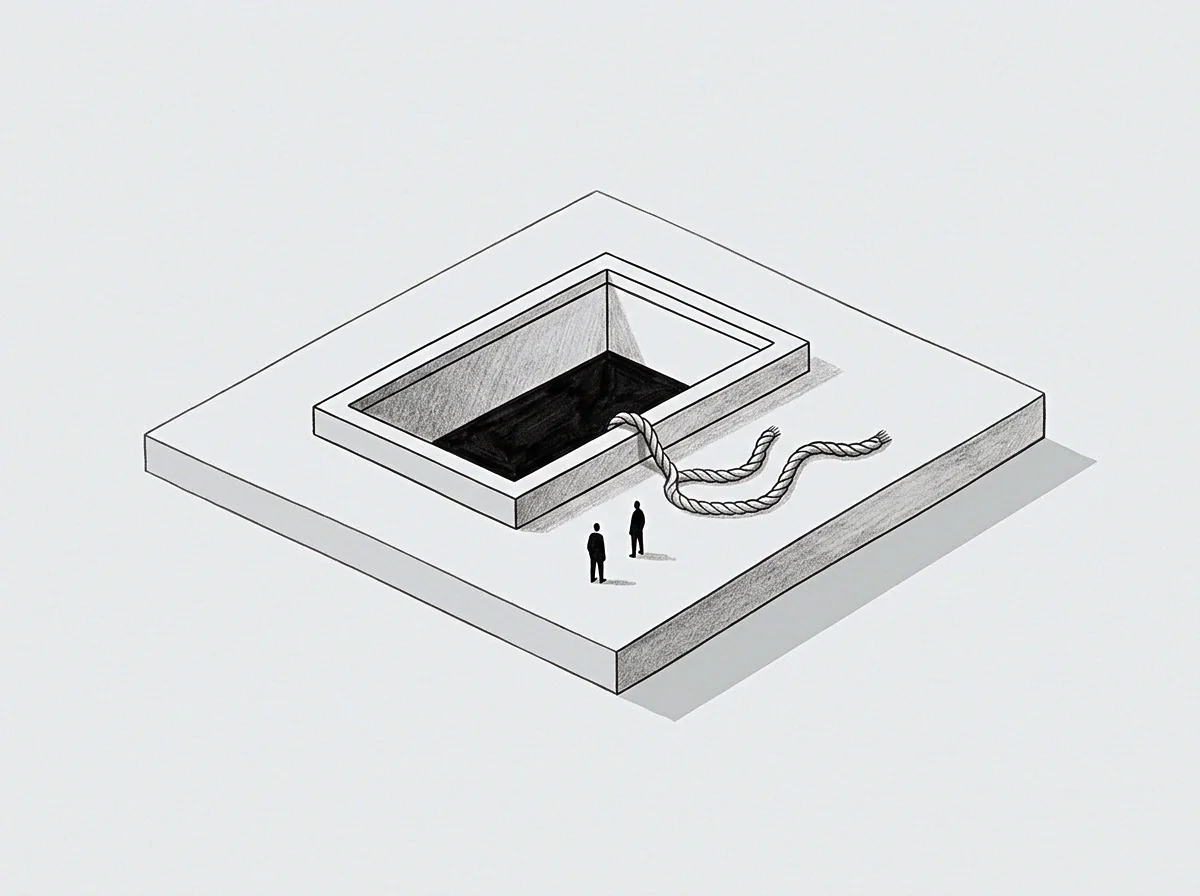
Operational friction represents the unbudgeted energy or capacity consumption occurring when internal workflows fail to align with external service requirements. A shadow expense happens whenever human attention cycles disappear into the gap between established protocols and the actual complexity of a task. This leakage often occurs in software infrastructure where manual oversight compensates for incomplete automation, absorbing hours that remain invisible to standard accounting reports.
Efficiency Variance
Discrepancies between expected cycle times and actual duration measure the intensity of these hidden costs. When a team operates under conditions of high technical debt, the delta between the theoretical output and the practical result widens into a consistent bleed of productivity. Systems that require frequent human intervention to fix minor data errors or synchronization delays create a tax on every hour of available work.
Resource Allocation
Founders identify these sinks by tracking the delta between hours billed for feature development and the total logged time within an operational unit. High counts of manual overrides or repetitive troubleshooting cycles demonstrate that a portion of the staff capacity remains locked in maintenance tasks. The ratio of time spent on reactive adjustments to time spent on proactive growth defines the weight of the overhead.
Performance Constraint
Operational drag sets the ceiling for output because the available hours for innovation contract as the volume of manual coordination grows. Scaling a platform becomes harder when a fixed percentage of current capacity is required for simple stability. A process that relies on permanent human bypass mechanisms prevents the realization of linear growth, forcing the organization to add personnel simply to maintain the current velocity.