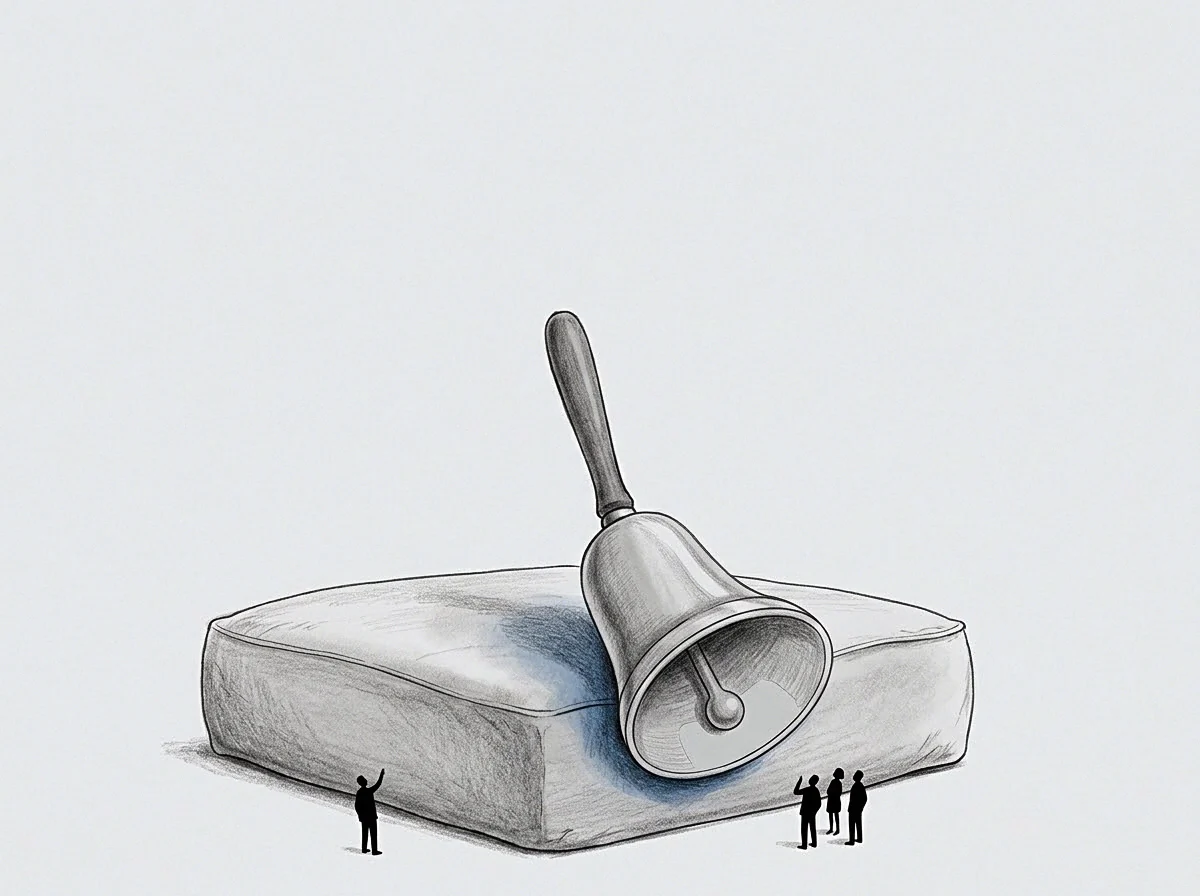
Meaning
An organisational reduction technique involves the removal of redundant reporting layers and duplicate operational units to increase executive span of control. This practice functions as a cardinal metric of corporate density where a lower number indicates a leaner reporting architecture. Decision speed gains depend on the removal of intermediary nodes that previously slowed information flow.
Operational Efficiency
Resource allocation benefits from the deletion of overlapping functions that consume capital without contributing to net output. Each consolidation of departments identifies where headcount formerly sat on distinct paths that crossed without synergy. Costs of governance fall when redundant layers vanish.
The delta between initial and final management tiers provides a clear view of the capacity gain.
Managerial Velocity
Velocity measures the interval between the arrival of a requirement and the execution of a corrective action. Reduced hierarchies permit direct communication between the source of a signal and the agent capable of acting upon it. Managers hold higher spans of control that demand more autonomy from subordinates.
Increased span depth forces the system to rely on clear standard operating procedures rather than constant vertical intervention.
Organizational Density
Density acts as a gradient representing the concentration of decision rights per capita within an entity. High concentrations of authority at the top of a deep pyramid create a sluggish response loop. Flattening this pyramid distributes rights further down the chain to lower the total volume of communication traffic required to reach a consensus.
A lower density profile signals that a firm reached a state where every role maintains a direct link to the central objectives.