Meaning
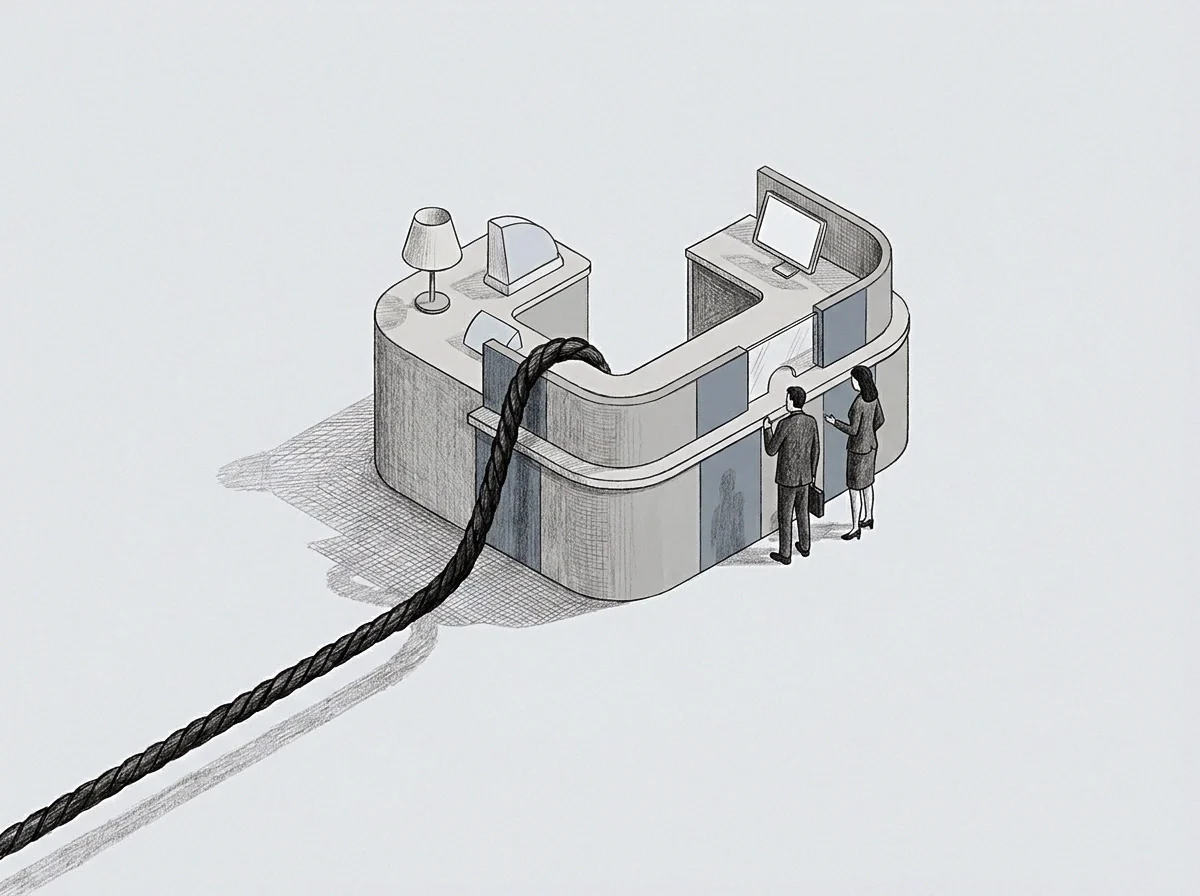
Structural inefficiencies arise when service providers are compensated based on hours logged rather than the value of the completed output. In professional and technical services, time and materials bias occurs when teams prioritize labor volume over efficiency because their revenue increases with the time spent. This incentive alignment problem often leads to project delays, bloated budgets, and strained client relations.
It represents a fundamental conflict of interest between service velocity and provider compensation.
Incentive Distortion
Billing models dictate the operational behavior of delivery teams. Under time and materials contracts, there is no financial penalty for slow delivery or repetitive testing. This structure reduces the urgency to automate processes or adopt more efficient workflows.
It limits the scalability of the services business.
Financial Friction
Clients frequently experience budget uncertainty when working with hourly billing arrangements. The time and materials bias means that the buyer bears all the risk of project delays and inefficiencies. This imbalance can lead to friction and erosion of trust during long engagements.
It often forces organizations to adopt fixed-price models to restore predictability.
Alternative Valuation
Value-based pricing aligns provider incentives with client outcomes. Measuring delivery by results rather than hours encourages teams to focus on speed and accuracy.