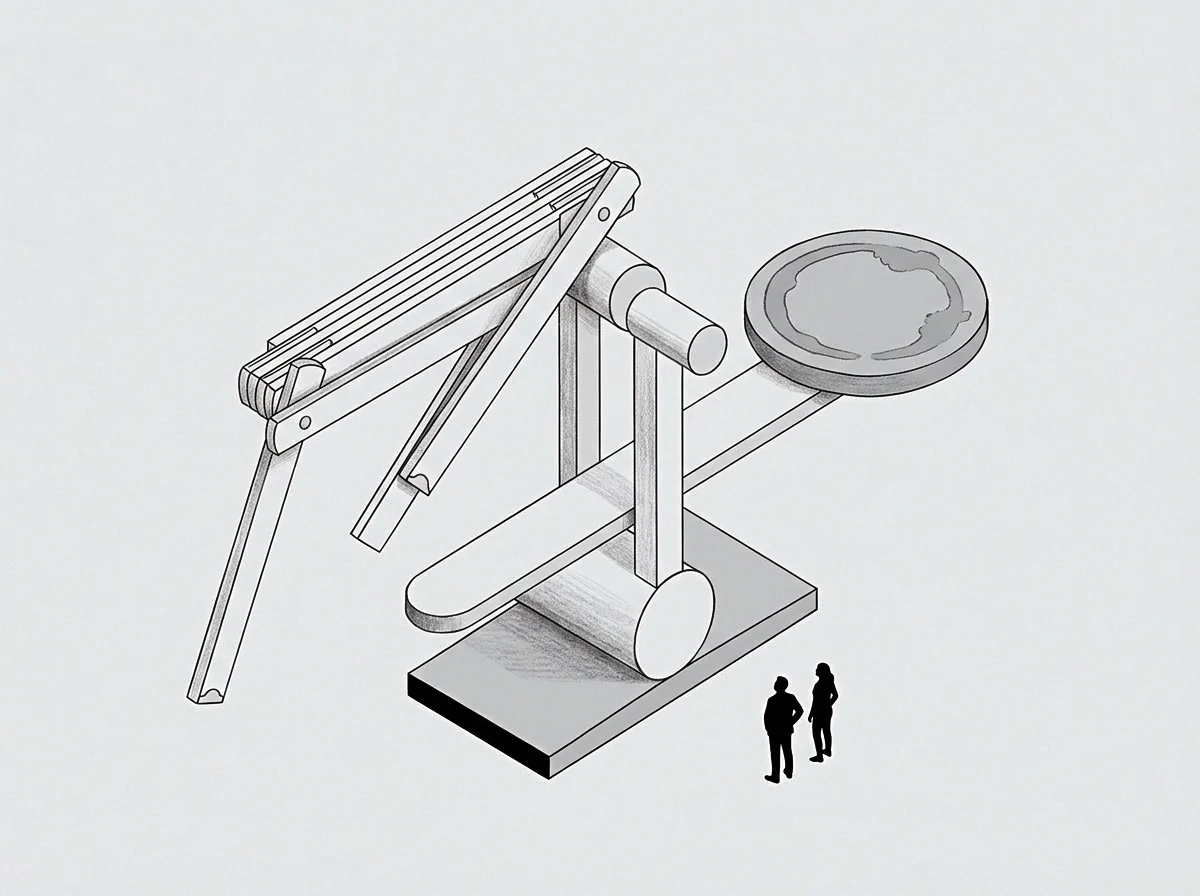
Meaning
Operational resistance describes the friction encountered when a service provider and a client experience misalignment in expectations or processes. Higher levels of client friction increase the administrative energy required to complete even simple tasks. This measurement ceases to be relevant once a relationship is terminated or when the interaction becomes entirely automated.
Interaction Strain
Misalignment often manifests as excessive email threads, repeated requests for clarification or delays in approval. Every additional step required to reach a decision adds to the mental cost of the engagement. While some resistance is expected during the initial onboarding phase, persistent difficulty indicates a fundamental mismatch in working styles.
Process Delay
Drag on a project slows movement through the necessary stages and extends the timeline for delivery. When a client routinely misses deadlines or provides incomplete information, the entire production schedule suffers. This delay affects not only the specific client causing the issue but also the capacity to serve other obligations.
Effective management requires identifying the source of the resistance (whether it stems from poor communication or a lack of technical understanding) and addressing it directly.
Margin Impact
Increased administrative demands erode the profitability of a contract. A fixed fee agreement becomes less attractive when the hours spent on coordination exceed the hours spent on expert delivery. Tracking the time spent on non productive activities helps identify which relationships are no longer sustainable.