

Measuring Internal Transfer Price Latency Across Multi-Divisional Firms
Transfer price latency measures elapsed days between external market price changes and internal ledger updates across business divisions.
Transfer price latency measures elapsed days between external market price changes and internal ledger updates across business divisions.
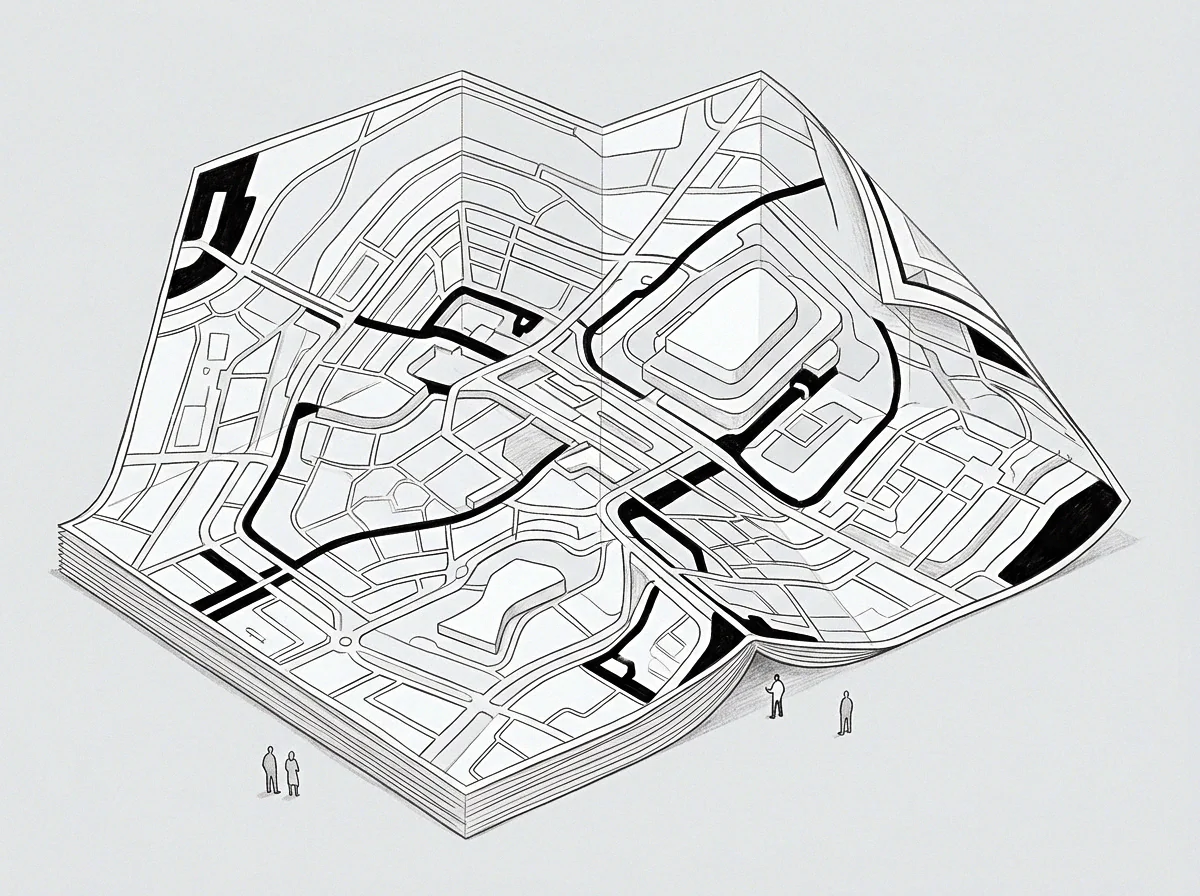
Non-linear downstream headroom collapse occurs when concurrent upstream queues clear simultaneously, triggering multiplicative contention that destroys processing throughput.

Dynamic buffer depletion modeling tracks net consumption rate gradients against ingress velocity to prevent memory exhaustion in multi-tenant message pipelines.

Memory boundary calculation sets the physical queue limit by combining serialized payload size, runtime metadata wrappers, and arrival-drain differentials.

Managing unused channel capacity balances continuous capital expenditure against tail latency protection during abrupt, heavy-tailed data volume spikes.

Structural friction vectors measure directional drag across enterprise handoffs where misaligned data structures and divided authority force repeated rework.

Dynamic rate adjustment at the zero boundary decouples control velocity from cardinal output, scaling step size against latent state gradients under decay.

Cardinal yield tracks local transaction efficiency while long-term objectives require preserving unspent operational plasticity across low-frequency vectors.

Boundary alterations in high latency environments release stored operational tension along paths of least resistance, measurable by tracking coordination lag.
Operational friction baselines emerge by calculating the energetic distance between documented clearance paths and the undocumented workarounds teams deploy.

Phase inversion drift occurs when aerodynamic heat shifts dielectric polarity, requiring spatial differential tracking to decouple sign flips from true load.

Unseen spatial impedance deflects executive effort down local gradients of least resistance, routing work around high-leverage commercial boundaries.
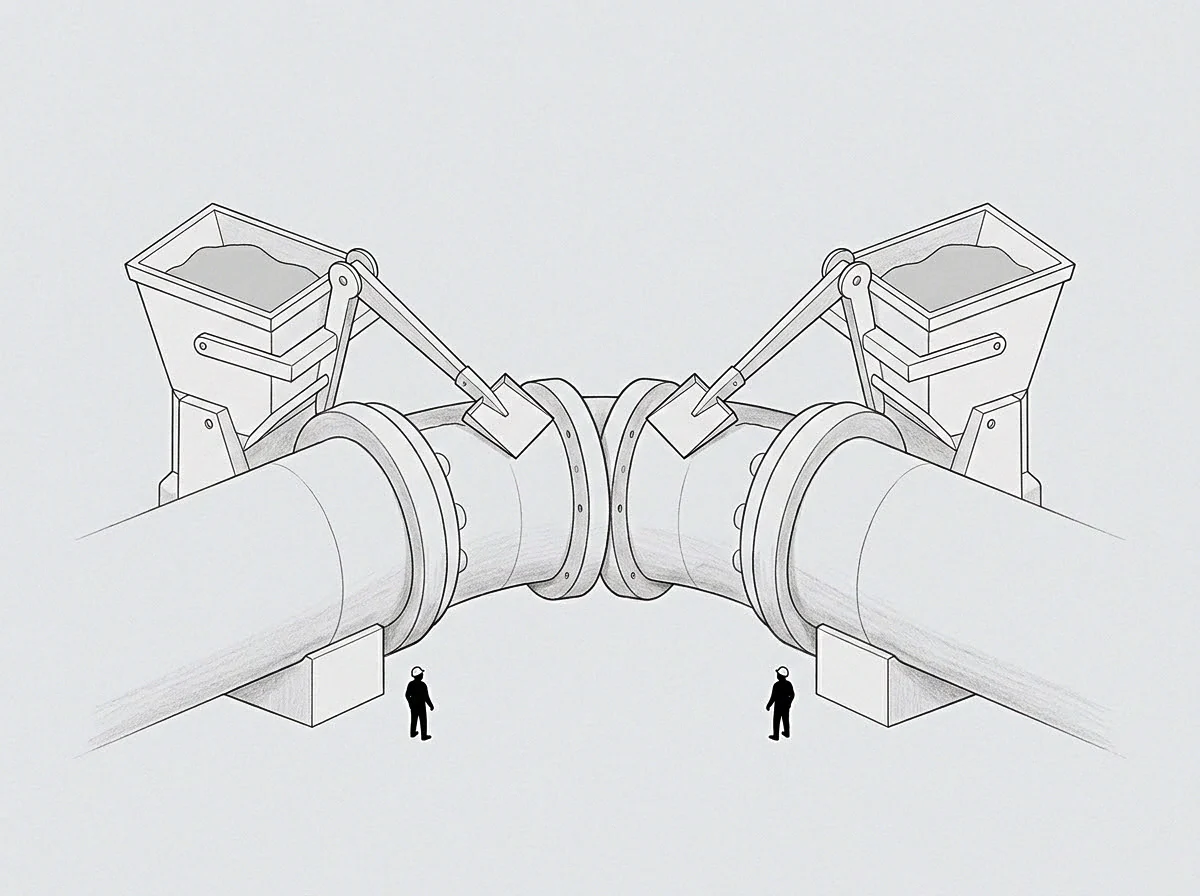
Kinematic friction asymmetries resolve by decoupling shared pathways or throttling unimpeded entities to prevent shear failure across degraded operational links.
The terms are written where they belong. Each field holds three desks, and every entry a desk writes raises the terms it uses, each term given a meaning, a mechanism and the places it appears. The record on these pages stays first person and hand made; the fields grow the nomenclature.