Meaning
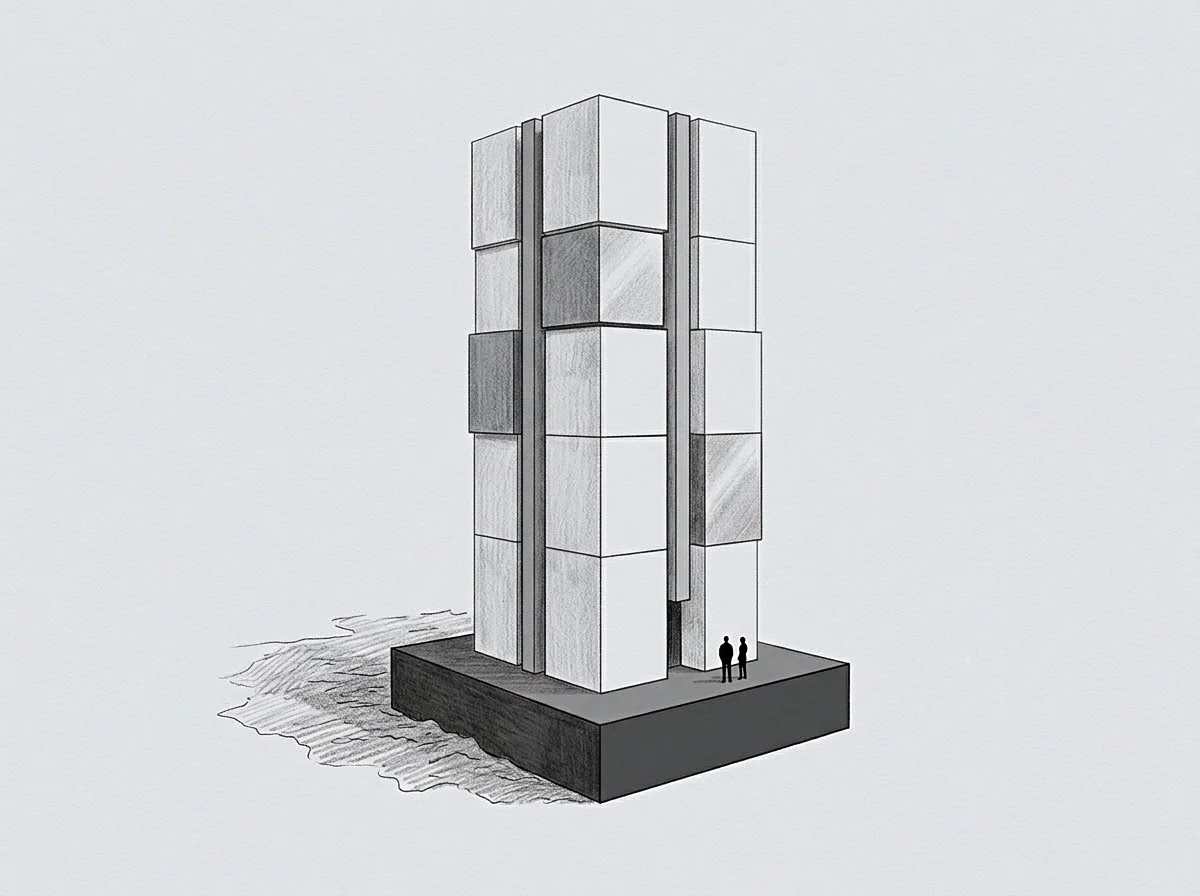
Operational saturation defines a state where systemic throughput ceases to grow despite additional resource allocation. Capacity exhaustion identifies the point at which an infrastructure reaches its physical or computational ceiling, rendering further output impossible without fundamental modification of the underlying architecture. Fixed assets often exhibit this limit when utilization metrics approach the absolute maximum allowed by their mechanical or software design.
Resource Threshold
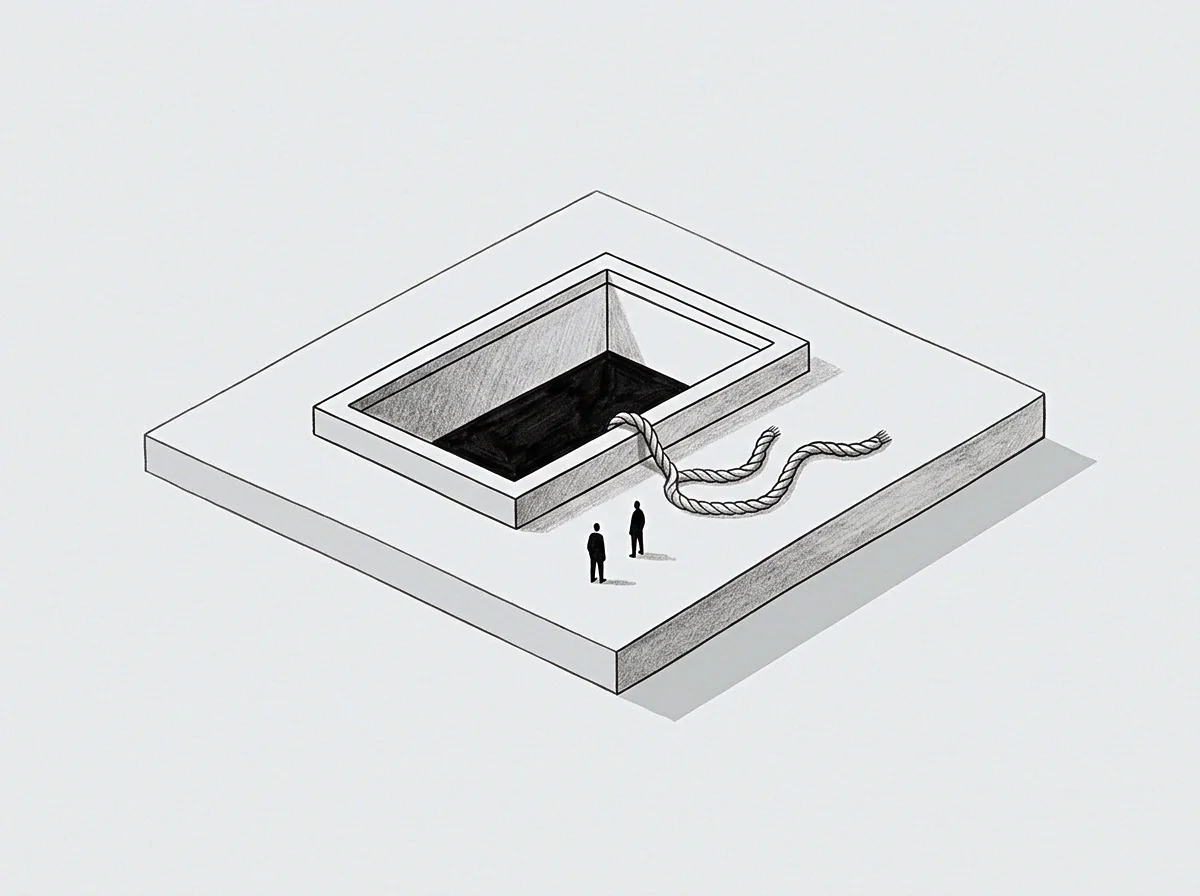
Throughput analysis reveals the velocity at which an organization approaches its operational limit. Capacity exhaustion acts as an ordinal marker on a scale of efficiency where the delta between input and output begins to vanish. Managers monitor this transition to prevent cascading failure in systems that lack inherent slack.
Efficiency Gradient
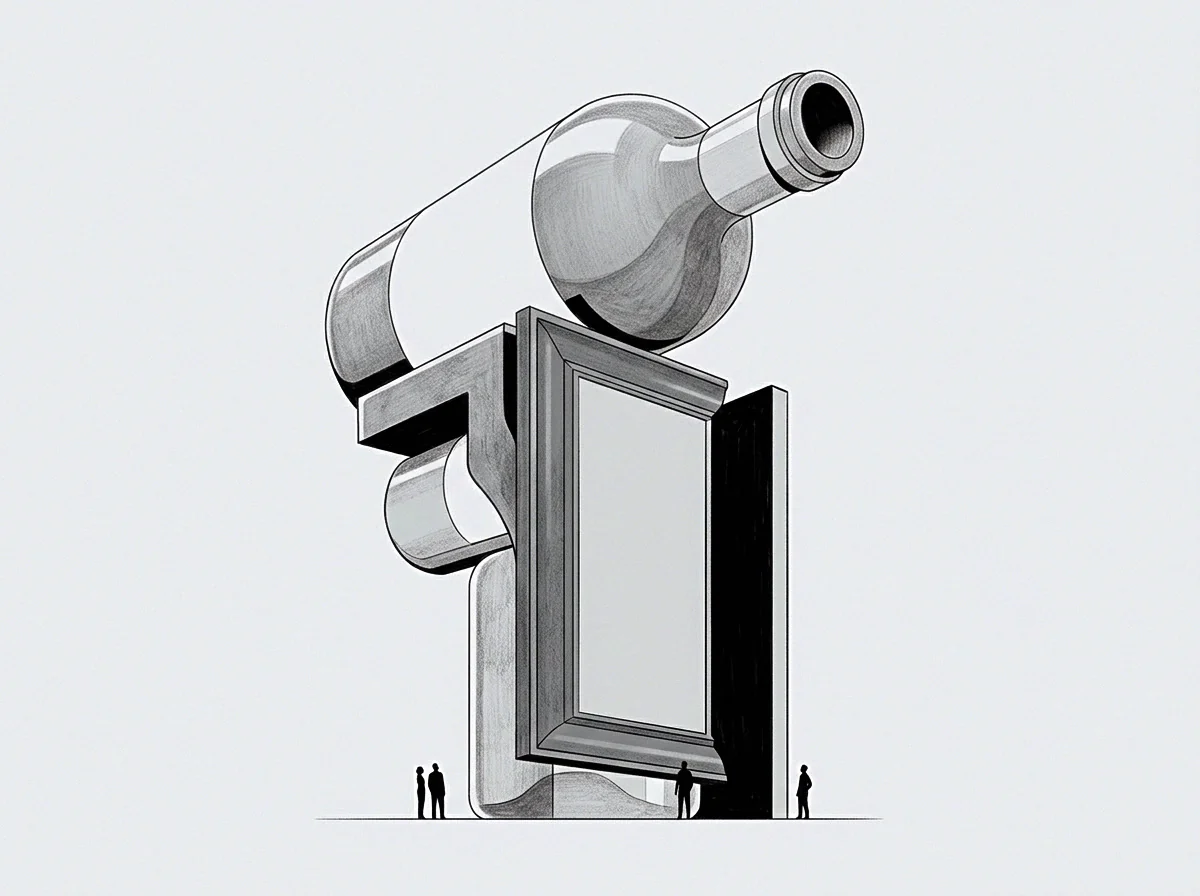
Stagnant production rates provide the signal that a platform possesses no further margin for operational load. Capacity exhaustion forces a binary choice between technical scaling and service degradation. Decisions made at this juncture determine whether an organization prioritizes maintenance or aggressive growth based on the availability of spare headroom.
Systemic Constraint
Mathematical models of production predict the inevitable onset of friction as buffers disappear. Capacity exhaustion occurs when the variance in demand outstrips the stable supply of processing power. Constraints built into the physical hardware define the hard wall that prevents the expansion of business functions beyond the original design parameters.