
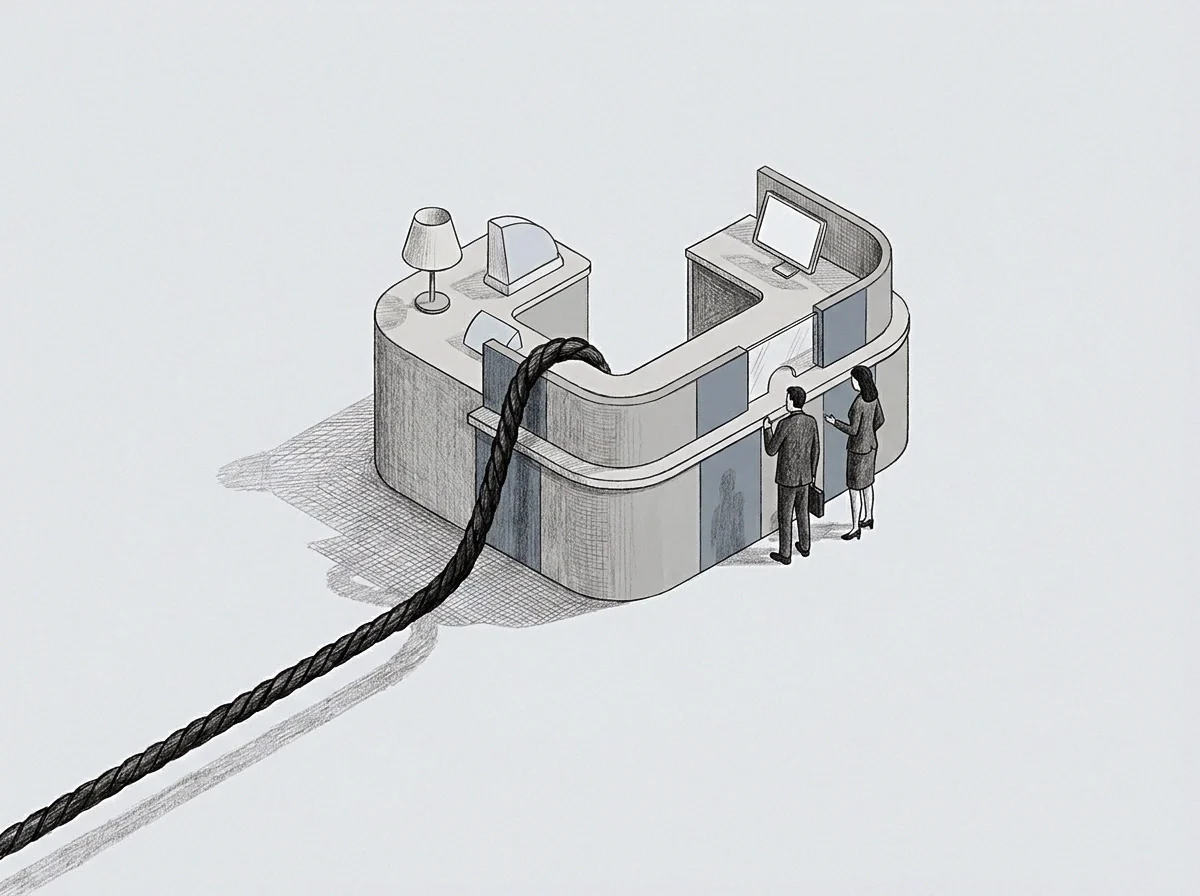
Decomposing Real Service Delivery Drain Across Standard Commercial Contracts
Standard commercial contracts drain operational capacity by permitting ambiguous acceptance reviews, unmetered client support, and asymmetrical service penalties.
Standard commercial contracts drain operational capacity by permitting ambiguous acceptance reviews, unmetered client support, and asymmetrical service penalties.
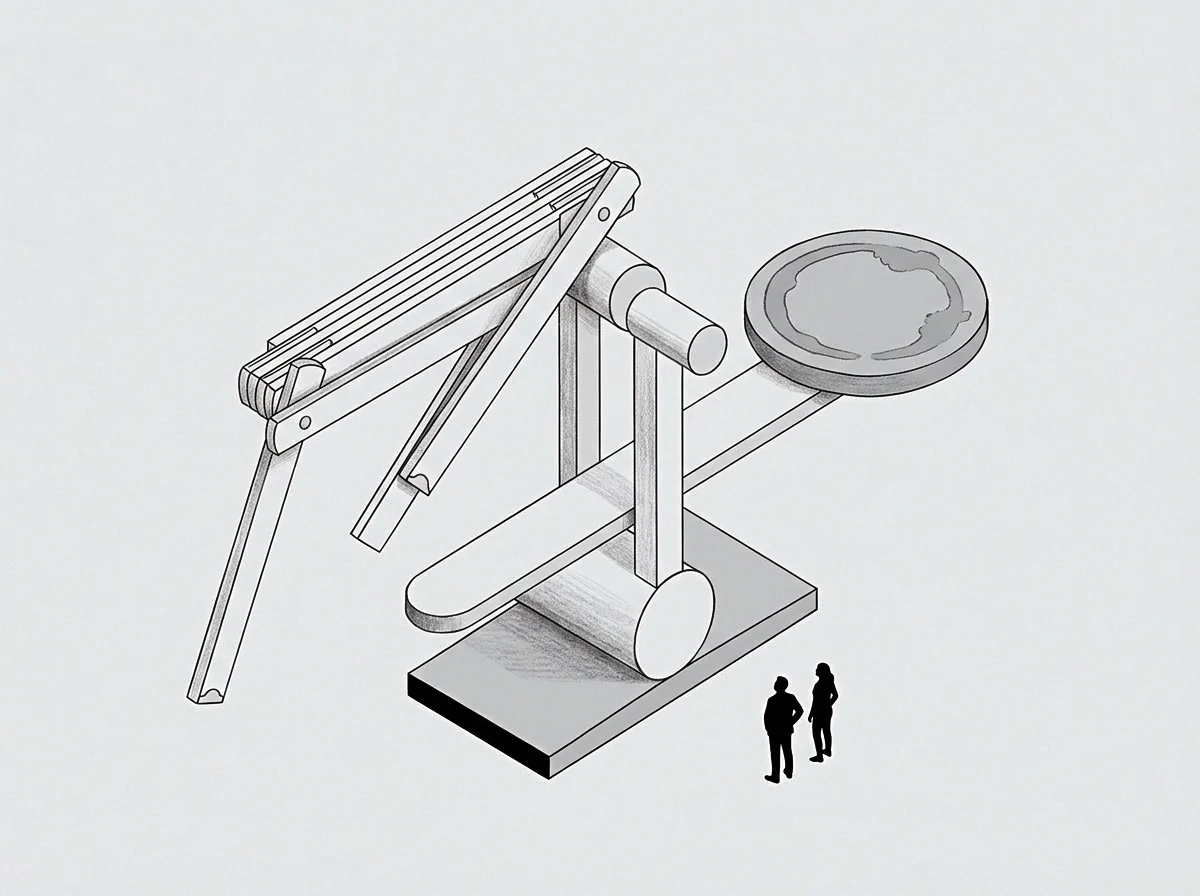
Fixed pricing preserves operational margins only when direct labor hours are strictly capped against milestone deliverables through objective acceptance criteria.
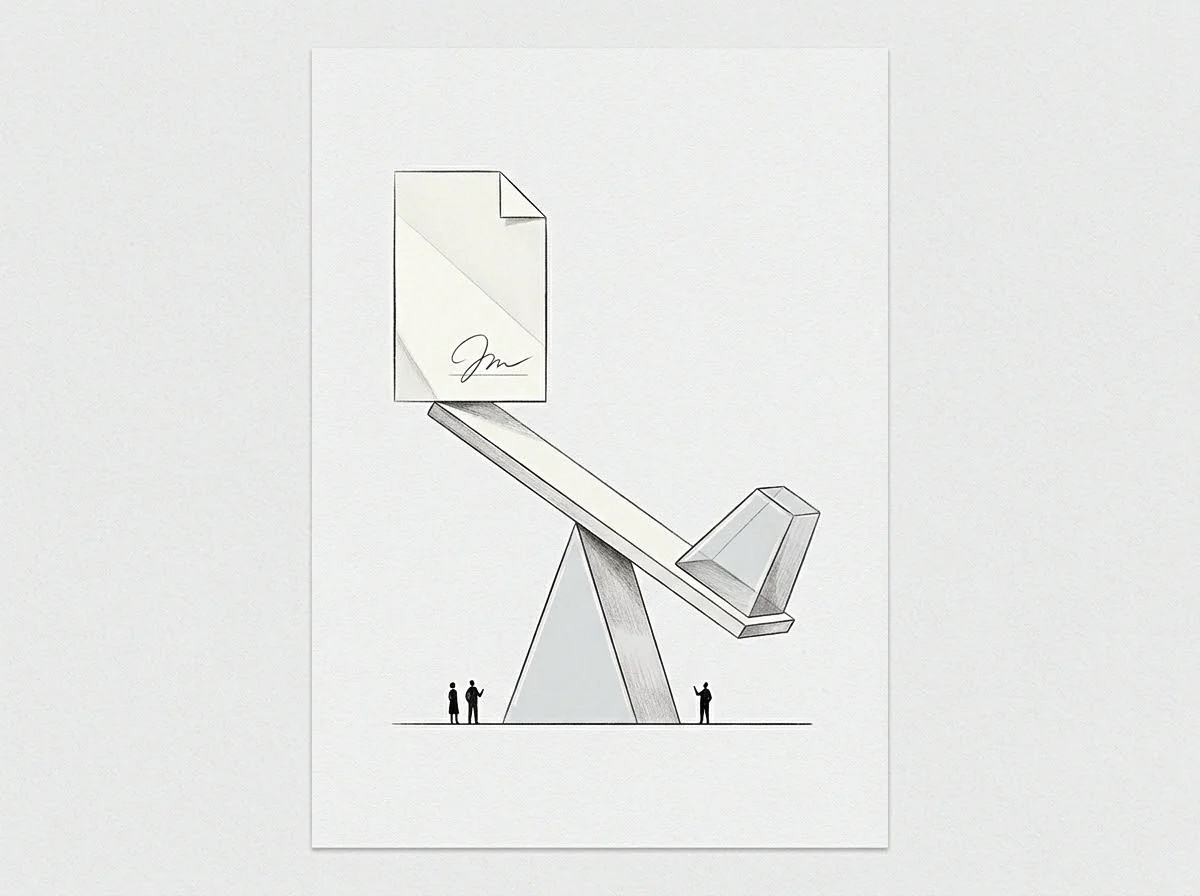
Dynamic contractual capacity protections use automated scope attenuation and intake gates to prevent team operational collapse during severe distress.

Dynamic capacity gating converts unpriced cognitive depletion in software retainers into cardinal contractual fee adjustments.

Converting internal capacity cost vectors into contract terms requires translating internal ordinal friction into cardinal legal boundaries and explicit overage triggers.
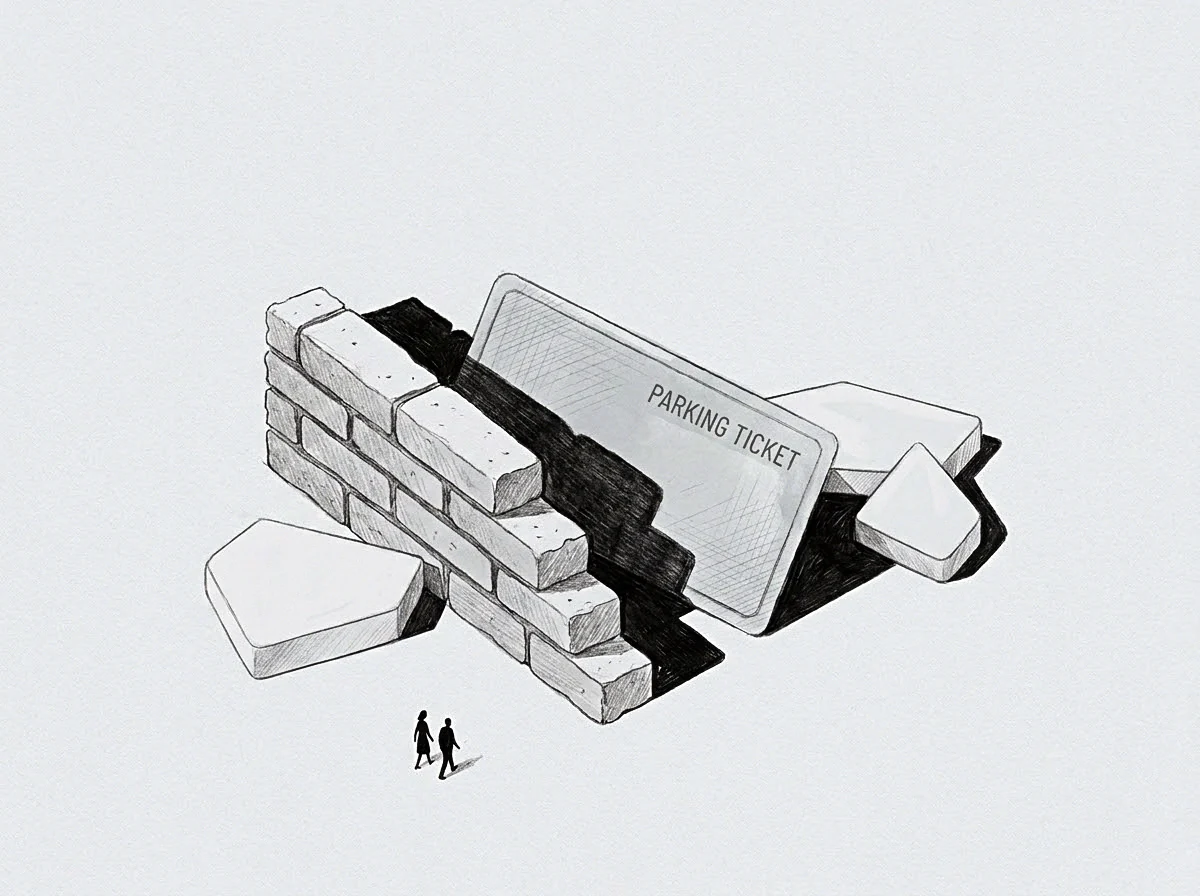
A contractual penalty tariff converts cognitive context switching into billed recovery hours, pricing unscheduled disruptions to protect delivery velocity.

Rebaseline ratchet clauses convert unpriced client friction into permanent cardinal retainer increases when operational delay thresholds are breached.
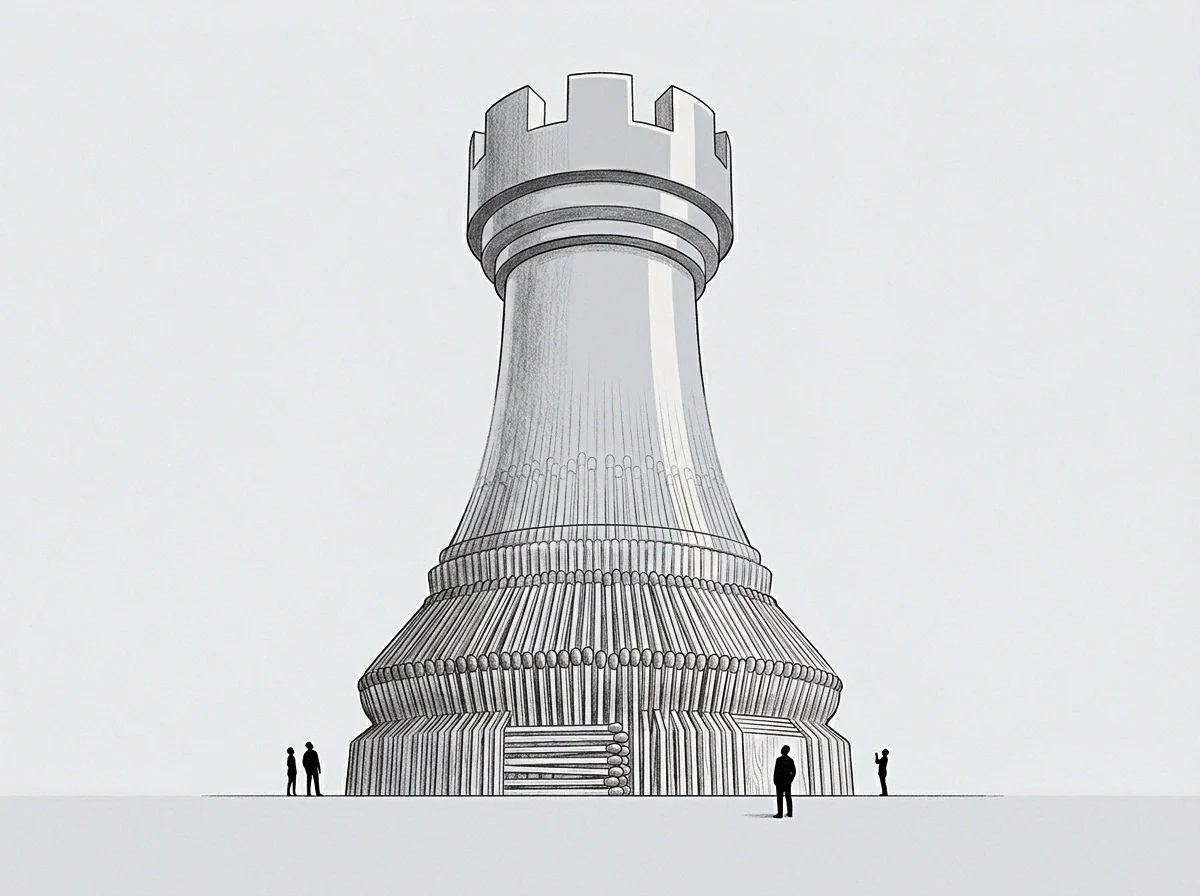
Enterprise scope creep expands through administrative drag; retainer volatility bands protect margins by automatically converting ordinal capacity loss into cardinal pricing tiers.
The terms are written where they belong. Each field holds three desks, and every entry a desk writes raises the terms it uses, each term given a meaning, a mechanism and the places it appears. The record on these pages stays first person and hand made; the fields grow the nomenclature.