

Measuring Operational Feedback Loops Against External Industry Benchmark Data Sets
Operational feedback loops calibrated against external benchmarks measure system convergence toward market realities rather than internal self-validation.
Operational feedback loops calibrated against external benchmarks measure system convergence toward market realities rather than internal self-validation.

Evaluating market reference sets during prolonged latency requires indexing historical baselines to external shifts that occurred throughout execution.

Calculates deviation between static thermal models and operational plant cooling lag by mapping empirical temperature paths against invariant reference projections.

Dynamic throughput degradation is measured by comparing isolated, unstarved kinematic cycle durations against baseline factory commissioning telemetry.
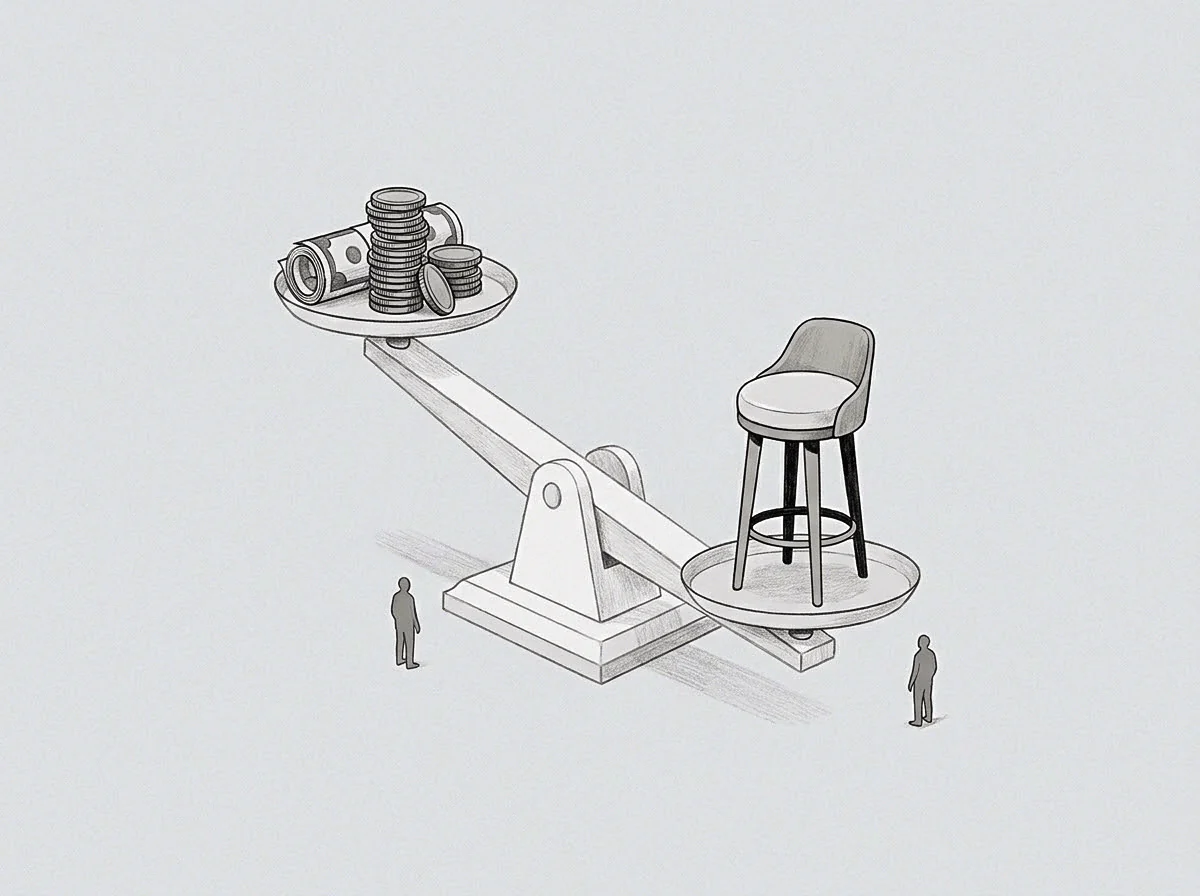
Establishing baseline operational telemetry extracts raw physical signals to verify mechanical asset health independently of legacy maintenance records.

Structural capital variance signals in unbuilt facilities are quantified by tracking live material adjustments forced by thermal and hydraulic drag iterations against a baseline.

Equipment cost baselines calibrated against operational logs replace vendor nameplate hours with empirical wear vectors derived from real plant dispatch windows.

Steady-state mass conservation balances establish unit operation counts, sizing limits, and piping deliverables, translating physical throughput directly into engineering hours.

Invariant cached responses mask substrate degradation by severing edge metrics from origin compute health, hiding deep system drift until cache eviction.

Dynamic environmental stress forces parameterized systems to diverge when execution latency exceeds the update frequency of internal recalibration loops.
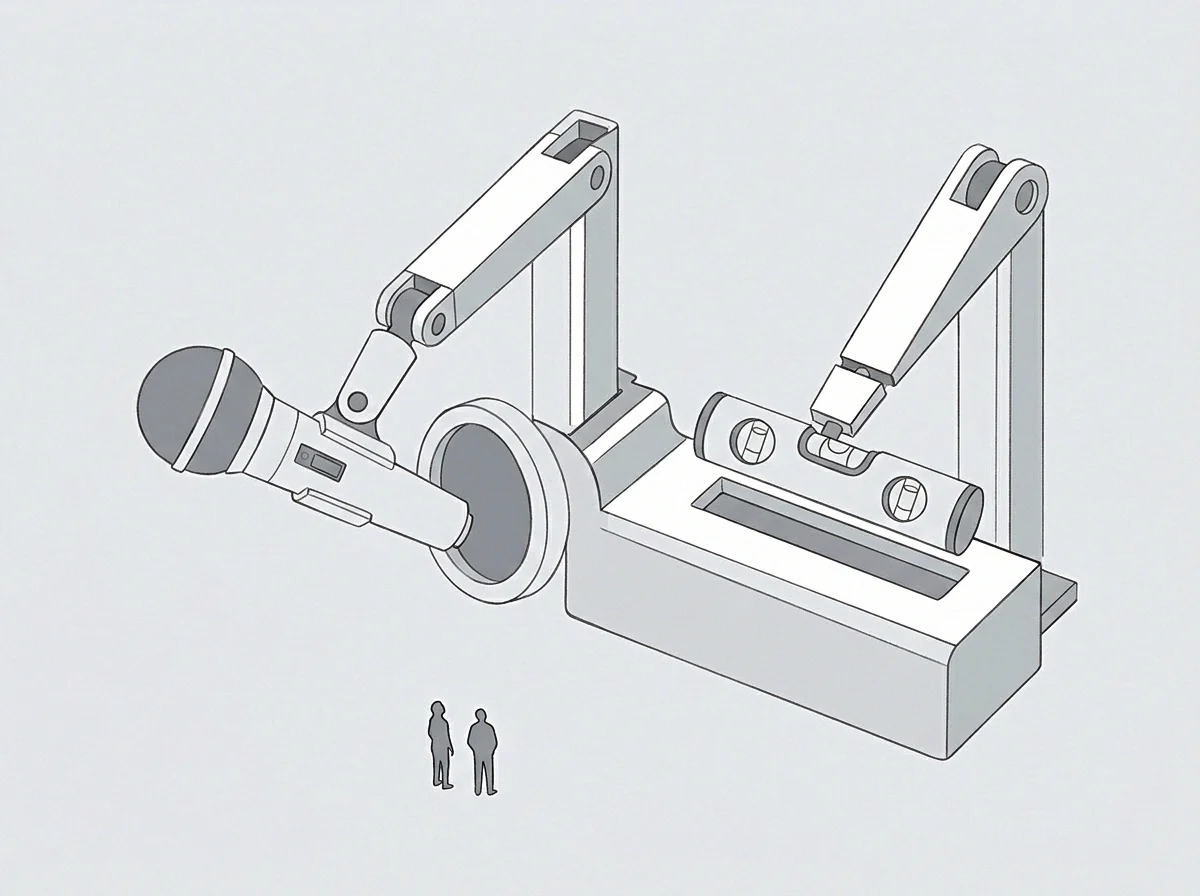
High velocity verification isolates operational drift by evaluating live computations against calibrated baselines within tight latency windows.

Dynamic baselines decouple process shifts from sensor drift by reconciling telemetry against cross-channel conservation laws and multi-rate state estimators.

Decoupling operational mode changes from sensor drift isolates orthogonal residuals and conserved physical balances against multivariate telemetry baselines.
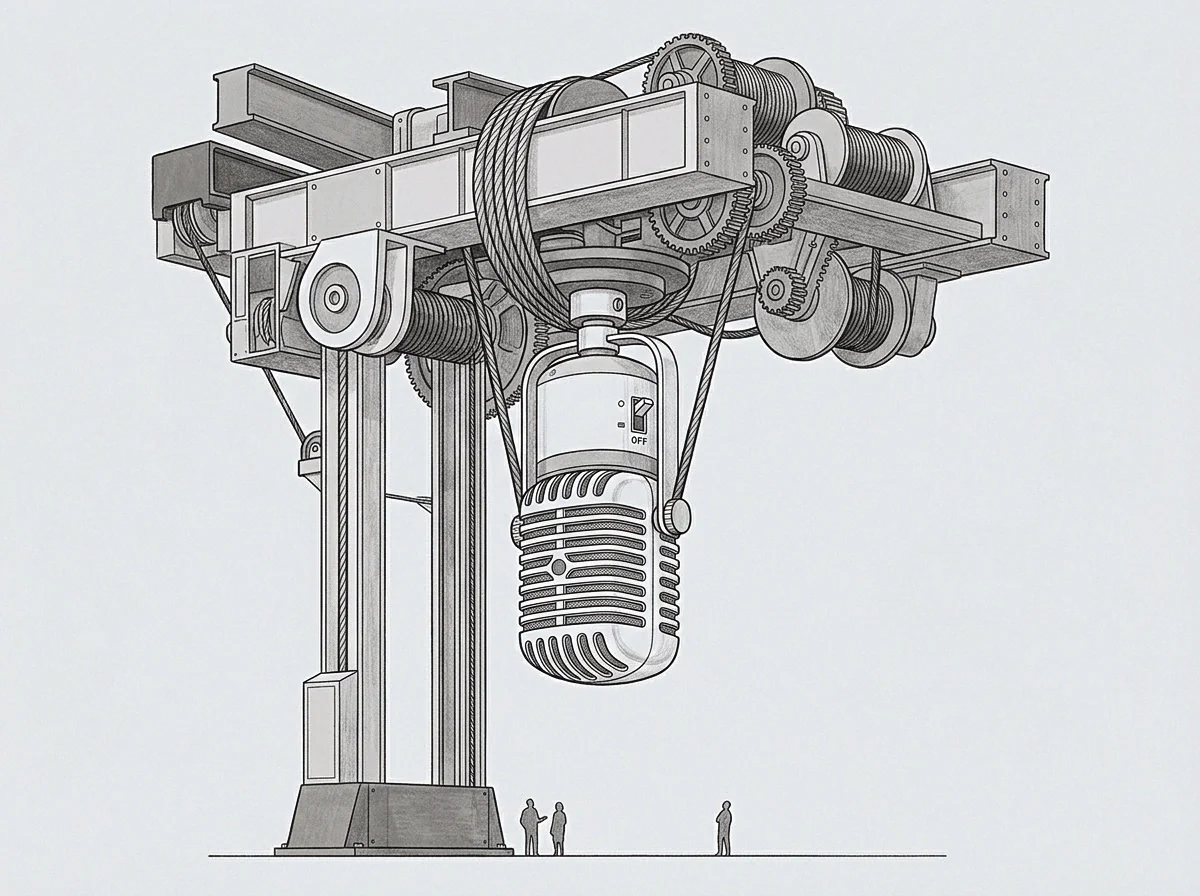
Telemetry calibration windows balance sensor drift rates against verification costs by sampling reference standards before variance compromises process controls.
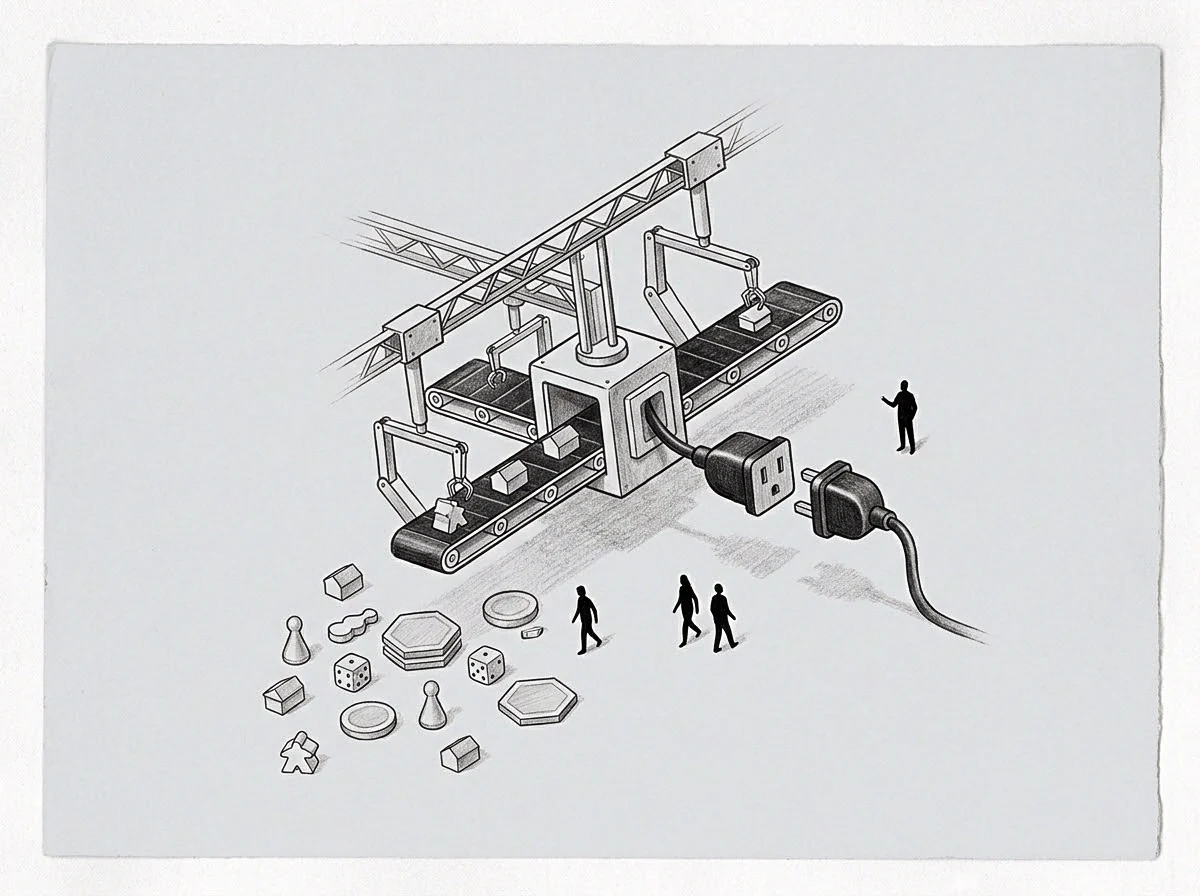
Authority friction resolves through dual-key architectures that bind temporary human overrides to immutable secondary safety boundaries and time windows.

Dynamic boundary algorithms re-estimate statistical parameters in continuous sliding windows to detect anomalies when high-frequency data invalidates baselines.

Field telemetry signals reset operational priors through systematic sampling of terminal metrics that expose physical infrastructure limits.

Strategic action maintains telemetry validity by deploying parallel holdout streams that preserve unconfounded baselines during rapid feature iterations.

Statistical isolation of telemetry baseline shifts uses sequential probability ratios and residual tracking to separate step changes from transient noise.

Operational progress registers only when an observed performance delta exceeds the historical variance envelope of an undisturbed system over multiple cycles.

Optimal stopping under resource depletion balances marginal information value against baseline decay to halt tests before artifact variance exceeds true delta.

Decoupled collection rates contract the harmonic mean of sample sizes, expanding the minimum detectable delta by inflating the standard error of the difference.

Dynamic telemetry sampling distorts moving baseline signals by selectively dropping rare tail events, requiring probability-weighted reconstruction for accuracy.

Signal resolution collapses when feedback latency exceeds decision cadence, trapping optimization loops in environmental noise and invalid surrogates.

Distinguishing stochastic noise from metric shifts requires comparing early experiment variance against historical baselines using sequential testing methods.

A bounded sampling period measures authentic baseline delta only when the observation window spans complete operational cycles against a fixed bedrock datum.

Strategic realignment reaches its boundary window when daily operational variance exceeds the expected delta of the underlying structural transition.

True operational vector movement is isolated from ambient noise by tracking irreversible baseline deltas across fixed multi-cycle observation windows.

Operational baselines establish unobserved performance distributions across full operating cycles to prevent natural variance from masquerading as strategic change.

Feedback delays in regulatory capital cycles attenuate error signals, turning corrective adjustments into destabilizing structural noise.
The terms are written where they belong. Each field holds three desks, and every entry a desk writes raises the terms it uses, each term given a meaning, a mechanism and the places it appears. The record on these pages stays first person and hand made; the fields grow the nomenclature.