Meaning
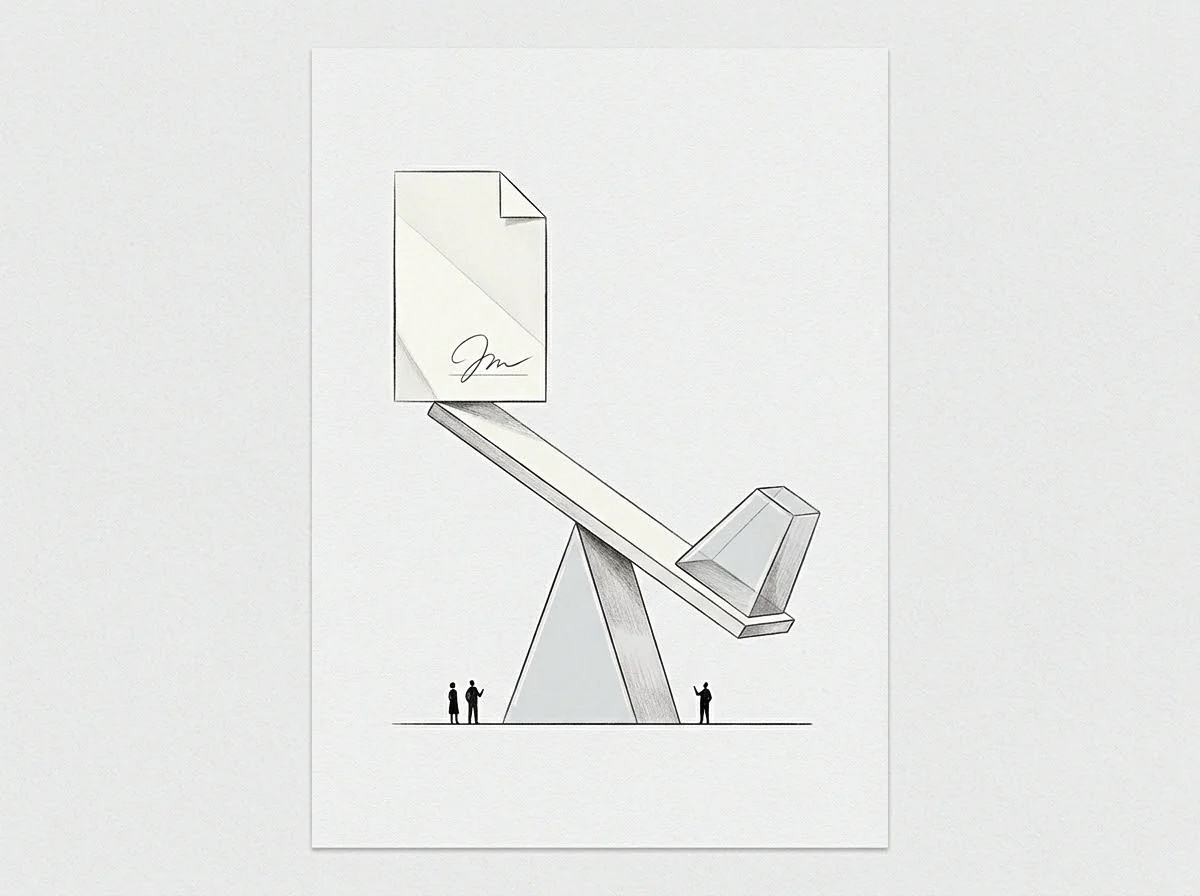
Maximum output volume per unit time belongs to the operational scale as an ordinal measure of throughput limits. Operational capacity measures the absolute ceiling of units processed before resource degradation occurs under peak load. Founders track this ceiling to establish the exact point where fixed overhead shifts into variable bottlenecks.
Physical constraints and labor hours bound this metric, stopping its application at theoretical output where quality collapses.
Throughput Ceiling
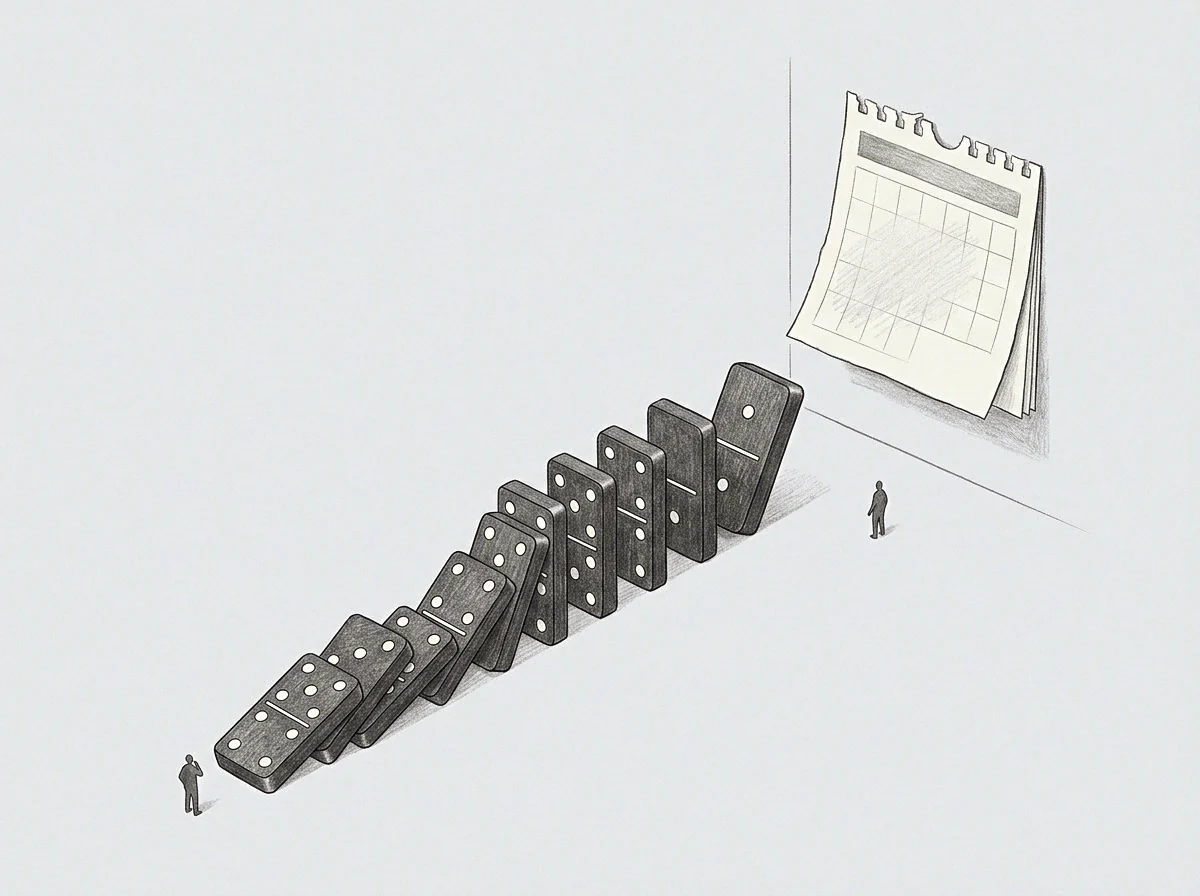
Operational constraints define the boundary where output stalls despite added capital injection. Machine cycles and operator fatigue restrict maximum throughput long before demand curves flatten. Bottleneck identification reveals the narrowest passage in any operating model, dictating total system output regardless of upstream acceleration.
Surrounding workstations idle while waiting for the constrained step to clear, turning potential speed into accumulated waste.
Resource Saturation
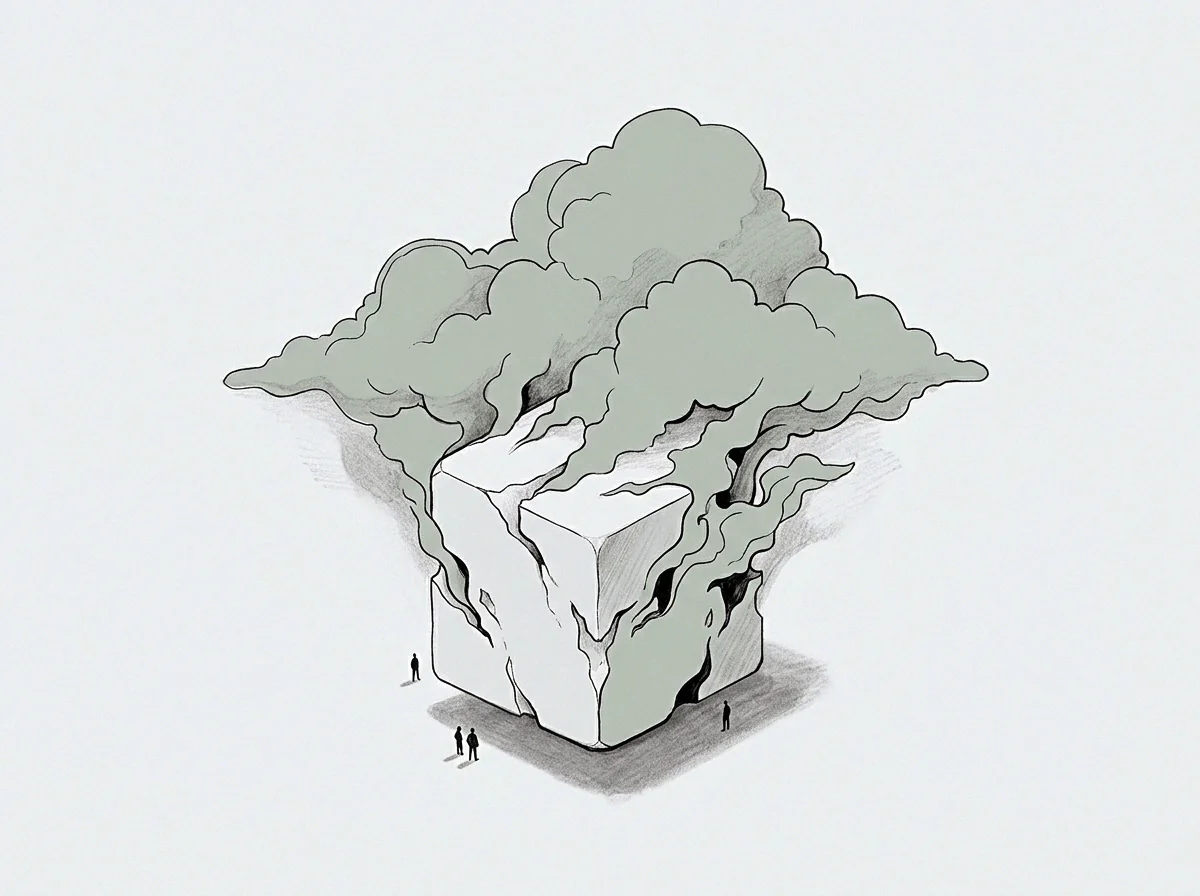
Utilization ratios rise continuously until every available minute of human and mechanical attention is claimed. Peak absorption leaves zero margin for error, meaning unexpected machine downtime or employee absence immediately degrades final output. Maintenance windows disappear under scheduling pressure, accelerating equipment wear and premature failure rates.
Reserves vanish entirely at saturation, trading long term reliability for short term volume gains.
Capacity Allocation
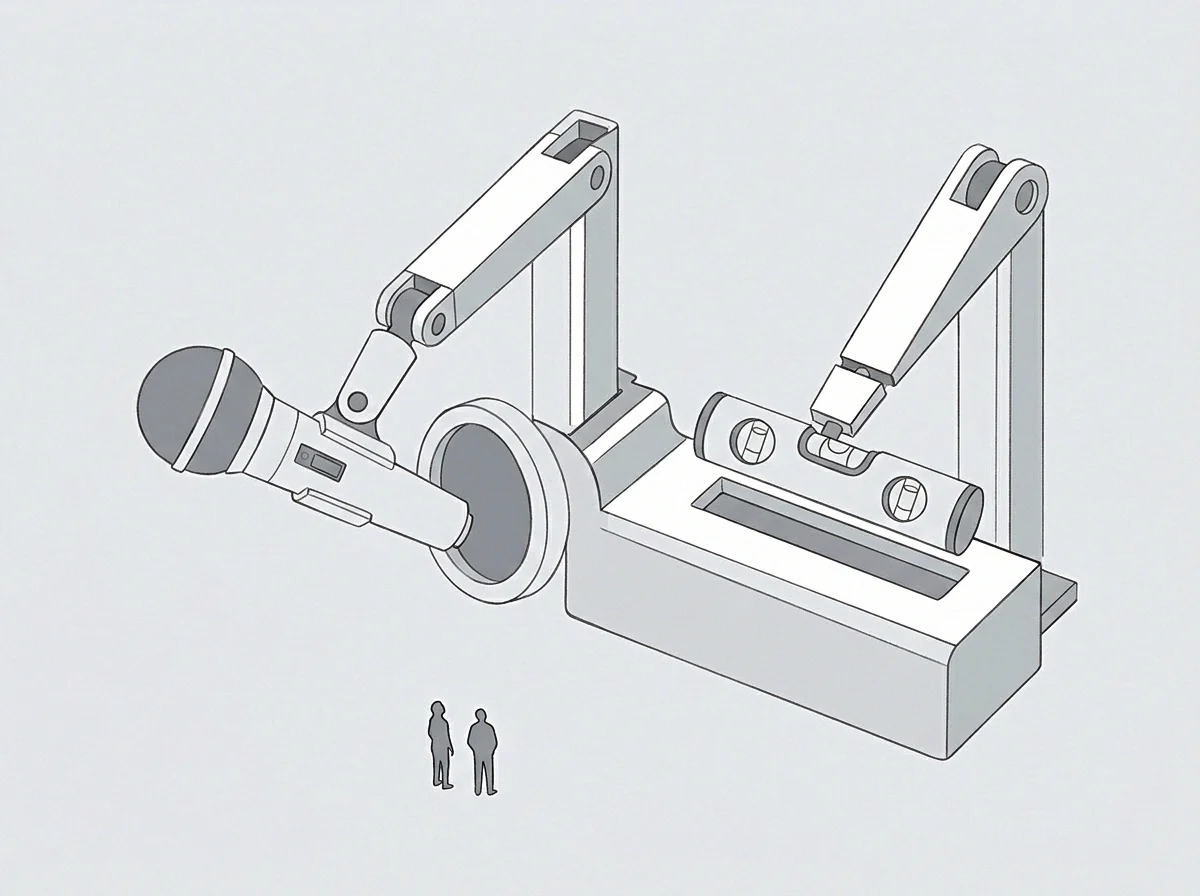
Capital investments shift toward bottleneck relief only when output measurements prove the physical ceiling is absolute. Strategic reallocation moves resources away from elastic subprocesses and pours them directly into the restricting node. Throughput rises strictly in proportion to the capacity added at that exact choke point, leaving unconstrained nodes unaffected by the intervention.
System output tracks the dimensions of the narrowest constraint without regard for how wide the rest of the operational pipe remains.