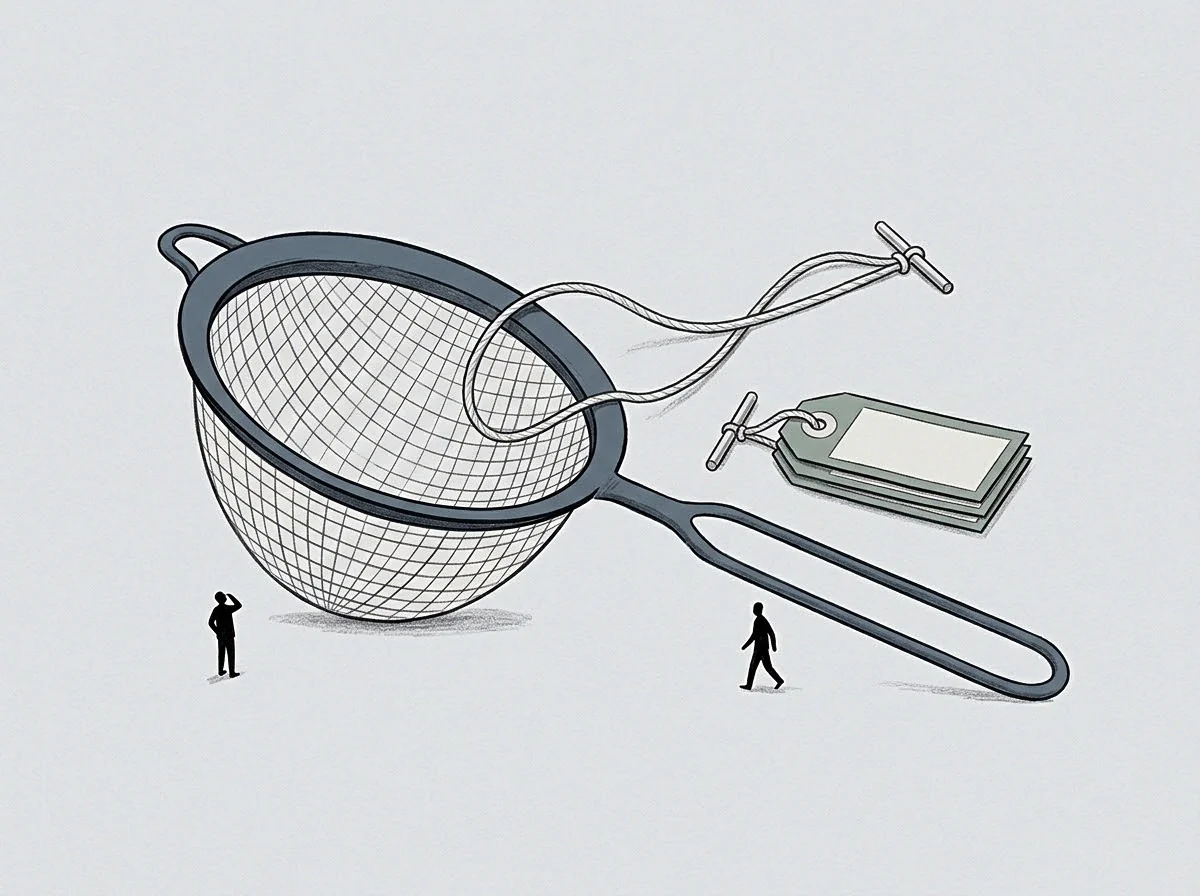
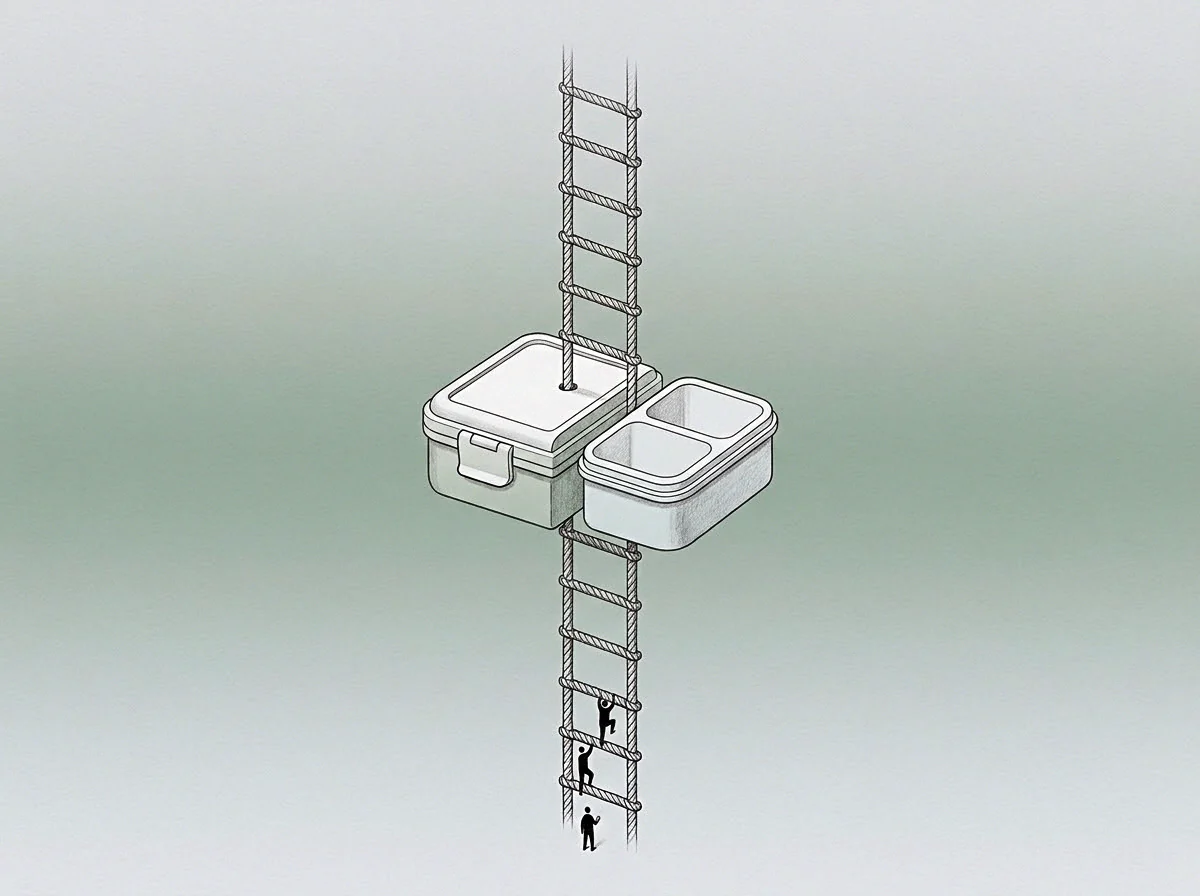
Cost is a vector, never one number: hours, money, capability, capacity, attention, each with its own magnitude. Cost is ordinal and price is cardinal, and only cost survives being said to another person. Stating cost while it arrives is what keeps a choice conscious.
Fixed fee delivery conceals internal strain by converting distinct expenditures of labor, attention, and technical capacity into a single monetary figure.
Dynamic pass-through clauses transfer verified non-labor input changes to multi-year enterprise invoices using mathematical formulas and explicit deadbands.
Rigid cardinal price adjustments fail to capture multi-dimensional ordinal cost escalations, forcing teams to silently subsidize fixed contracts with burnout.
Fixed pricing preserves operational margins only when direct labor hours are strictly capped against milestone deliverables through objective acceptance criteria.
Translating ordinal operational priorities into cardinal prices under capacity strain requires steepening conversion gradients to match internal task drag.
Converting internal operating strain into external contract rates maps unbudgeted capacity and attention deficits into cardinal fees and volatility surcharges.
Executive attention orders tasks ordinally by immediate urgency while capital extensions price assets cardinally using forgone enterprise opportunities.
Financial burn limits dictate enterprise survival timelines while operational priorities govern the sequential execution of dependencies within that window.
Evaluating capability prior to cash exhaustion requires tracking ordinal operational competence gains rather than cardinal user counts or calendar runway alone.
Involuntary liquidation occurs when mandatory cash obligations mature faster than operational competence can convert finished work into cleared legal tender.
Structural durability manifests when operational routines execute independently of cardinal reserves through non-monetary commitments and unpriced labor vectors.
Converting direct expenditures to client invoices without adding internal labor capacity multipliers systematically drains organizational capability at zero price.
Decomposing operational spending isolates monetary price, human hours, attention, and capacity from cardinal financial totals into an ordinal resource vector.
Decomposing capital outlays into internal engineering hours maps cardinal financial expenditures into ordinal labor vectors to reveal true maintenance burdens.
Six fields, each writing its own terms
The terms are written where they belong. Each field holds three desks, and every entry a desk writes raises the terms it uses, each term given a meaning, a mechanism and the places it appears. The record on these pages stays first person and hand made; the fields grow the nomenclature.