

Transient Queue Saturation Metrics In High Throughput Ingress Systems
Queue saturation reflects the positive derivative of fill volume against drain capability across microsecond windows rather than static capacity exhaustion.
Queue saturation reflects the positive derivative of fill volume against drain capability across microsecond windows rather than static capacity exhaustion.
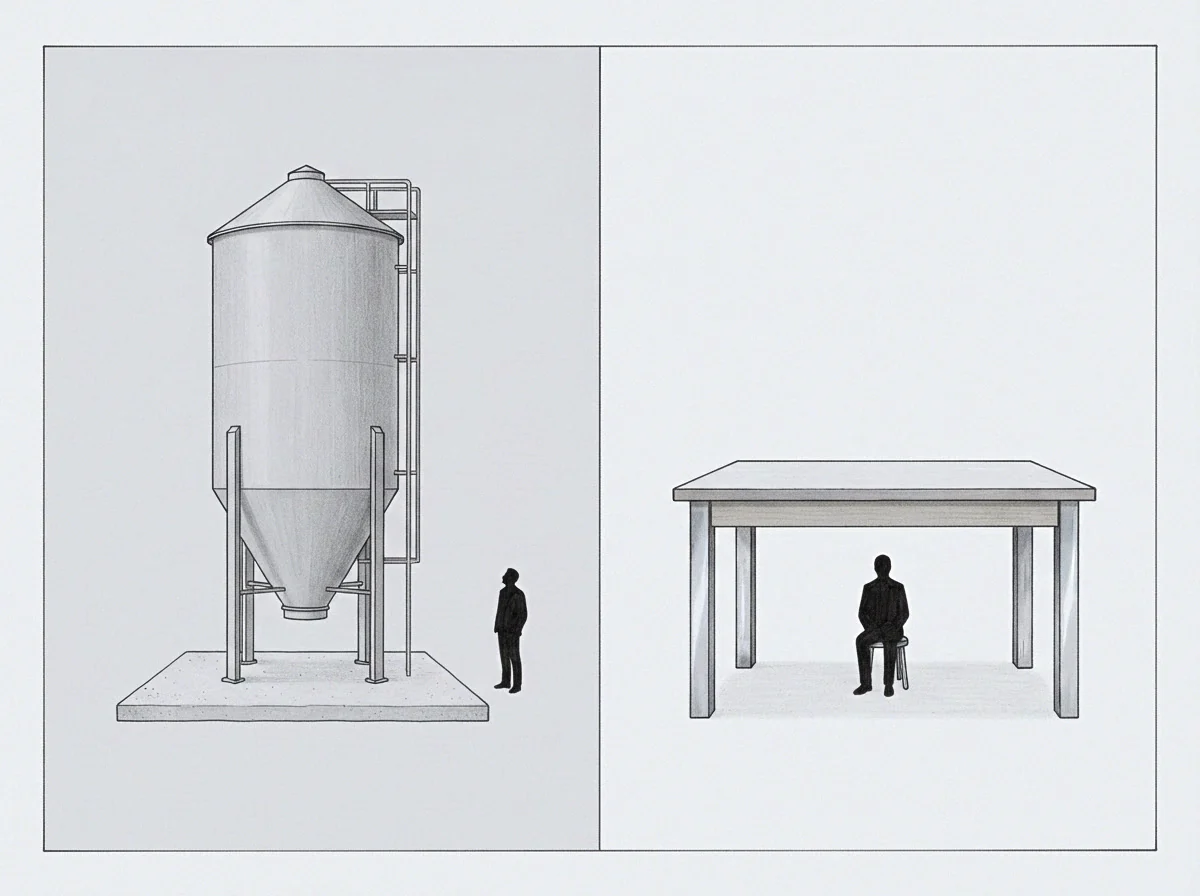
Structural capital decays across multi-tiered boundaries when administrative access friction exceeds the market cost of external operational workarounds.

Liquidity allocation during fixed capacity inflections requires pre-funding step-cost outlays while isolating working capital buffers from operational friction.

Dynamic capital buffer calculation scales reserves non-linearly with cross-border settlement delay duration by compounding replacement volatility and haircut factors.

Transfer delays produce technical defaults when outbound cash spikes drain operating accounts faster than yield repositories can liquidate and settle capital.

Internal cash friction forces emergency asset liquidations when settlement delays and trapped balances compress liquidity below operational debt obligations.

Dynamic internal transfer pricing and guaranteed drawing rights resolve divisional capital hoarding during sustained monetary contraction regimes.

Dynamic hurdle rate transmission models balance sheet cash depletion by scaling project discount rates to match the non-linear shadow cost of corporate liquidity.

Transfer price latency measures elapsed days between external market price changes and internal ledger updates across business divisions.

Nonlinear haircut expansions trap sovereign collateral behind secondary clearing boundaries, turning unencumbered paper into unpledged balance-sheet stasis.

Hurdle gradient spikes measure the instantaneous rate of change in required returns during capital restructuring windows.

Benchmark capital shifts in treasury allocations are measured by tracking the yield spread between operational transaction cash and unconstrained market rates.
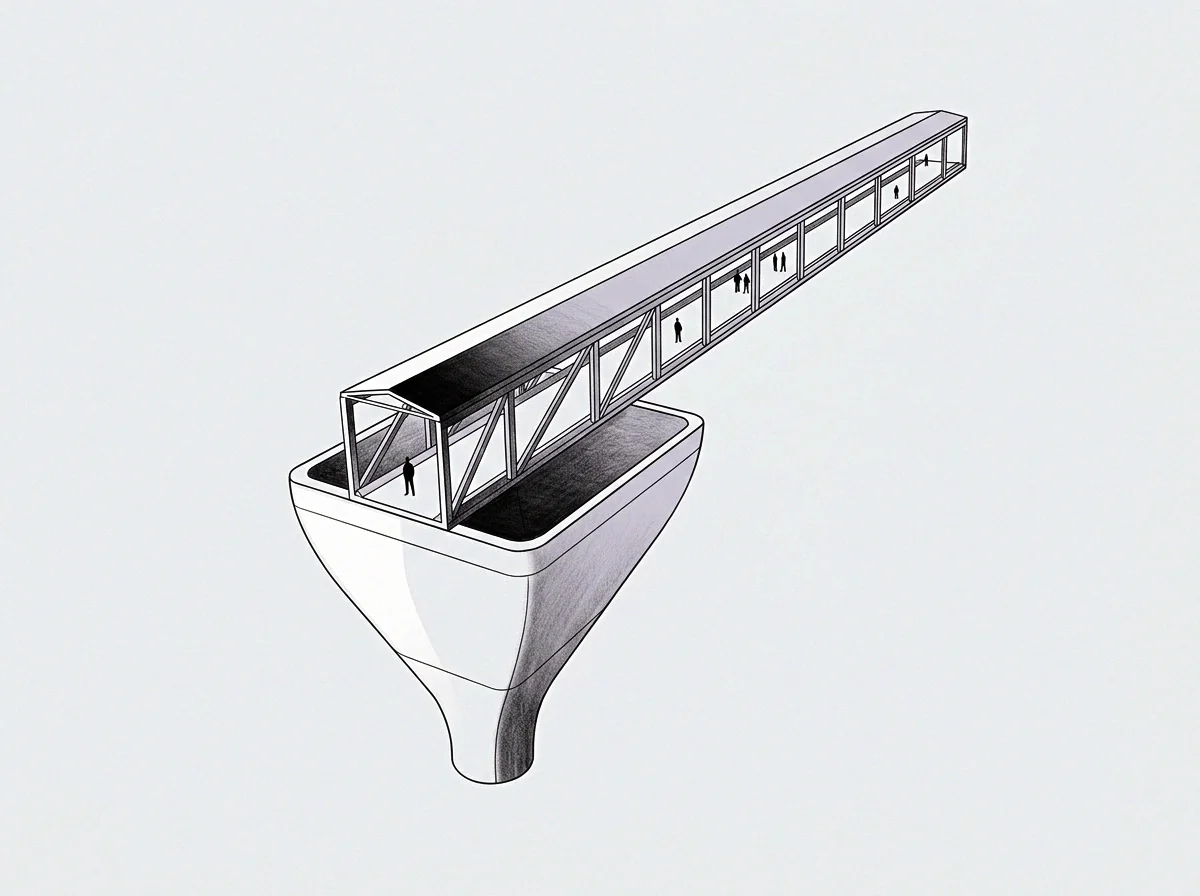
Non-linear downstream headroom collapse occurs when concurrent upstream queues clear simultaneously, triggering multiplicative contention that destroys processing throughput.

Dynamic backpressure propagates downstream execution limits upstream through buffer saturation, collapsing tail latency headroom and converting excess load into rejected requests.

Queue overload converts reserve capacity into coordination friction, collapsing realized throughput as arrival rates exceed processing thresholds.

Dynamic buffer depletion modeling tracks net consumption rate gradients against ingress velocity to prevent memory exhaustion in multi-tenant message pipelines.

Volumetric depletion rates track storage drain velocity as variable consumer batch ingestion alters linear queues into erratic step functions.

Memory boundary calculation sets the physical queue limit by combining serialized payload size, runtime metadata wrappers, and arrival-drain differentials.
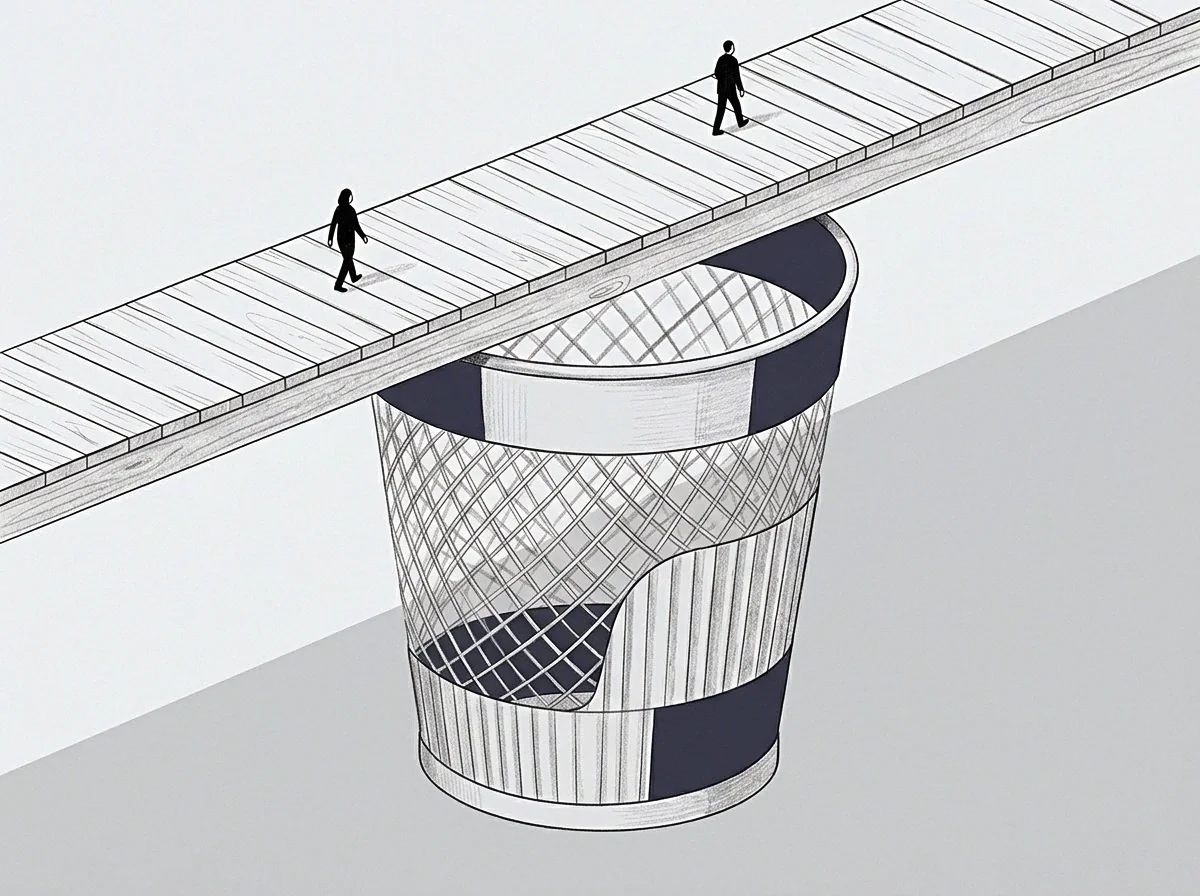
Active queue management purges stale payloads at the buffer head and propagates backpressure upstream to prevent heavy tail bursts from exhausting fixed relay memory.

Managing unused channel capacity balances continuous capital expenditure against tail latency protection during abrupt, heavy-tailed data volume spikes.

Static headroom calculation establishes fixed preallocated memory boundaries to prevent packet drop during volatile network relay spikes without allocation pauses.

Unspent enterprise potential is the volume integral of mirrored value gradients trapped where internal coordination friction halts operational execution.

Structural friction vectors measure directional drag across enterprise handoffs where misaligned data structures and divided authority force repeated rework.

Enterprise capacity baselines are determined by measuring the velocity and absorption rate of internal capital throughput across operational conduits.

Reconciling capital allocations requires mapping ordinal organizational resistance as structural terrain constraints against cardinal liquidity boundaries.

Computing directional gradient vectors derives continuous rates of value variance across multi-dimensional surfaces to guide movement beyond flat quadrants.

Resource reallocation slope measures capital transfer velocity across enterprise units by mapping operational friction against marginal divisional yield.

Dynamic rate adjustment at the zero boundary decouples control velocity from cardinal output, scaling step size against latent state gradients under decay.

Dynamic rate allocation adjusts capital disbursement velocity using the derivative of the expenditure slope to prevent acceleration-driven liquidity drag.

Dynamic capital deployment pacing matches tranche velocity to asset relaxation rates, preventing irreversible yield decay along continuous diminishing return curves.
The terms are written where they belong. Each field holds three desks, and every entry a desk writes raises the terms it uses, each term given a meaning, a mechanism and the places it appears. The record on these pages stays first person and hand made; the fields grow the nomenclature.