

Measuring Operational State Space Reduction During Sustained Execution Stress
Sustained execution stress forces operational systems into low-energy default states, contracting reachable execution options to local historical paths.

Sustained execution stress forces operational systems into low-energy default states, contracting reachable execution options to local historical paths.

System drift variance compounds when coupled vector deltas treat reciprocal internal corrections as fresh exogenous inputs across uncalibrated baselines.

Central setpoint adjustments in asynchronous environments produce phase lag when target update frequencies exceed peripheral relaxation rates.

State vector angle differences require dynamic latency window alignment across asynchronous dimensional coordinate streams to eliminate temporal phase distortion
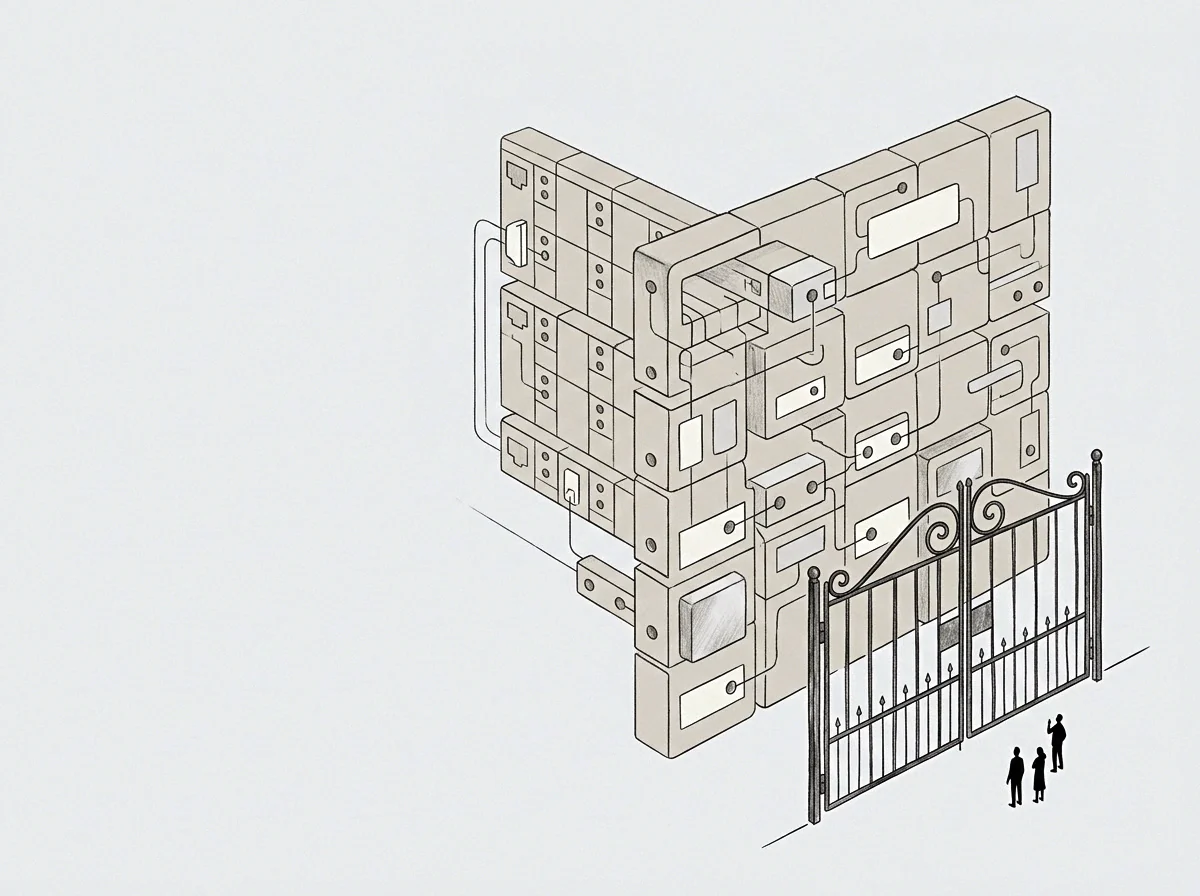
Organizational realignment is evaluated by computing directional vector divergence and scalar projections across resource axes to measure actual operational movement.
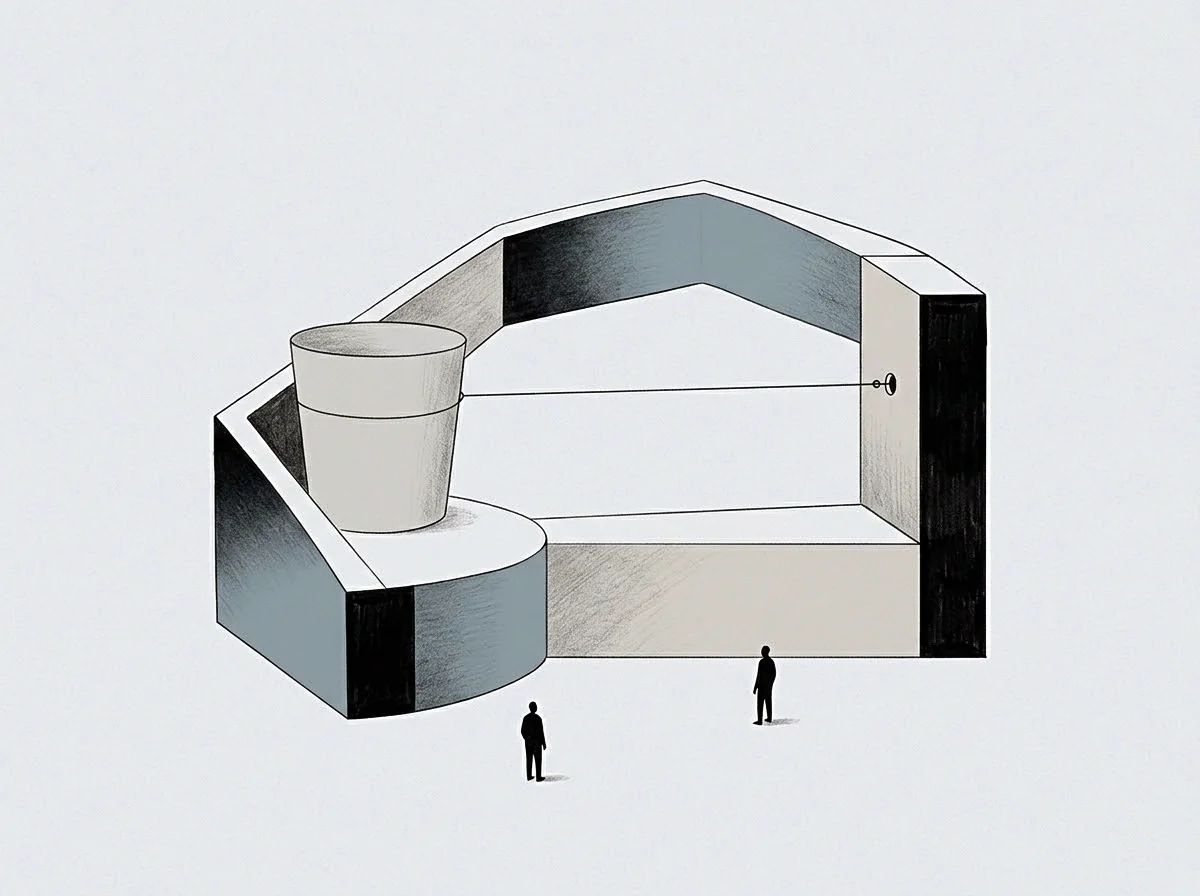
Peripheral execution drift quantifies the spatial vector divergence between central executive directives and local resource allocation along local least resistance.

Operational latency during infrastructure refactoring acts as an ordinal vector where temporary translation adapters and dual-writes degrade system throughput long before storage bounds fail.

Scalar operational noise represents transient localized metric variance, whereas vector baseline movement defines sustained multi-dimensional directional drift across extended observation windows.

Structural operational velocity drops when high frequency task cycles produce local optimization noise that slow strategic review loops misinterpret as real directional progress.
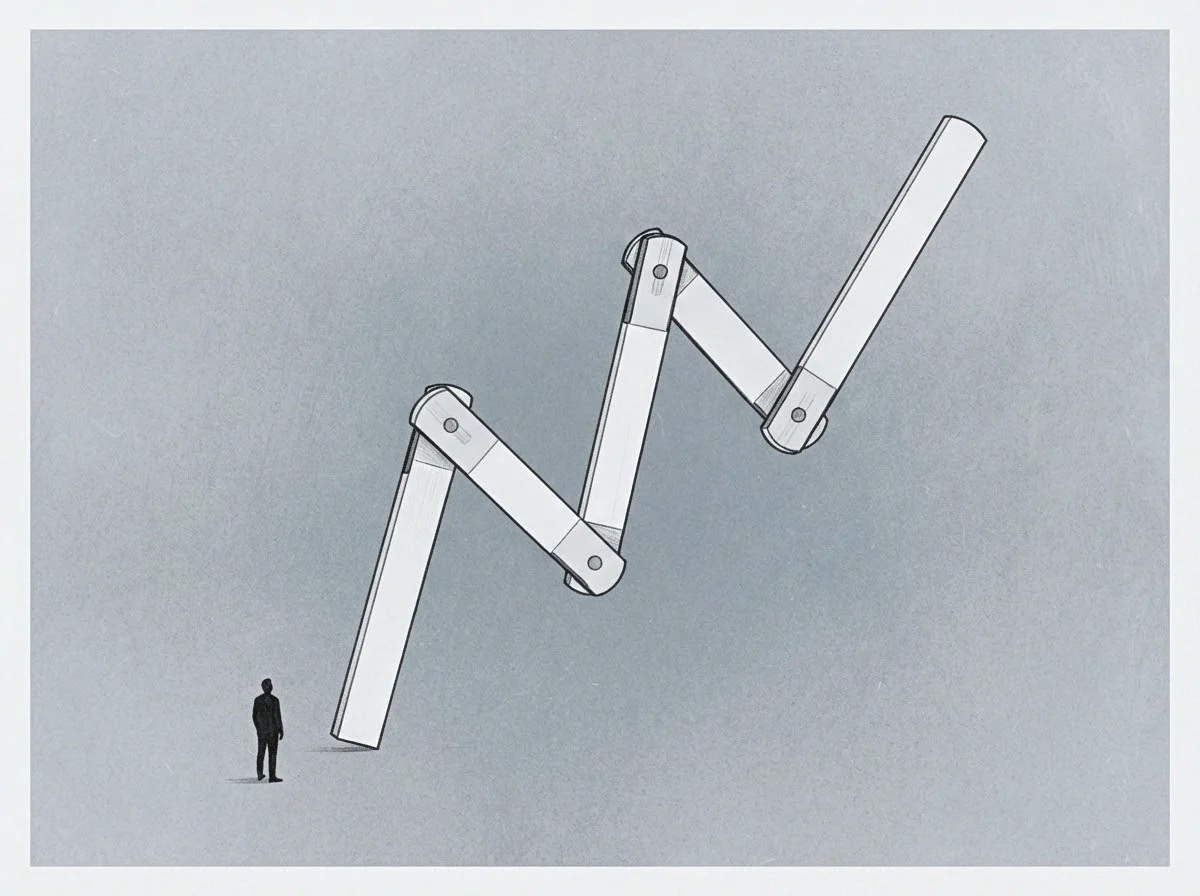
Arbitration separates internal operational execution from external market movement by algorithmically adjusting baselines only when exogenous indices breach pre-set control limits.

Balancing incident response speed against structural resilience balances rapid containment velocity against the long term capacity of core system architecture.
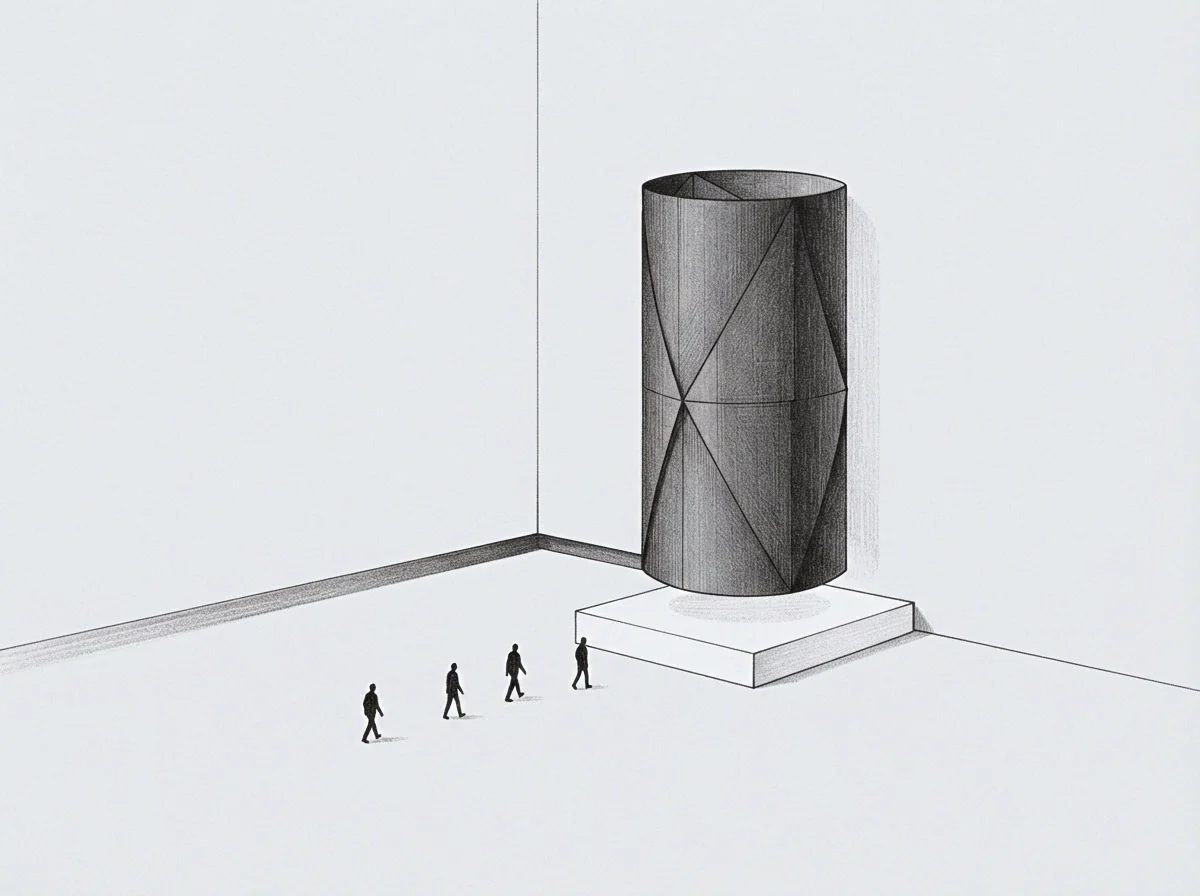
Sliding observation windows attenuate variance during workload shifts, producing phantom baselines that delay automated failure responses.

Signal decay across management buffer layers occurs through systematic entropy reduction, metric quantization, and threshold filtering across supervisory boundaries.

Balancing interruption shielding against operator atrophy requires setting rotation cadences where context reentry costs equal mental model decay penalties.

Capacity degradation rates in unshielded workflows measure throughput loss caused by context switching, interrupt friction, and unbuffered task queues.

Interruption converts continuous cognitive execution into fragmented ordinal cost vectors that systematically degrade engineering output through working memory reconstruction latency.
Reconstructing attention vectors requires isolating technical capacity behind hard operational bounds when systemic friction exceeds baseline throughput.
Attention vector telemetry isolates engineering bottlenecks by measuring focus continuity and queue delays rather than nominal ticket throughput.
Engineering attention distribution measures ordinal cognitive effort across projects through passive telemetry to reveal hidden context switching overhead.
Enforcing contractual exit floors prevents margin compression when external spend caps freeze top-line revenue while internal operational costs expand.
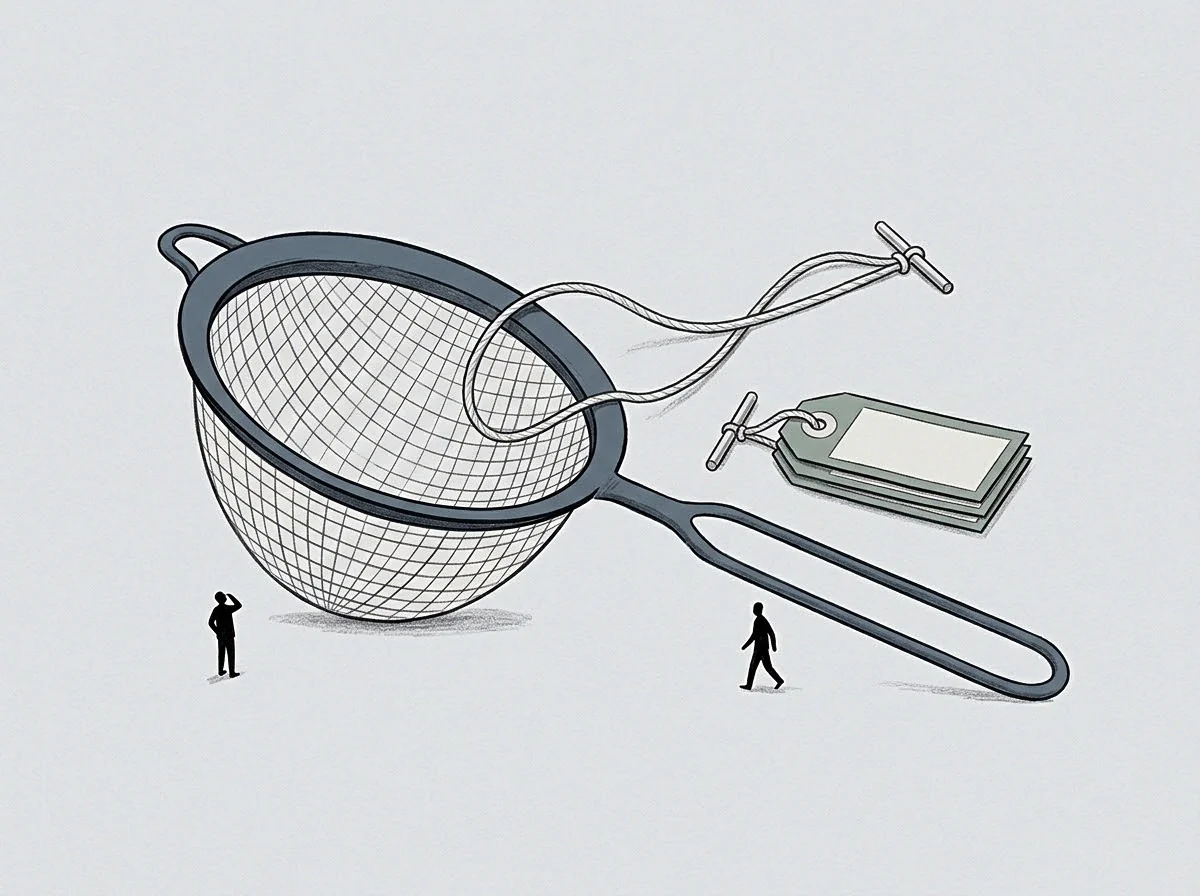
When unrecoverable team capacity reaches ceiling on fixed price accounts, teams convert ordinal effort constraints into structural scope caps or revised pricing terms.
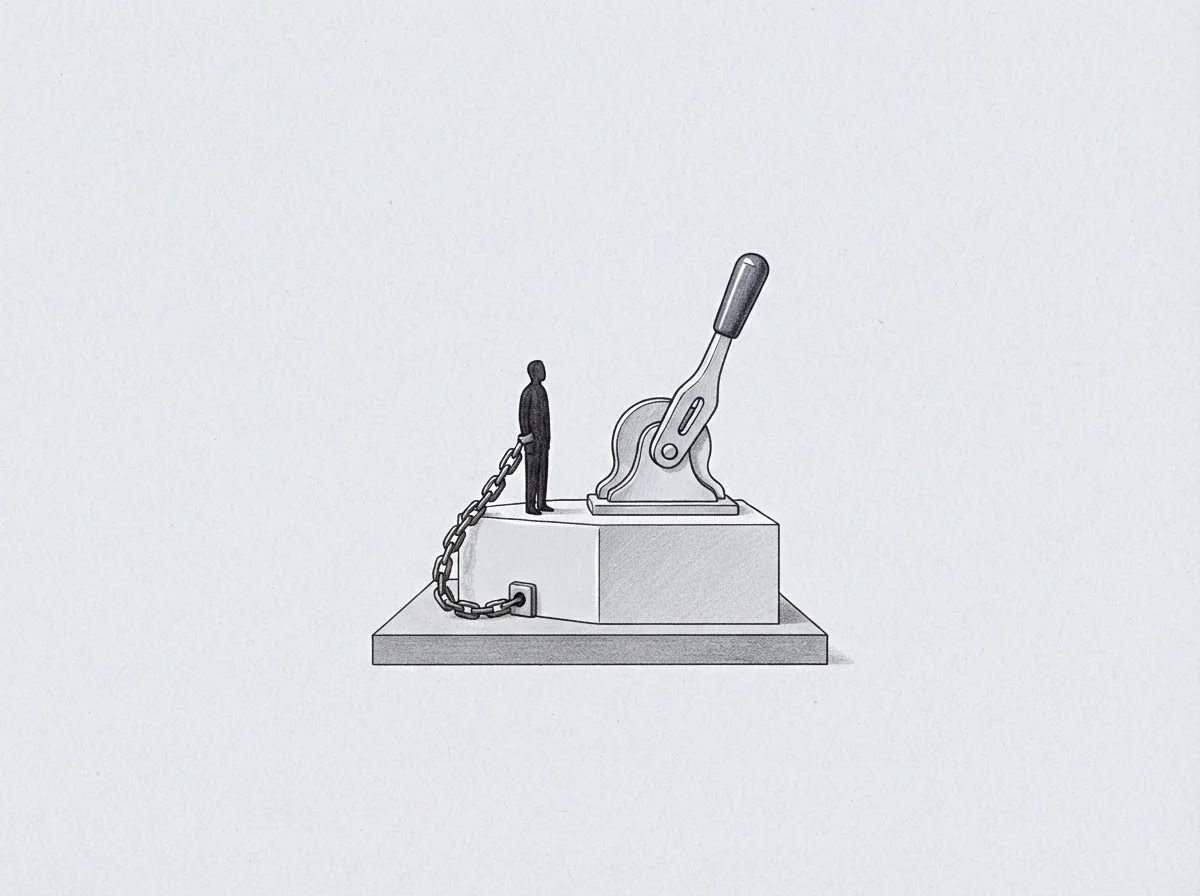
Decoupling frozen reference anchors from rapid rolling aggregation windows isolates live deployment deltas and prevents incremental performance decay.

Operational alignment vectors across organizational reporting layers require shared baselines to prevent localized metrics from canceling systemic momentum.
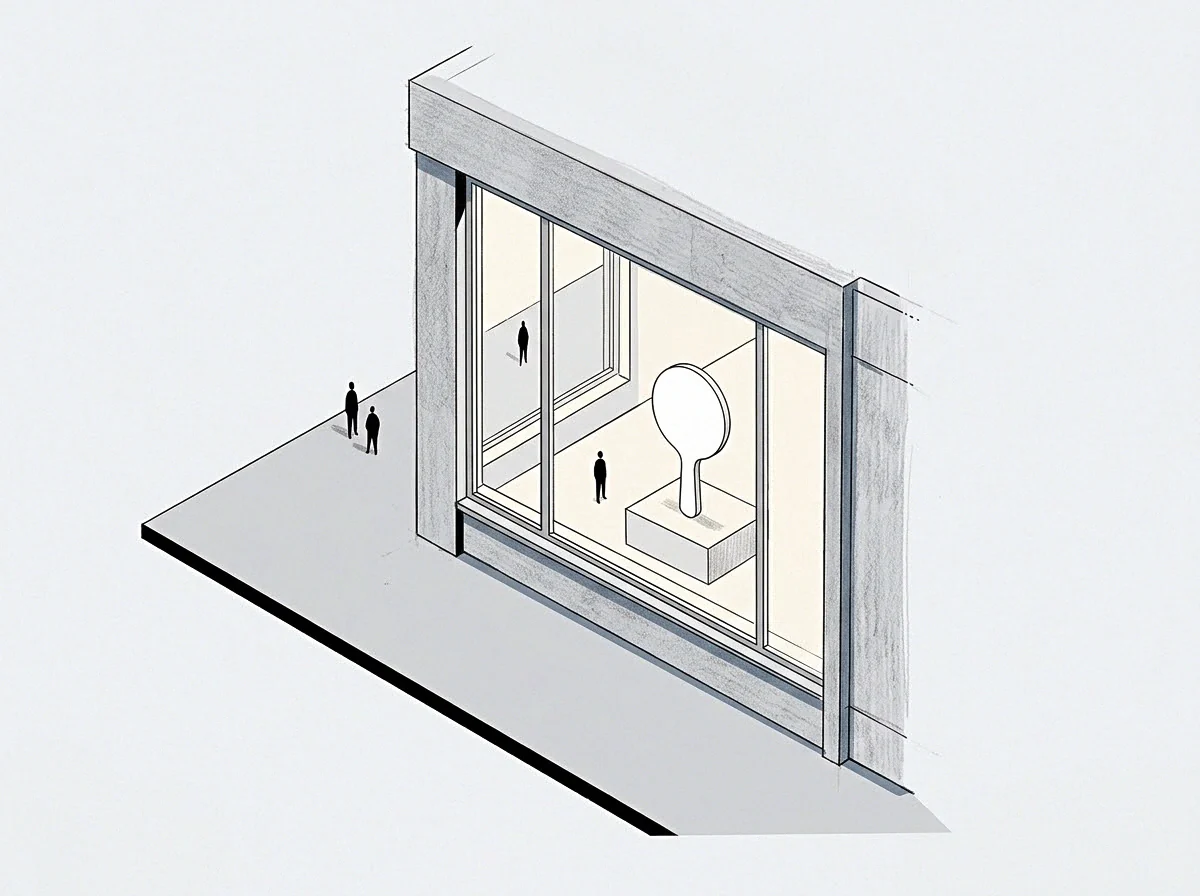
Tracking internal hours against fixed contracts computes effective hourly yield, exposing margin compression caused by unbilled scope expansion.

Vector cost drift breaks fixed commercial commitments when ordinal operational strain expands invisibly against static cardinal retainer pricing structures.
The terms are written where they belong. Each field holds three desks, and every entry a desk writes raises the terms it uses, each term given a meaning, a mechanism and the places it appears. The record on these pages stays first person and hand made; the fields grow the nomenclature.