

Calculating Operational Variance Using Measured Parameter Baselines
Operational variance is calculated by scaling the difference between real-time parameter vectors and established nominal baselines using covariance metrics.

Operational variance is calculated by scaling the difference between real-time parameter vectors and established nominal baselines using covariance metrics.

Converting internal capacity cost vectors into contract terms requires translating internal ordinal friction into cardinal legal boundaries and explicit overage triggers.

Incremental return rates collapse when cross-segment coordination queues expand faster than revenue, demanding structural decoupling of shared units to restore velocity.

When historical cross-border metrics decay, ordinal performance vectors establish relative directional movement by rank ordering live localized signals.

Capital efficiency slopes calculate the marginal derivative of revenue relative to growth investment outlays across distinct enterprise channels.

Marginal return rate measures net change in enterprise return gradient generated by the final unit of deployed incremental capital.

A client retainer contract converts multi-attribute operational costs into fixed cardinal prices only when bounded by explicit intake gates and queue limits.

Dynamic state changes exceeding baseline allocations push execution boundaries inward, creating measurable drift along the resource consumption vector.

Operational movement across regional compliance regimes is measured by tracking deployment velocity and engineering friction against recorded baseline metrics.

Converting governance delay metrics into cardinal fee adjustments compensates operating parties when client approval freezes immobilize dedicated technical capacity.
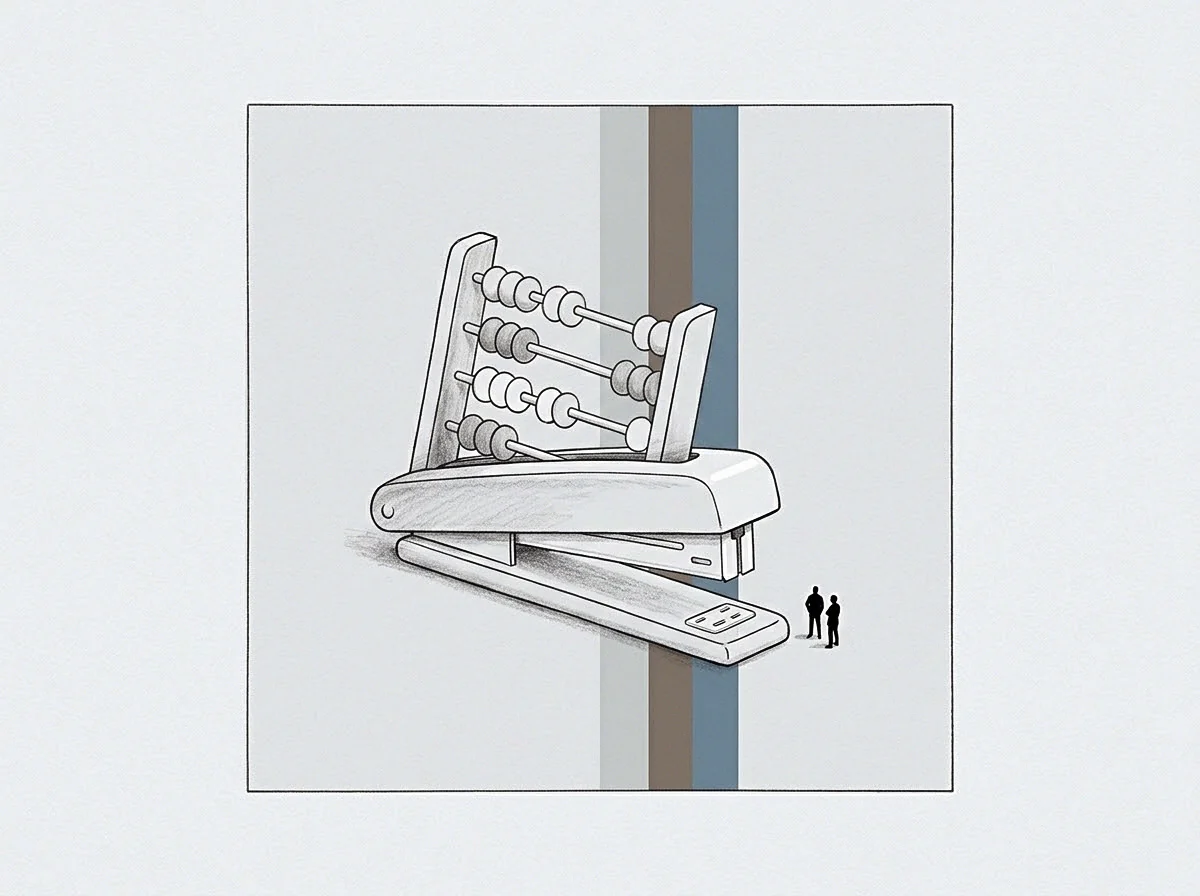
Unbilled review delays in multiyear corporate contracts absorb reserved capacity, shifting delivery assumptions and reducing realized margins over time.

Retainer escalation triggers enforce automatic fee expirations or project rescheduling the moment enterprise client review delays exceed contractual limits.

Covariate shift detection bounds expand predictably under long conversion lag, requiring density ratio variance scaling to prevent false positive retraining alerts.

Unstipulated counterparty escalation loops degrade internal execution capacity by redirecting senior technical attention into unpriced governance interventions.

Direct density ratio estimation across sparse data streams requires temperature scaled score mapping and adaptive kernel widths to prevent unbounded variance.
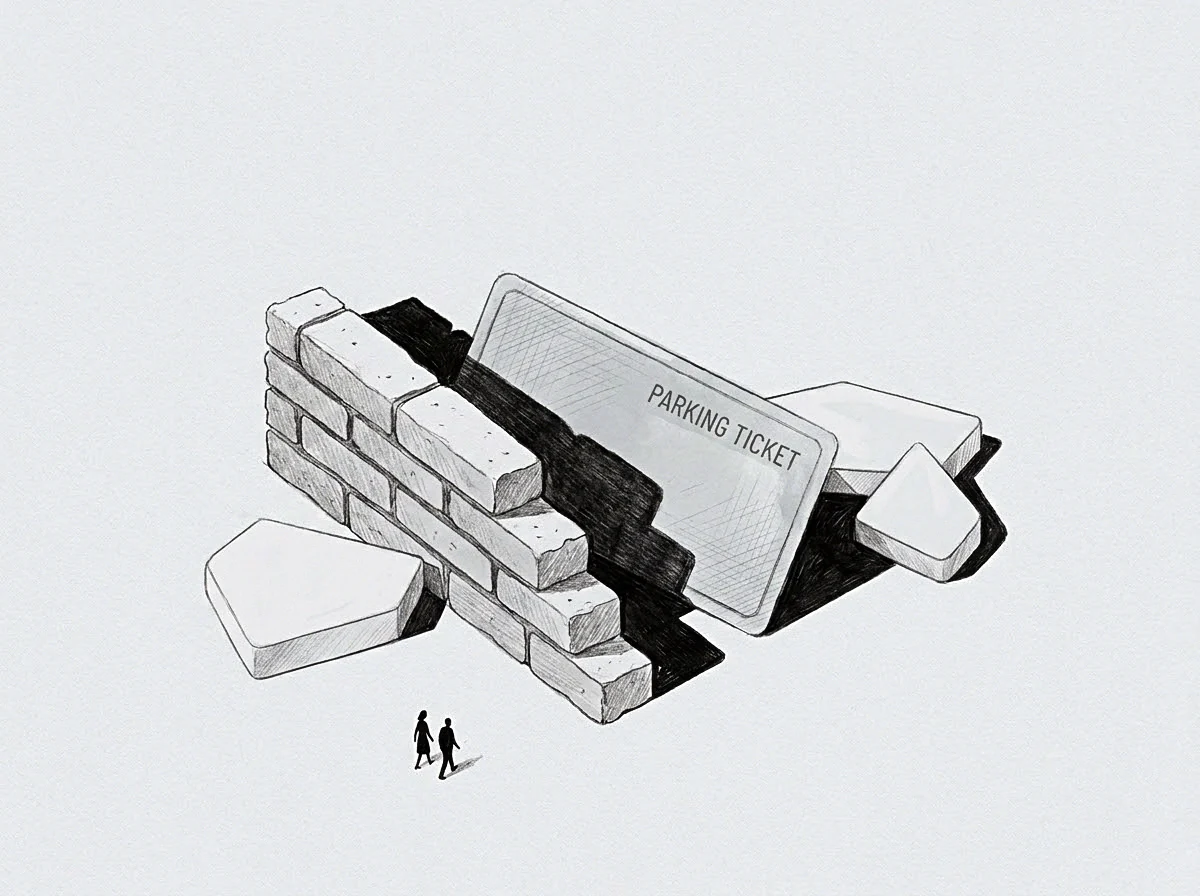
A contractual penalty tariff converts cognitive context switching into billed recovery hours, pricing unscheduled disruptions to protect delivery velocity.

Fixed fee agreements suffer severe margin decay when unpriced client interruptions and coordination friction extract cognitive capacity without triggering billing events.

Evaluating dynamic compute latency across non-deterministic execution paths maps execution variance, branch overhead, and speculative tail latency bounds.

Rebaseline ratchet clauses convert unpriced client friction into permanent cardinal retainer increases when operational delay thresholds are breached.

Early venture conversion metrics require sparse baseline reference classes and extended observation windows to prevent mistaking low-sample noise for strategic signal.

Stochastic particle filtering estimates non-linear venture cash runway bounds by recursively updating particle weights against multi-channel transactional feeds.

Enterprise scope creep expands through administrative drag; retainer volatility bands protect margins by automatically converting ordinal capacity loss into cardinal pricing tiers.

Enterprise retainers under high operational friction require pricing calendar availability and capacity reservations separately from active execution volume.

Removing direct client messaging channels converts hidden internal cost vectors into explicit monthly retainer retention decisions.
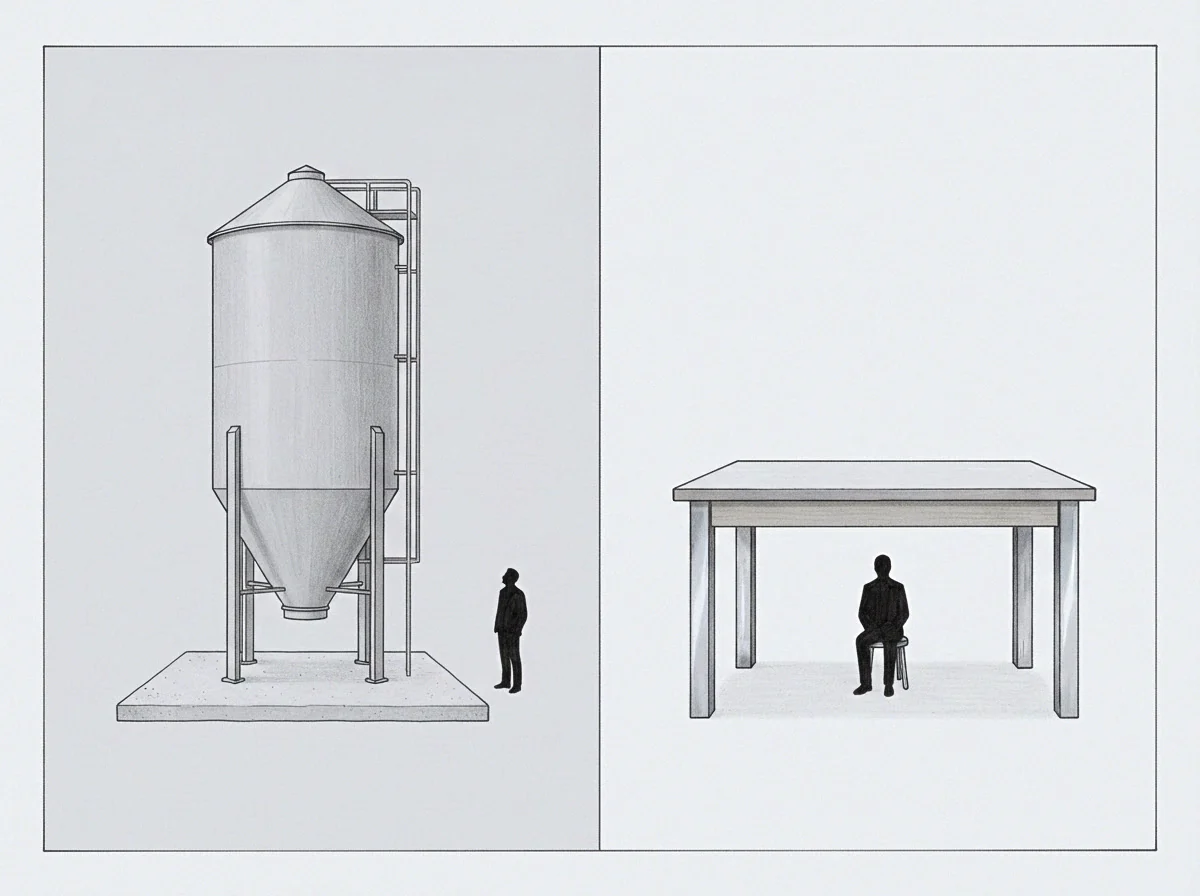
State execution overhead measures runtime compute capacity consumed by serialization, synchronization, and storage engine interaction during event transitions.

Retainer contracts convert multi-component communication friction into cardinal price terms through structured response tiers and channel restrictions.

System fatigue accumulates as hidden drag when constant nominal output consumes internal recovery buffers and forces unrecorded compensatory effort.

Cardinal output coordinates track positional displacement while internal structural strain measures the cumulative material deformation absorbed to sustain that rate.

Dynamic Bayesian recalibration continuously updates historical unit economic priors as acquisition and retention distributions shift over time.

Operational baselines derived under continuous strain capture systemic deformation rather than sustainable capacity, requiring avoidance vectors for calibration.
The terms are written where they belong. Each field holds three desks, and every entry a desk writes raises the terms it uses, each term given a meaning, a mechanism and the places it appears. The record on these pages stays first person and hand made; the fields grow the nomenclature.