

Initial Prior Formulation for Early Capital Depletion Metrics
Early capital depletion tracking relies on Bayesian prior distributions constructed from historical reference classes to isolate structural overhead from experimental burn.

Early capital depletion tracking relies on Bayesian prior distributions constructed from historical reference classes to isolate structural overhead from experimental burn.

Residual capacity boundary limits are quantified by measuring secondary communication friction and error recovery costs when operational models obscure limits.

Unbounded multi-channel client messaging creates cognitive switching and triage overhead that consumes unbilled capacity, halving realized retainer margins.
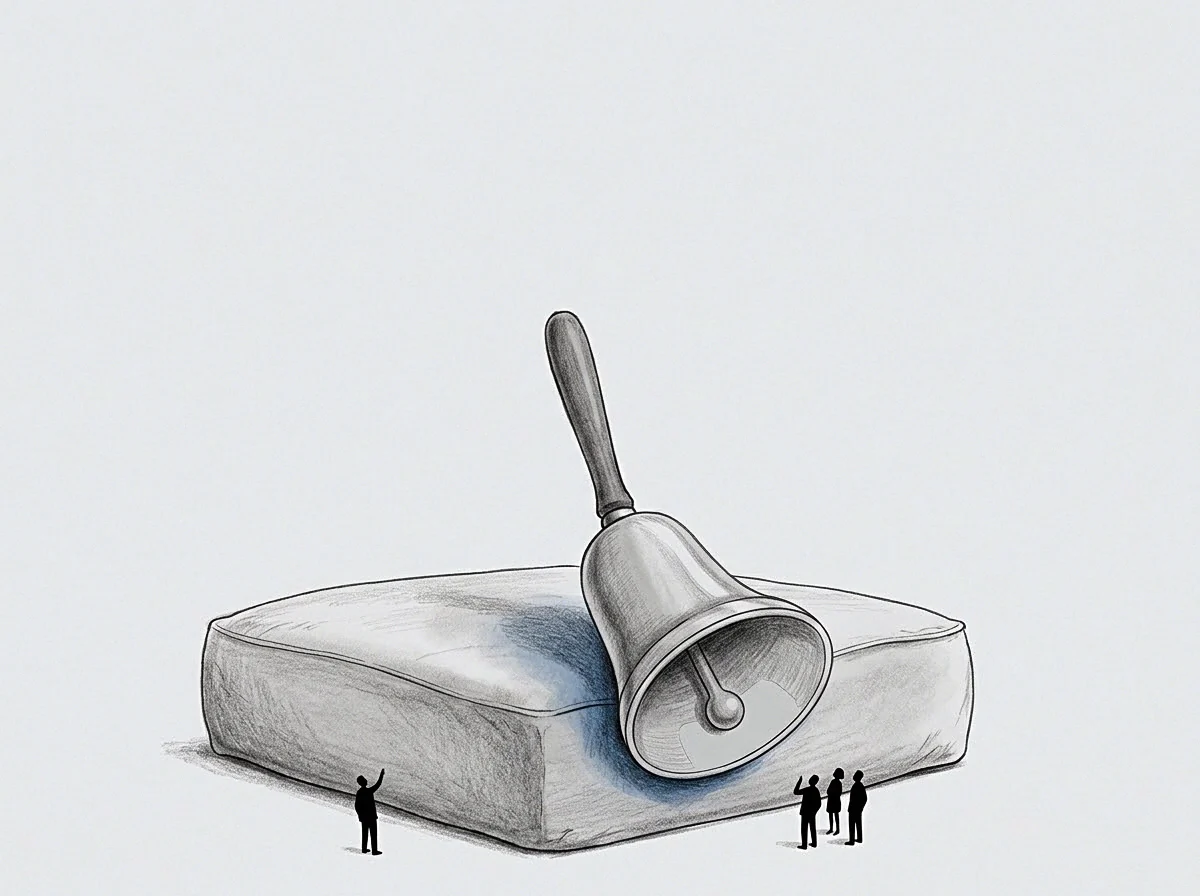
System avoidance gradients calculate structural friction by measuring the vector divergence between formal operational protocols and empirical employee workarounds.

Unpriced shared messaging channels convert fixed retainer contracts into variable liabilities whenever informal query volume bypasses structured intake desks.

Capacity loss signals manifest as uncounted manual workarounds and signal damping long before reported throughput metrics show execution loop failure.

Unmeasured operational drag degrades delivery vectors until cumulative lateral friction forces terminate normalised velocity calculations.

Decay rate vectors measure output degradation across early execution reference classes by comparing live baseline readings against historical performance windows.

Coordination drag occurs when localized velocity vectors diverge, converting scalar output into destructive internal friction across multidimensional systems.

Trajectory skew corrects by isolating unmeasured operational friction variables and eliminating structural interface drag rather than applying compensatory effort.

Multi-axis metric variance hides baseline capacity depletion by prioritizing positive operational outputs over degrading recovery reserves.

Variance whitening aligns vector distance calculations to eliminate systematic evaluator bias caused by high-dimensional output noise.

Dynamic multi-dimensional baseline metrics scale by transforming heterogeneous telemetry into normalized dimensionless vectors across shifting operational volumes.

Capital constraints truncate high dimensional exploration, expanding gradient uncertainty bounds along unprobed axes and forcing dimensional collapse.

Marginal gradient descent updates non-convex portfolio weights through directional partial derivatives and stochastic perturbations to bypass local minima and saddle traps.

Outside view forecasting replaces optimistic internal projections with empirical distributions drawn from structurally similar historical ventures.

Reference class forecasting corrects founder optimism by anchoring internal projections to historical distributions of outcomes from similar ventures.
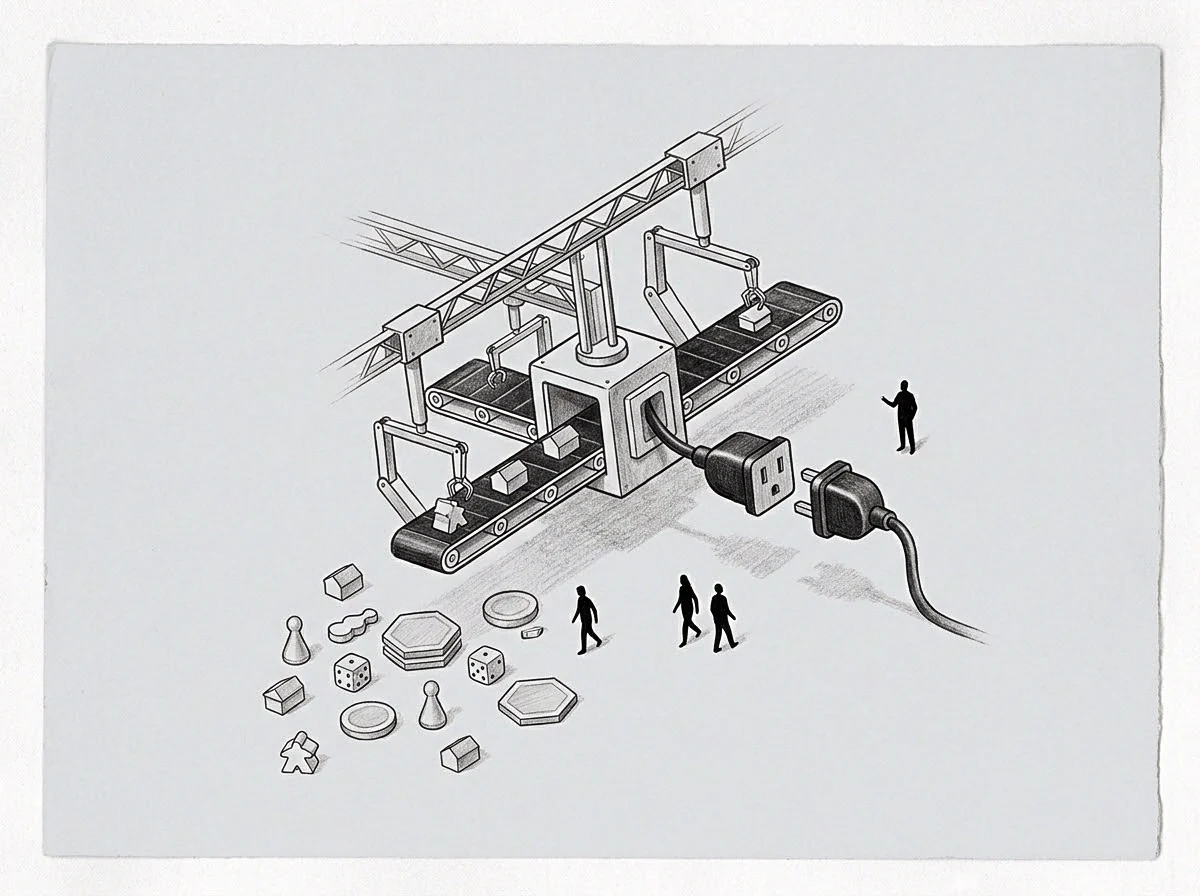
Production degradation velocity quantifies metric degradation rates by comparing short sliding observation windows against static invariant telemetry anchors.

Dynamic sensitivity perturbation establishes production baselines by injecting measured inputs to record operational variance across system stress states.
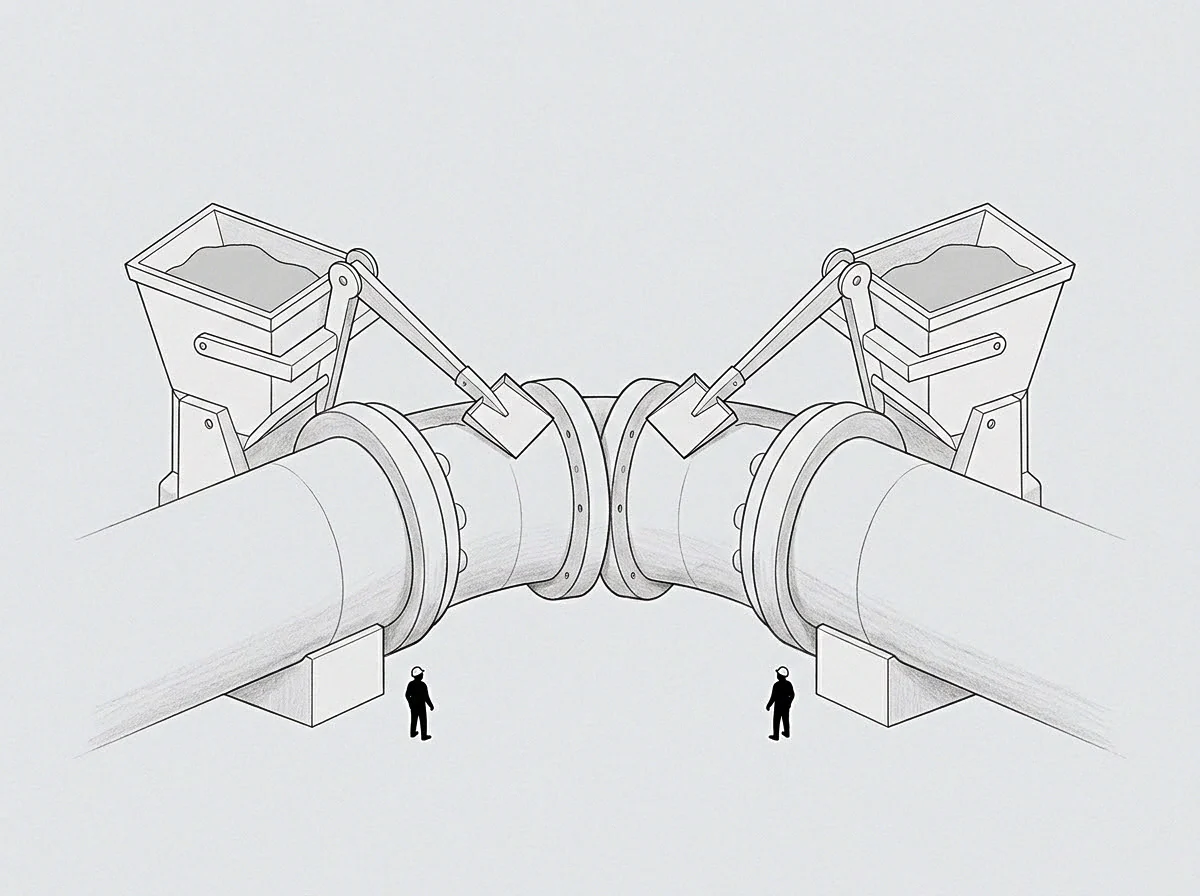
Mapping internal capacity drain to cardinal contractual terms converts unpriced operational friction into formal price adjustments through explicit threshold triggers.

Dynamic system sensitivity analysis evaluates how parameter variations propagate through feedback loops to calibrate stable metric thresholds over time windows.

Continuous value interpolation maps asset valuations onto a smooth allocation scalar field, converting discrete rebalancing jumps into friction-minimized paths.

Asynchronous client messaging causes technical attention losses by fragmenting working memory and incurring heavy context restoration latency across execution blocks.

Asynchronous context recovery latency is mitigated by structuring SLAs around state capture artifacts, batching bounds, and automatic re-entry fee offsets.

System regime shifts expand compressed latent spaces, enabling state reconstruction through shadow coordinate embeddings derived from observable residual gradients.

Covariance shrinkage early warning signals appear as spectral eigenvalue compression and matrix condition deterioration before scalar variance degradation registers.

Unbounded asynchronous communication consumes specialized cognitive capacity through context switching, converting profitable service retainers into unbilled operational losses.

Unmeasured microclimate heat recirculation folds spent cooling plume exhaust back into equipment suction louvers, accelerating internal material wear and shortening asset replacement schedules.
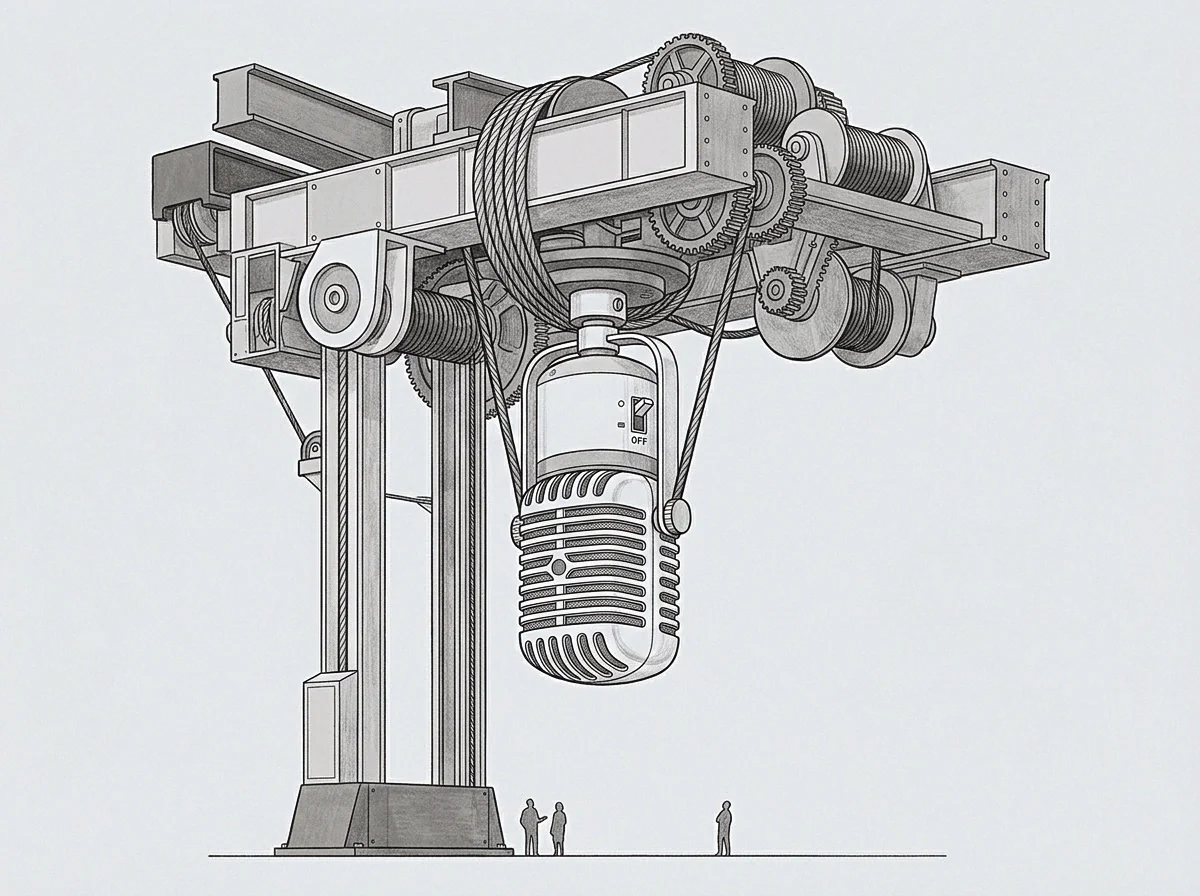
Localized thermal drift vectors distort industrial equipment tolerances, requiring targeted spatial microclimate containment to prevent premature capital asset loss.

Messaging friction erodes retainer margins when unpriced client communications consume attention, fragment focus, and force continuous context switching.
The terms are written where they belong. Each field holds three desks, and every entry a desk writes raises the terms it uses, each term given a meaning, a mechanism and the places it appears. The record on these pages stays first person and hand made; the fields grow the nomenclature.