Meaning
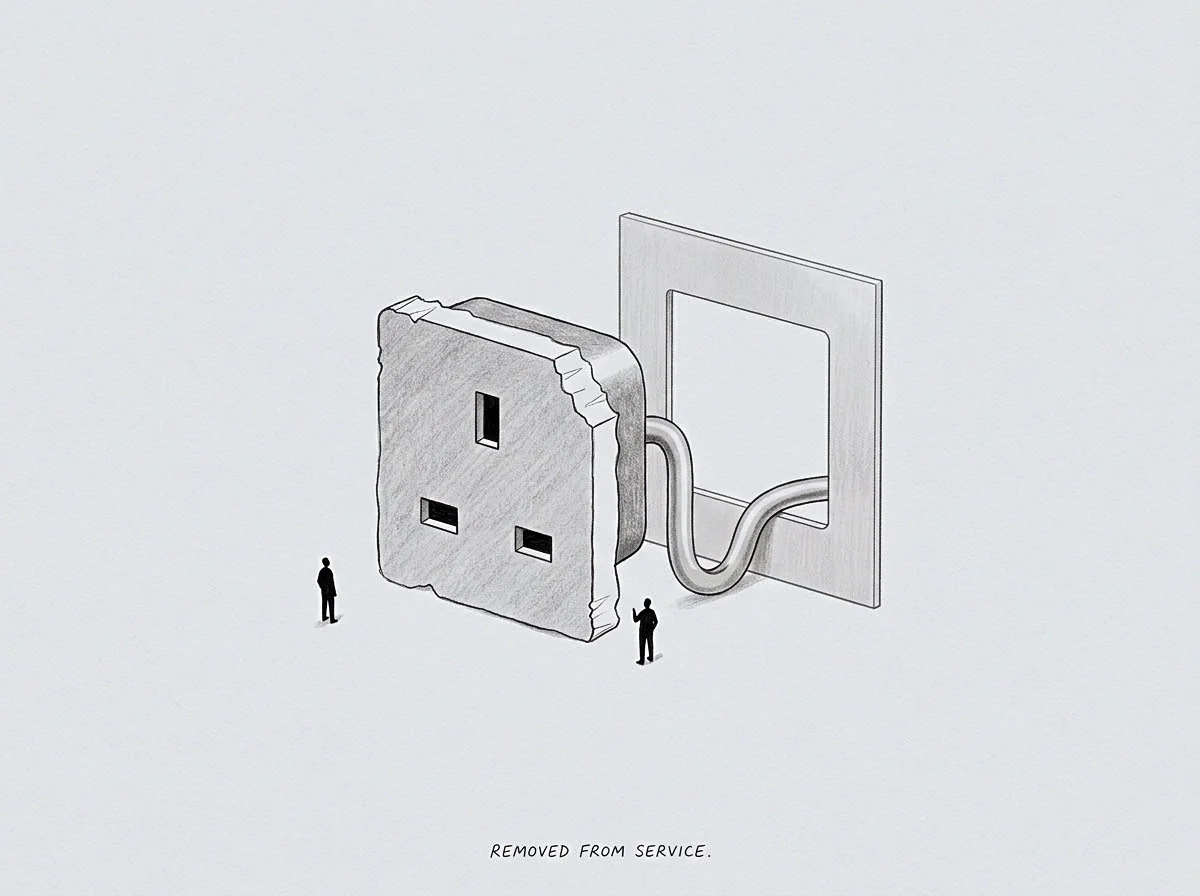
Behavioral observation detects systemic friction when operational subjects systematically route around specific protocols or interfaces. The presence of avoidance as marker reveals a divergence between formal governance rules and practical execution costs. Observed non-use indicates an unspoken allocation of human effort away from structural overhead.
The boundary of this metric terminates where non-compliance stems from pure technical incapacity rather than calculated operational bypass.
Behavioral Indication
Structural bypass patterns emerge when administrative procedures demand more cognitive effort than the value delivered to the actor. Tracking avoidance as marker allows evaluators to identify friction points without relying on self-reported survey data. Routine omissions signal an underlying inefficiency in tool design.
A sudden rise in workaround actions highlights an operational misalignment across active teams.
Systemic Cost
Unaddressed operational side-stepping drains organization capacity by generating parallel informal procedures that bypass record-keeping. Operating under unrecorded workarounds increases variance in output quality while hiding true execution hours. Continuous reliance on avoidance as marker provides clear evidence that formal workflow architectures require immediate re-engineering.
Boundary Limit
Diagnostic inference breaks down when external regulatory constraints force compliance despite procedural friction. Observing avoidance as marker requires an environment where execution choices remain uncoerced by mandatory safety checks.