Meaning
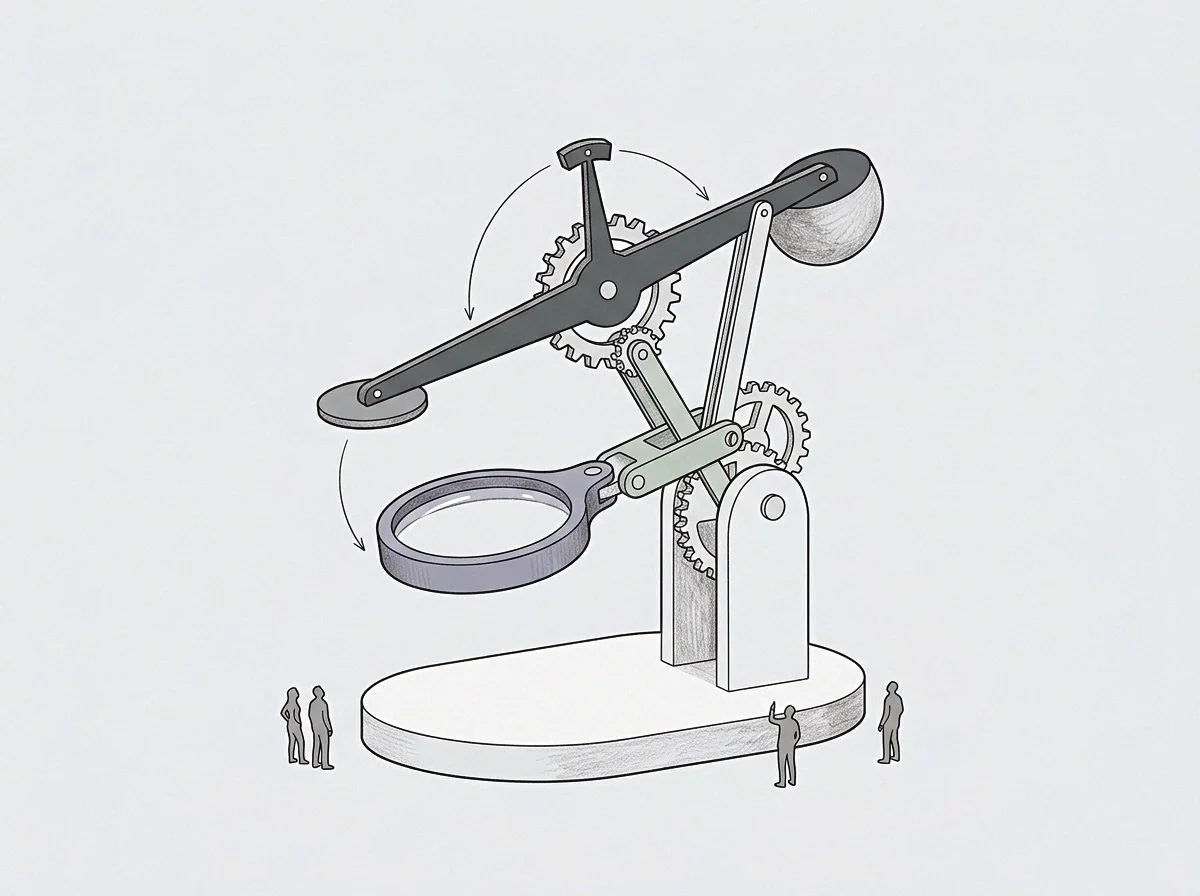
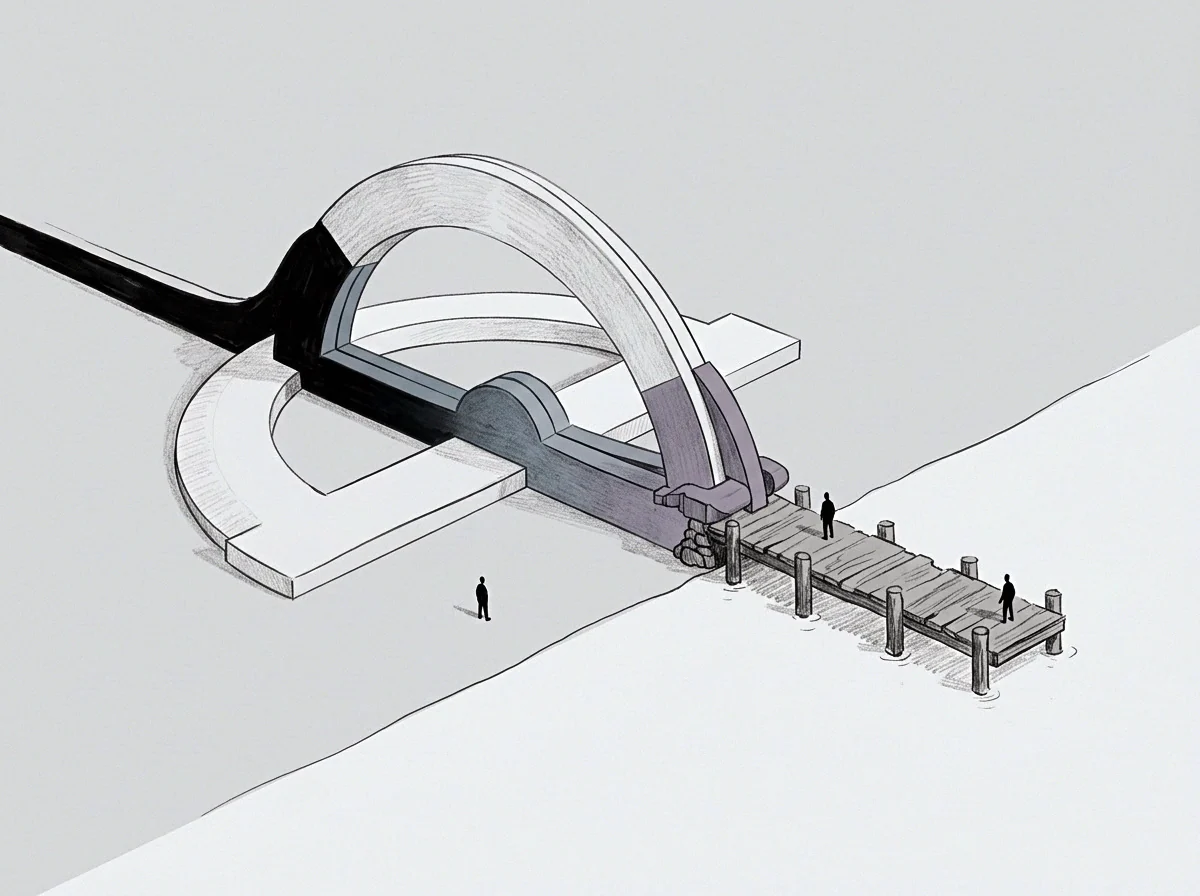
Behavioral diversion functions as an ordinal marker of structural withdrawal within post-founding operations. This phenomenon tracks the systematic redirection of cognitive attention away from core operational bottlenecks toward peripheral administrative tasks. The metric sits on a discrete rank scale ranging from total engagement to complete functional abandonment.
A founder generates a behavioral comparison signal when diversion exceeds the baseline threshold established during the initial capitalization phase. The boundary of this mechanism lies where formal delegation begins, because standard management transfer differs from reactive displacement.
Attention Allocation
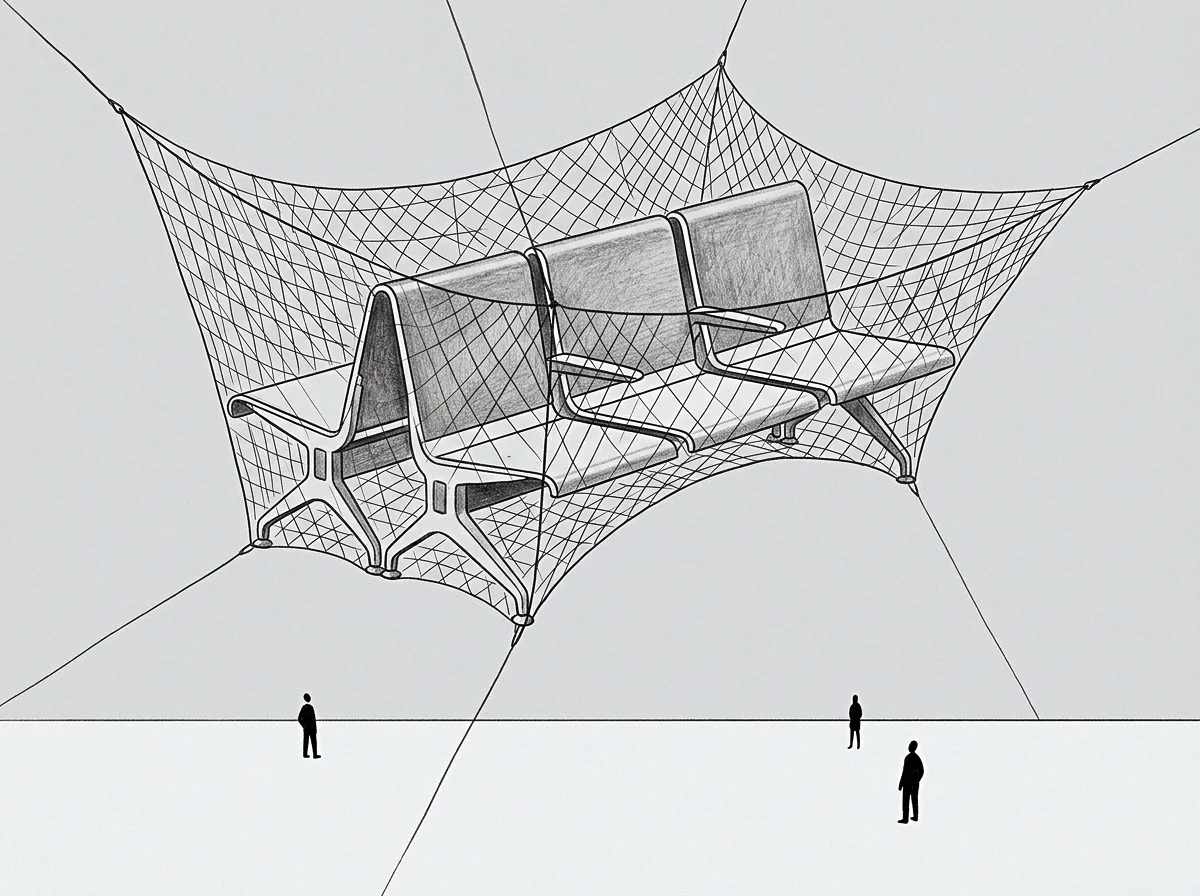
Cognitive energy shifts toward surrogate problems when primary constraints resist immediate resolution. The measurement loop registers this movement through the disproportionate consumption of hours on non-essential software integrations. Founders substitute difficult market validations with comfortable internal documentation routines.
This substitution produces a downward gradient on the value creation vector.
Operational Drift
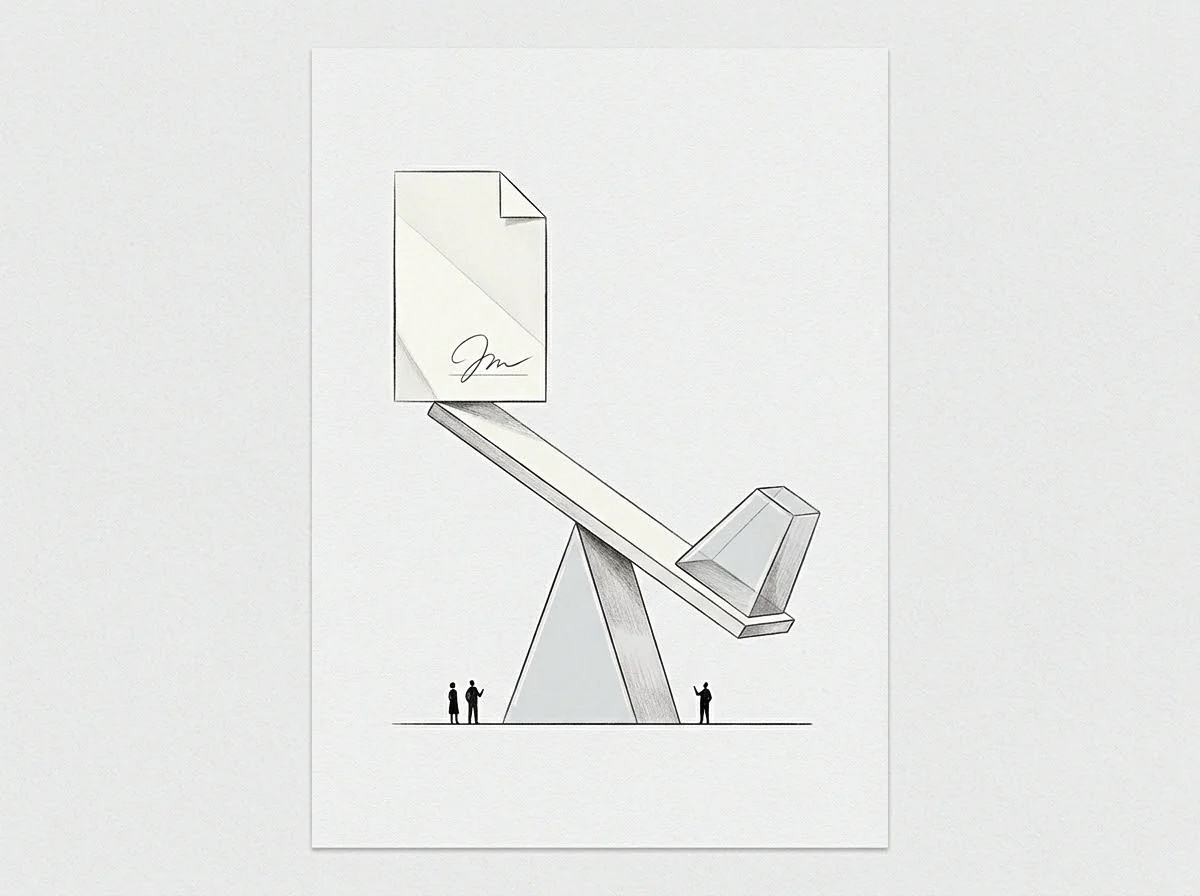
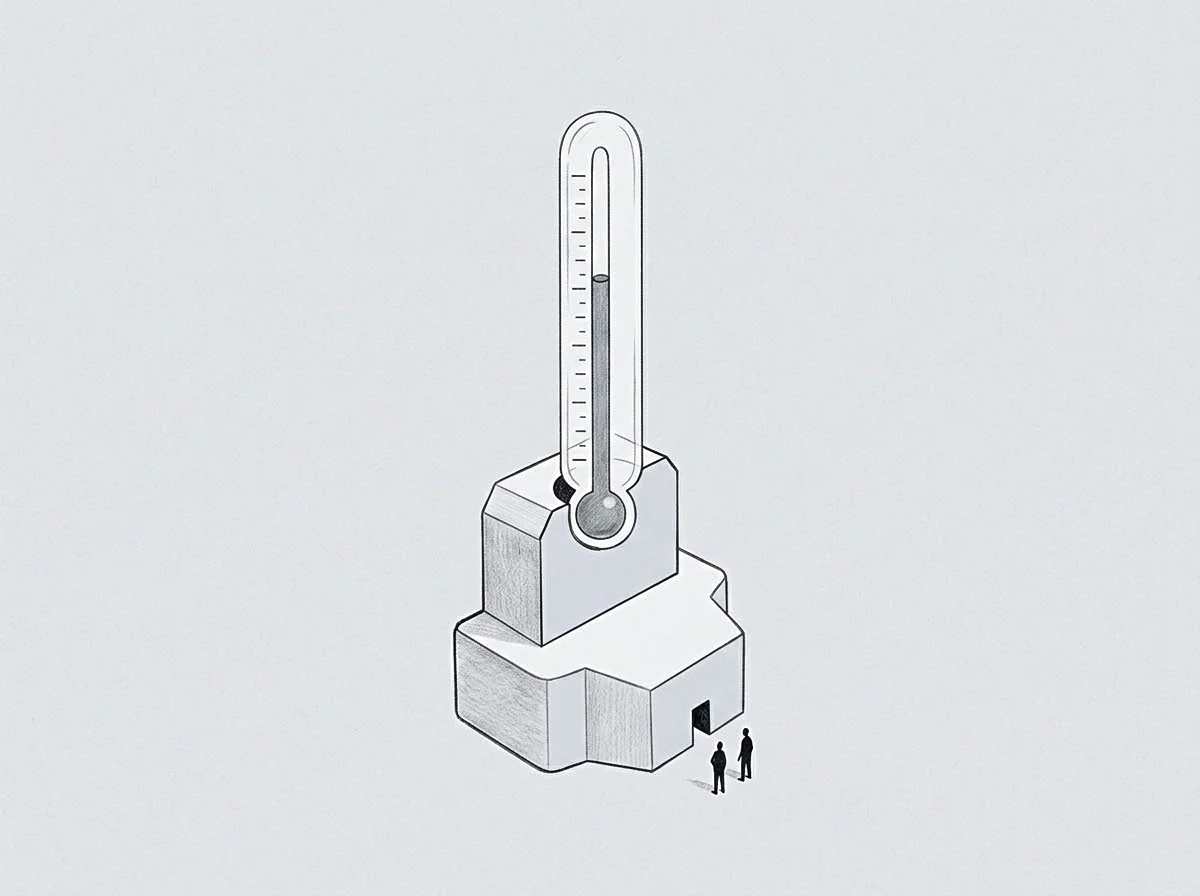
Sustained diversion creates a measurable gap between stated strategic milestones and actual resource deployment. The delta widens as administrative complexity replaces direct customer interaction. Observers track this divergence by noting the frequency of postponed product releases alongside increased committee frequency.
Such patterns signal an internal preference for predictable routines over ambiguous commercial feedback.
Systemic Threshold
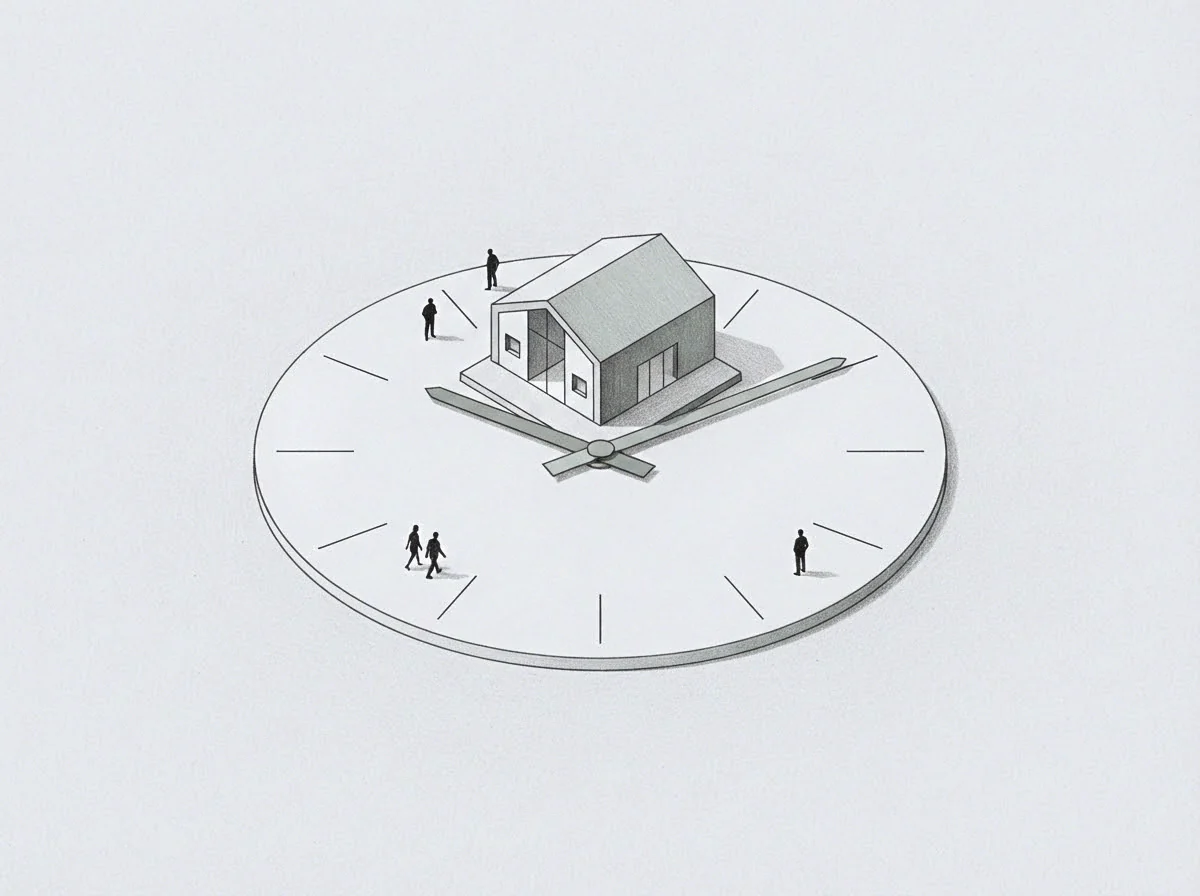
Unchecked behavioral diversion alters the baseline capacity of the enterprise without triggering standard financial alerts. The organization absorbs the cost of this withdrawal through diminished product velocity rather than immediate cash loss. A definitive boundary separates normal operational friction from total structural detachment.
This terminal point occurs when internal protocol discussions completely replace external revenue generation targets.