

Quantifying Reserve Capacity Losses During Queue Overload
Queue overload converts reserve capacity into coordination friction, collapsing realized throughput as arrival rates exceed processing thresholds.
Queue overload converts reserve capacity into coordination friction, collapsing realized throughput as arrival rates exceed processing thresholds.
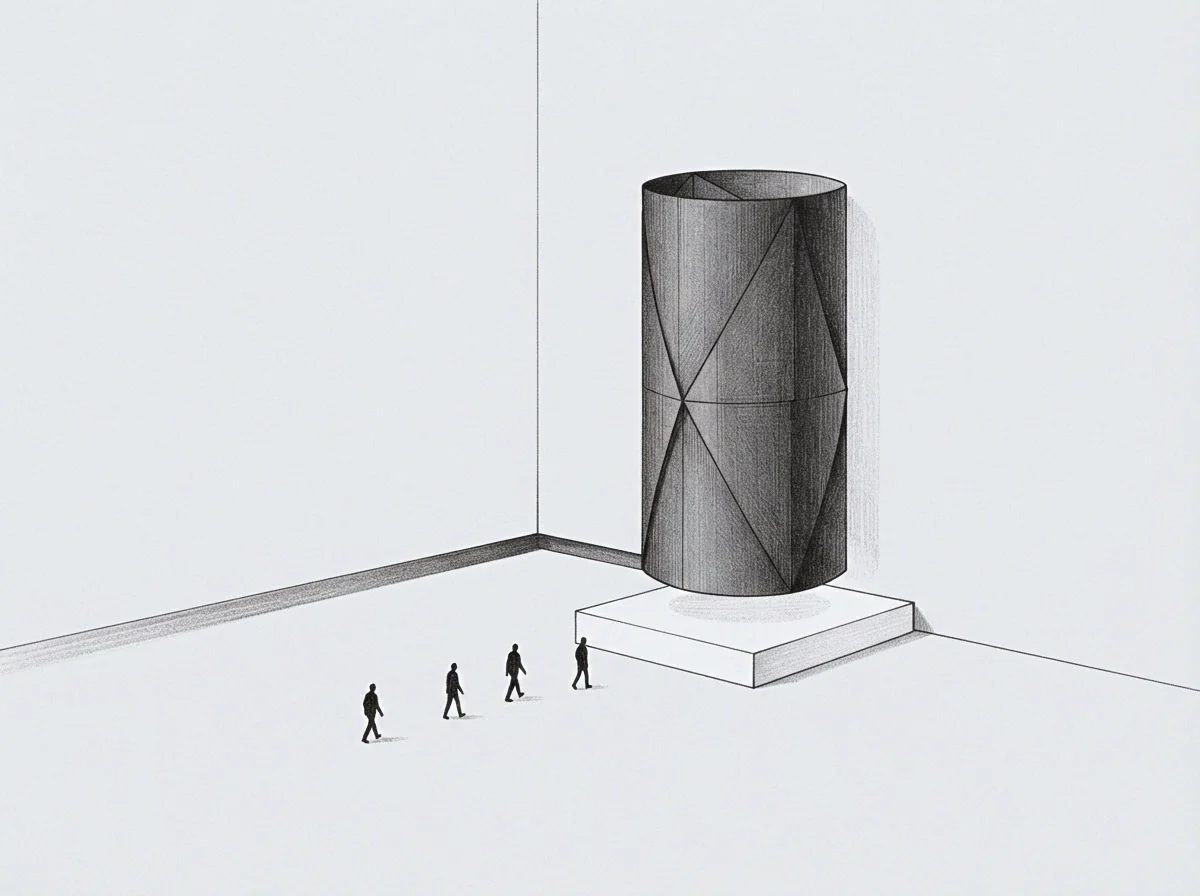
Unspent enterprise potential is the volume integral of mirrored value gradients trapped where internal coordination friction halts operational execution.

Reconciling capital allocations requires mapping ordinal organizational resistance as structural terrain constraints against cardinal liquidity boundaries.
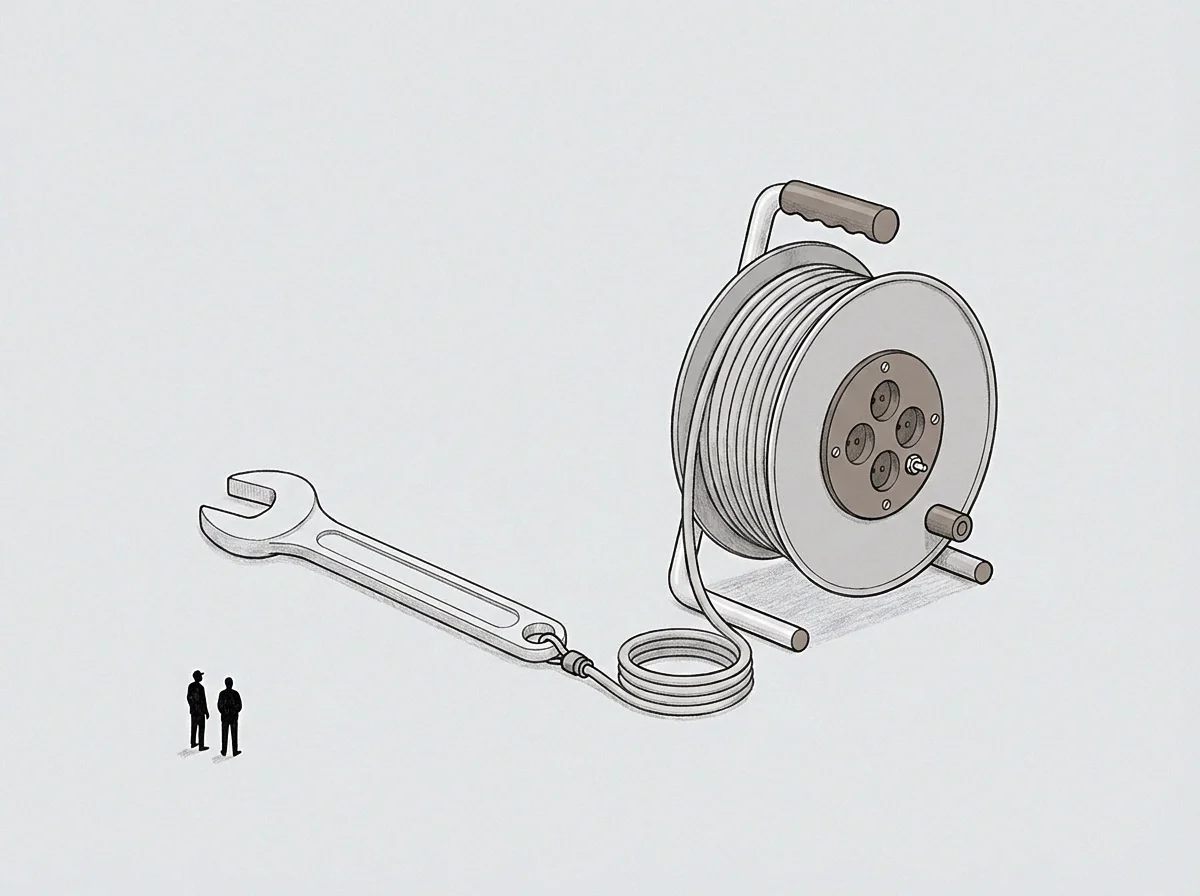
Dynamic capital deployment pacing matches tranche velocity to asset relaxation rates, preventing irreversible yield decay along continuous diminishing return curves.

The value function slope across a capital path measures the rate of structural utility gained per unit of spent reserve without moral judgment.

Reversing an operational workaround extracts the geometric trajectory of manual avoidance and directs development leverage directly at the underlying defect.

Resolving local reference frame offsets requires estimating spatial lever arms and boresight rotations to decouple platform motion from false kinematic forces.

Unprocessed spatial impedance along system boundaries stores unspent operational energy as a latent potential gradient mapped directly by workflow avoidance.

Operational restructuring in deflection networks merely redistributes unresolved systemic backpressure into unmonitored organizational sinks.

Statutory ownership provides legal standing while operational extraction yield depends entirely on the live energetic cost of overcoming systemic organizational friction.

Cardinal output coordinates track positional displacement while internal structural strain measures the cumulative material deformation absorbed to sustain that rate.
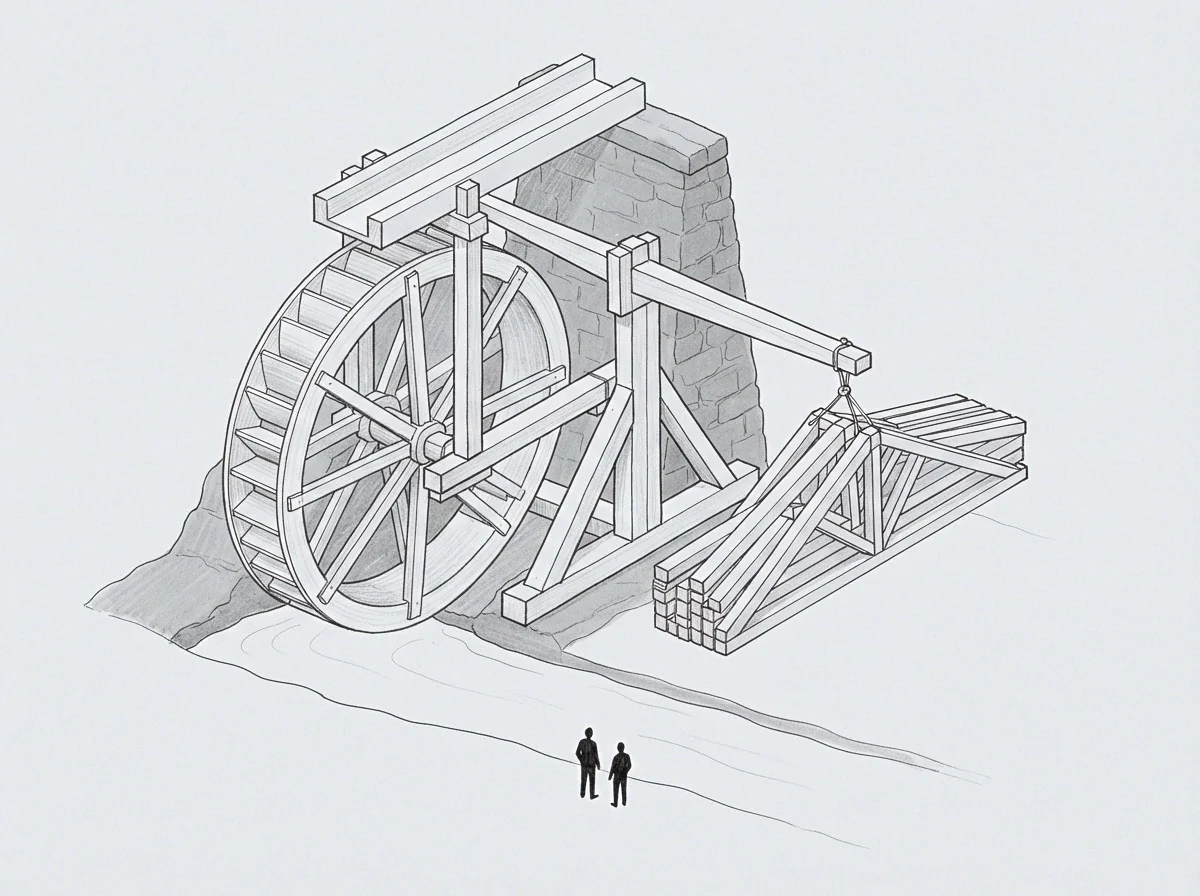
Operational baselines derived under continuous strain capture systemic deformation rather than sustainable capacity, requiring avoidance vectors for calibration.

Capital deflection measures the liquidity diverted from direct value creation into internal coordination, interface negotiation, and defensive alignment.
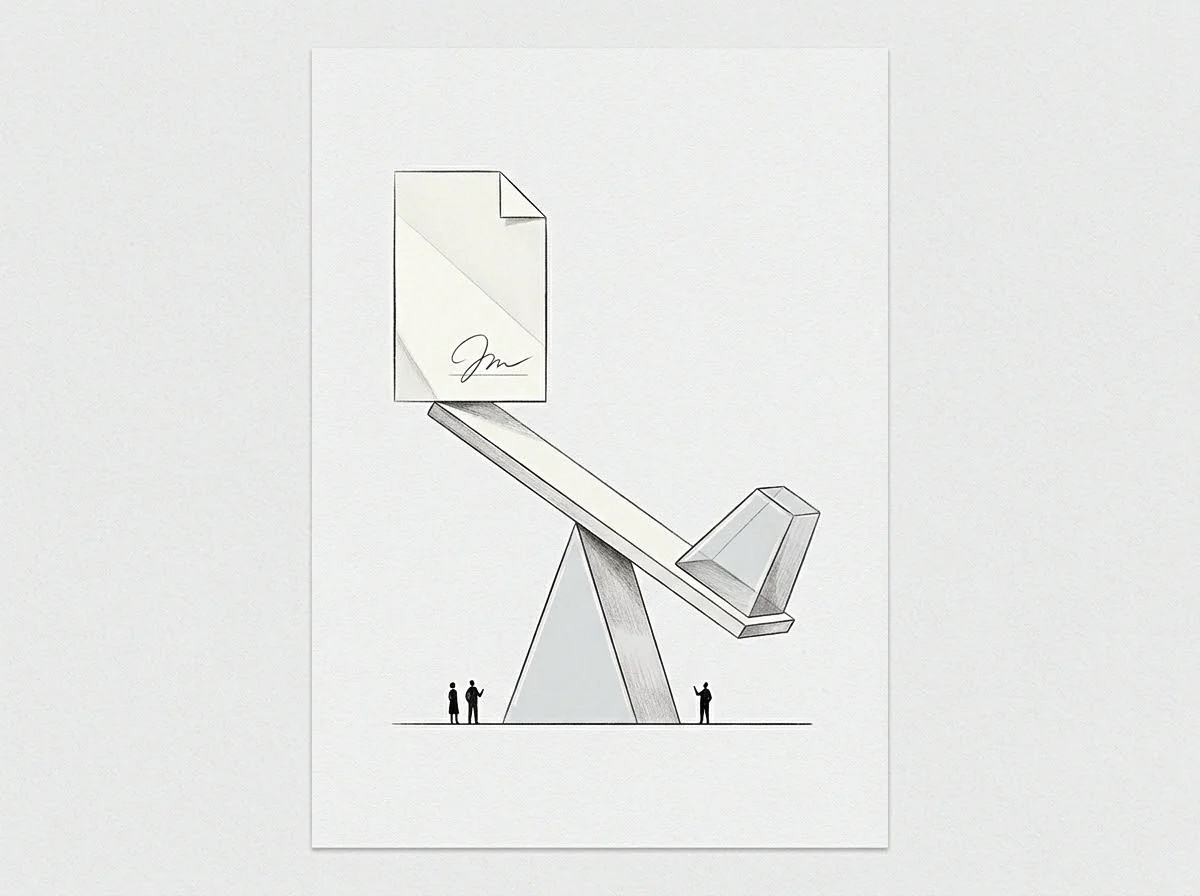
Energy losses between strategy and operations scale with the velocity difference between strategic directional turns and operational cycle completion times.

Boundary shifts in anisotropic trajectories occur when non-Gaussian noise drives state vectors along coordinates of lowest directional restitution.

Deriving true system baselines requires measuring unassisted structural equilibrium by stripping away the concealed compensatory effort that maintains surface metrics.
The terms are written where they belong. Each field holds three desks, and every entry a desk writes raises the terms it uses, each term given a meaning, a mechanism and the places it appears. The record on these pages stays first person and hand made; the fields grow the nomenclature.