

Converting Ordinal Internal Vector Consumption To Cardinal Client Pricing
Converting ordinal internal cost vectors into cardinal client prices requires projecting multi-attribute resource drain onto a single transactional monetary figure.
Converting ordinal internal cost vectors into cardinal client prices requires projecting multi-attribute resource drain onto a single transactional monetary figure.

Context switching imposes an ordinal attention drain that degrades technical reasoning far beyond the cardinal minutes an interrupt consumes.

Commercial agreements price multi-channel operational drain by converting ordinal communication metrics into explicit cardinal fee thresholds.

Unpriced operational ambiguity converts directly into uncompensated attention consumption unless captured through structural retainers and trigger surcharges.

The engineering attention vector measures the directional distribution of cognitive capacity across architecture, maintenance, and delivery layers.

Rotational shielding isolates technical teams from context switching costs by assigning a rotating sentry operator to absorb incoming operational noise.
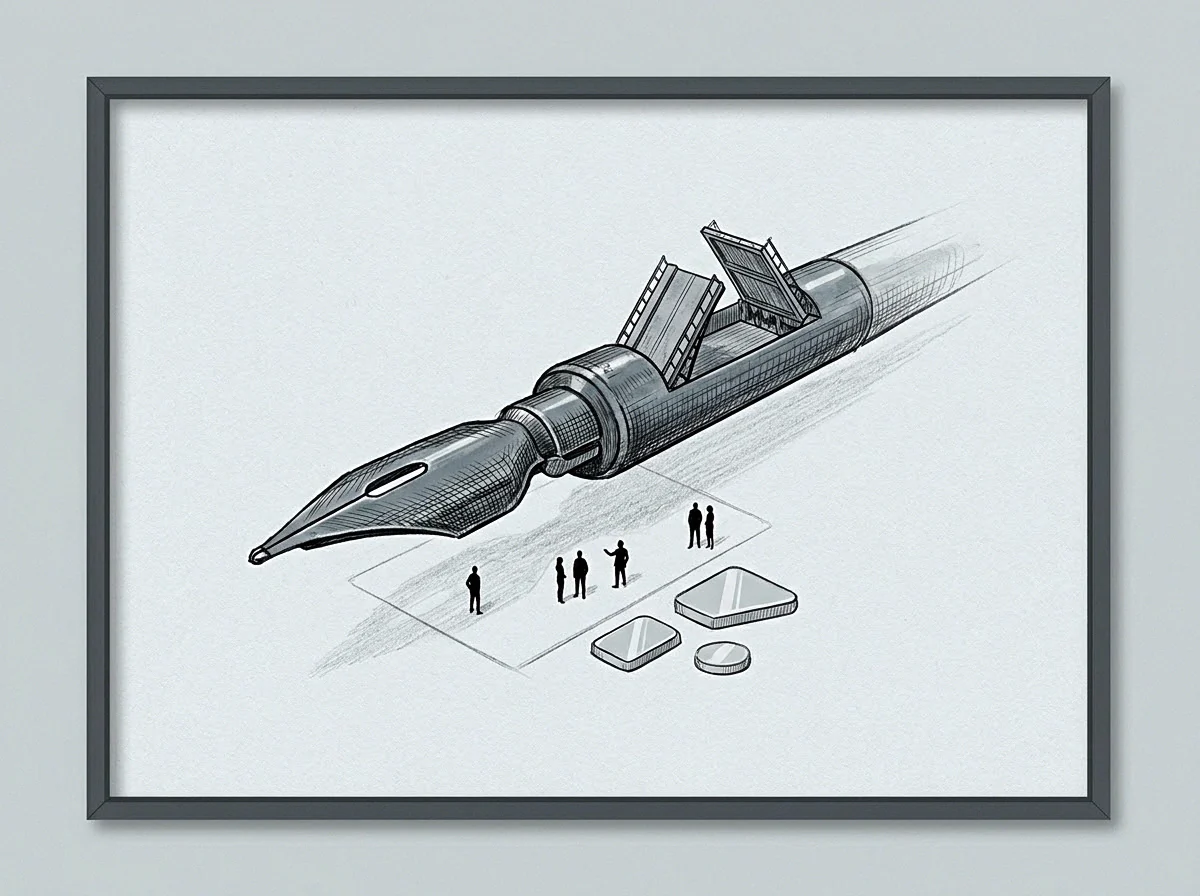
Client messaging friction expands vendor cost vectors by consuming cognitive attention and task-switching capacity outside cardinal retainer fees.

Unpriced channel communication consumes operational capacity; converting attention drain into cardinal surcharge terms aligns counterparty incentives.

Operational friction quantifies the non-monetary coordination drag and capacity drain that balance sheet expenditures impose on internal teams.

Internal operational strain maps to commercial terms when multi attribute friction vectors convert into explicit contract triggers and fee adjustments.

Immediate cash shortages consume mental bandwidth, forcing operators to liquidate high-leverage cognitive focus to satisfy urgent cardinal payment obligations.

Resource expenditures move as multi-attribute ordinal vectors that must be tracked across internal dimensions before conversion into cardinal market prices.

Engineering attention distribution measures ordinal cognitive effort across projects through passive telemetry to reveal hidden context switching overhead.
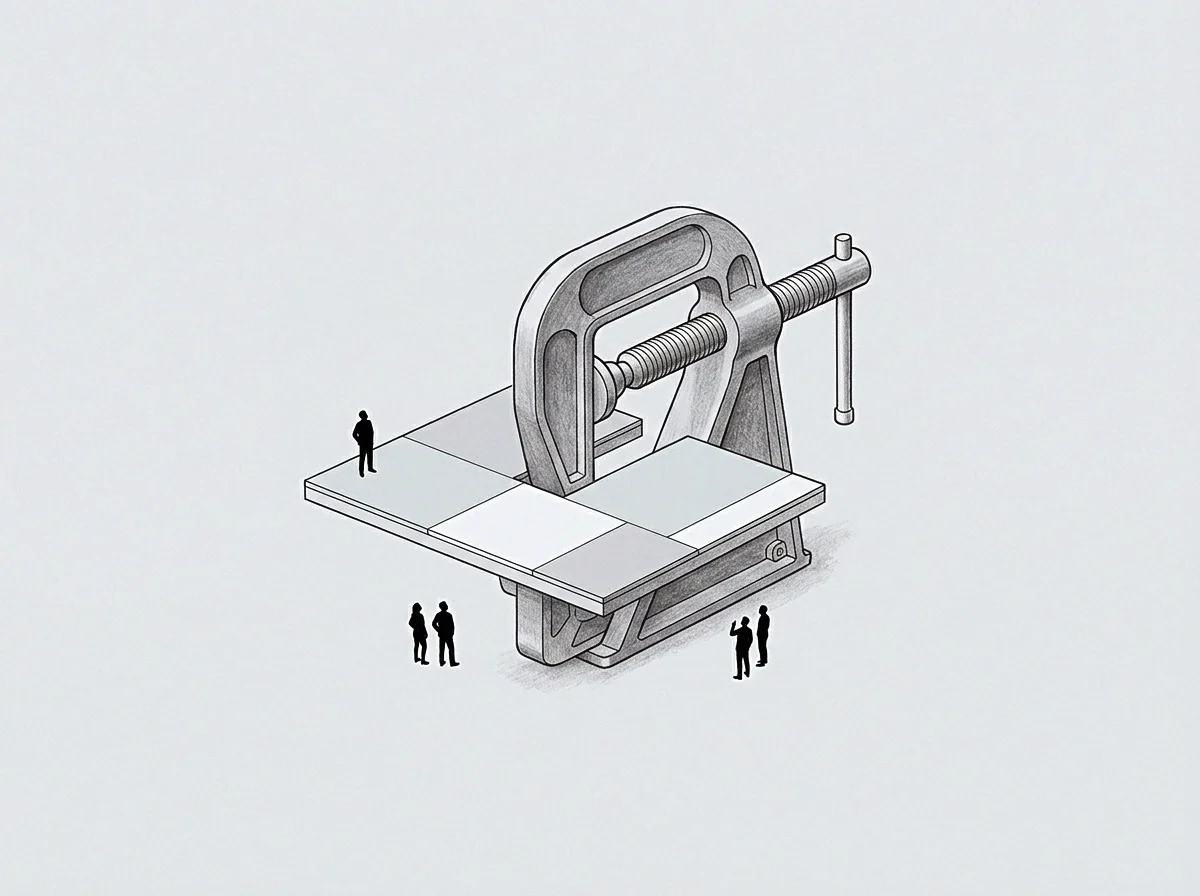
Attention vector telemetry isolates engineering bottlenecks by measuring focus continuity and queue delays rather than nominal ticket throughput.

Reconstructing attention vectors requires isolating technical capacity behind hard operational bounds when systemic friction exceeds baseline throughput.

Interruption converts continuous cognitive execution into fragmented ordinal cost vectors that systematically degrade engineering output through working memory reconstruction latency.

Continuous high-frequency failures consume architect capacity through context switching, requiring isolated operational buffers to preserve structural design.

Messaging friction erodes retainer margins when unpriced client communications consume attention, fragment focus, and force continuous context switching.

Unbounded asynchronous communication consumes specialized cognitive capacity through context switching, converting profitable service retainers into unbilled operational losses.

Asynchronous client messaging causes technical attention losses by fragmenting working memory and incurring heavy context restoration latency across execution blocks.

Unpriced shared messaging channels convert fixed retainer contracts into variable liabilities whenever informal query volume bypasses structured intake desks.
Retainer contracts convert multi-component communication friction into cardinal price terms through structured response tiers and channel restrictions.

Fixed fee agreements suffer severe margin decay when unpriced client interruptions and coordination friction extract cognitive capacity without triggering billing events.

Unpriced attention switching across multi-client enterprise accounts converts direct execution capacity into operational friction through context residue.

Uncapped client access friction resolves when contractual agreements translate qualitative availability expectations into explicit latency bands and billable capacity ceilings.

Enterprise software vendors convert internal ordinal attention drag into cardinal contract terms through capped support tiers and explicit overage schedules.

Dynamic capacity gating converts unpriced cognitive depletion in software retainers into cardinal contractual fee adjustments.

Unsynchronized redirection converts delivery hours into scrap work and switching waste whenever corporate strategy turns faster than operational propagation.

Operational effort vectors reveal the hidden internal labor required to sustain vendor tools whose fixed invoices conceal true multi-attribute costs.

Software procurement converts cardinal financial capital into unpriced ordinal human labor capacity constraints across enterprise operational queues.
The terms are written where they belong. Each field holds three desks, and every entry a desk writes raises the terms it uses, each term given a meaning, a mechanism and the places it appears. The record on these pages stays first person and hand made; the fields grow the nomenclature.