

Capital Deployment Pacing Across Continuous Yield Decay Curves
Dynamic capital deployment pacing matches tranche velocity to asset relaxation rates, preventing irreversible yield decay along continuous diminishing return curves.
Dynamic capital deployment pacing matches tranche velocity to asset relaxation rates, preventing irreversible yield decay along continuous diminishing return curves.

Cardinal yield tracks local transaction efficiency while long-term objectives require preserving unspent operational plasticity across low-frequency vectors.
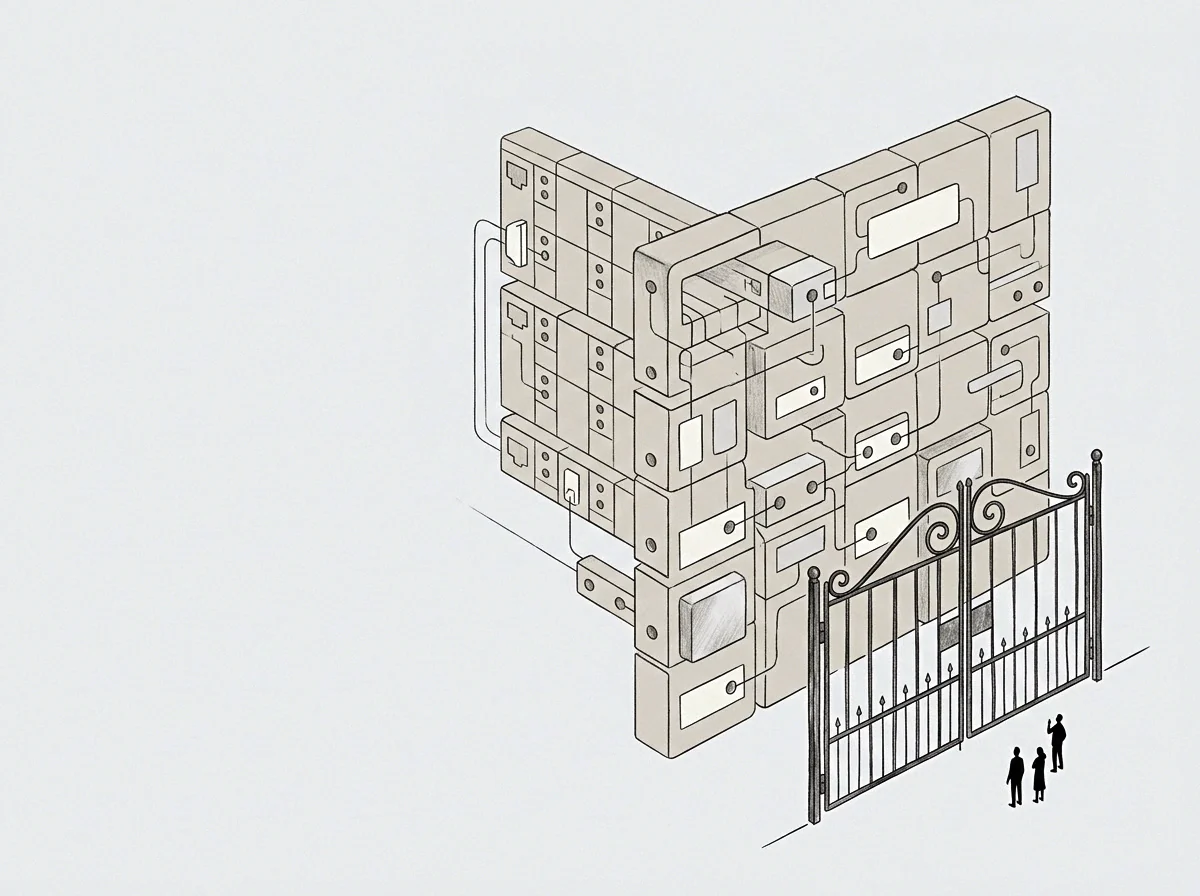
Adjoint sensitivities propagate terminal value derivatives backward along continuous resource trajectories, bypassing combinatorial forward perturbations.

The value function slope across a capital path measures the rate of structural utility gained per unit of spent reserve without moral judgment.
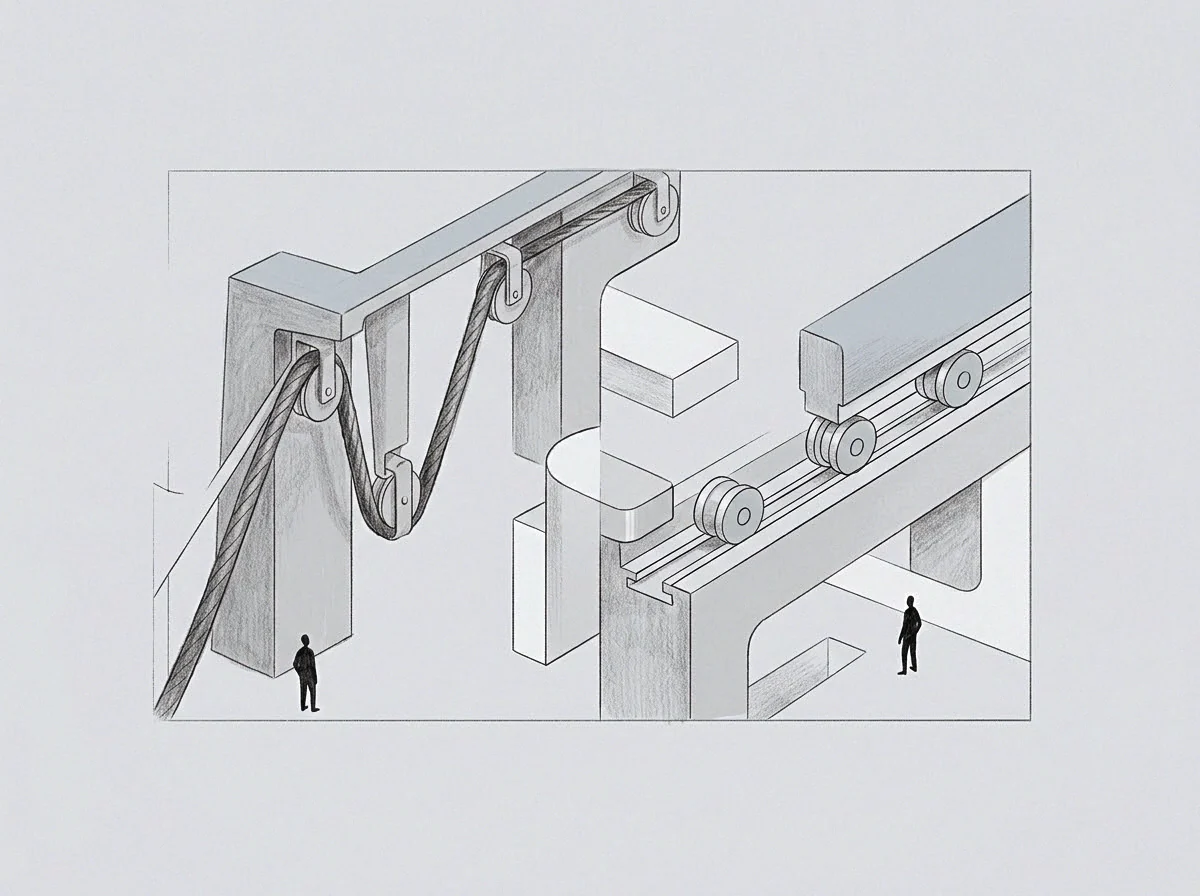
Boundary alterations in high latency environments release stored operational tension along paths of least resistance, measurable by tracking coordination lag.
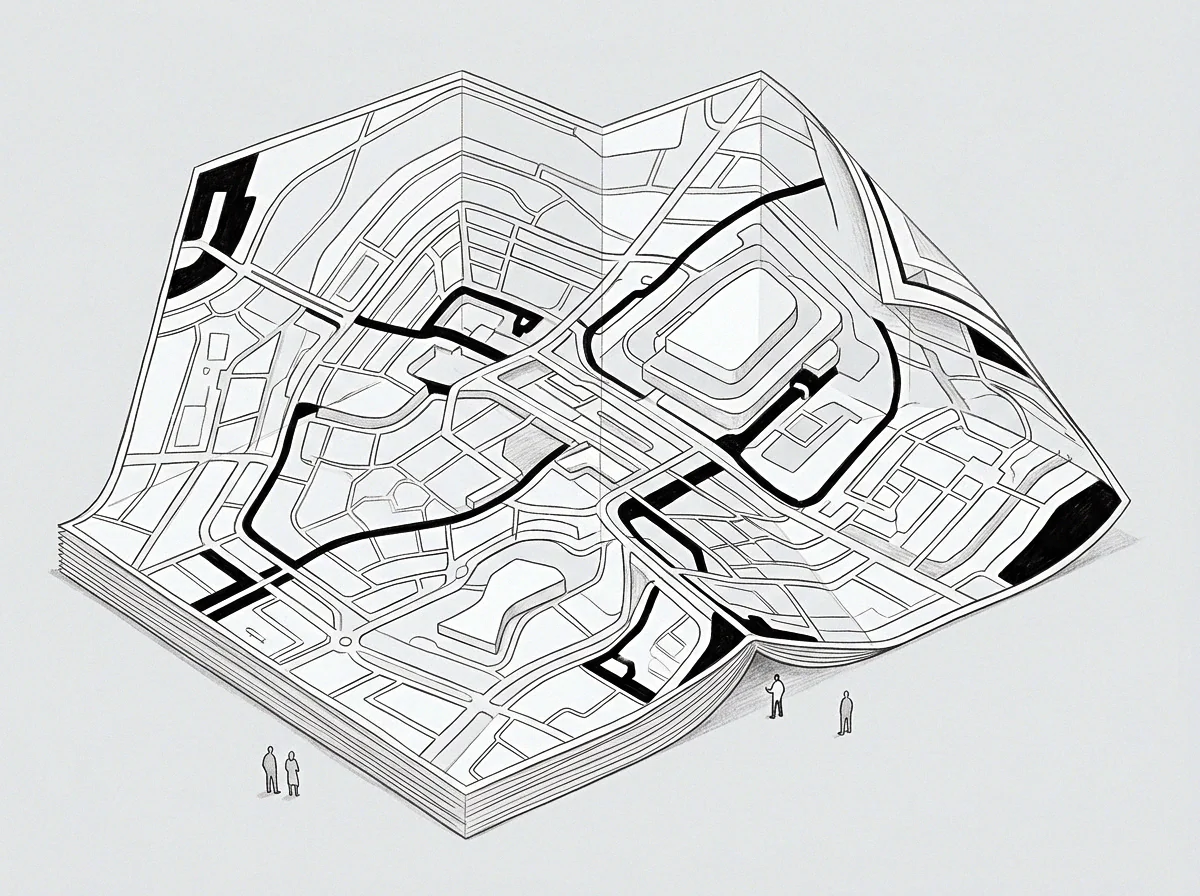
Operational friction baselines emerge by calculating the energetic distance between documented clearance paths and the undocumented workarounds teams deploy.

Reversing an operational workaround extracts the geometric trajectory of manual avoidance and directs development leverage directly at the underlying defect.

Operational deflections mark the precise coordinates where an enterprise evades steep computational friction, trapping latent value behind procedural routines.

Phase inversion drift occurs when aerodynamic heat shifts dielectric polarity, requiring spatial differential tracking to decouple sign flips from true load.

Resolving local reference frame offsets requires estimating spatial lever arms and boresight rotations to decouple platform motion from false kinematic forces.

Unprocessed spatial impedance along system boundaries stores unspent operational energy as a latent potential gradient mapped directly by workflow avoidance.

Unseen spatial impedance deflects executive effort down local gradients of least resistance, routing work around high-leverage commercial boundaries.
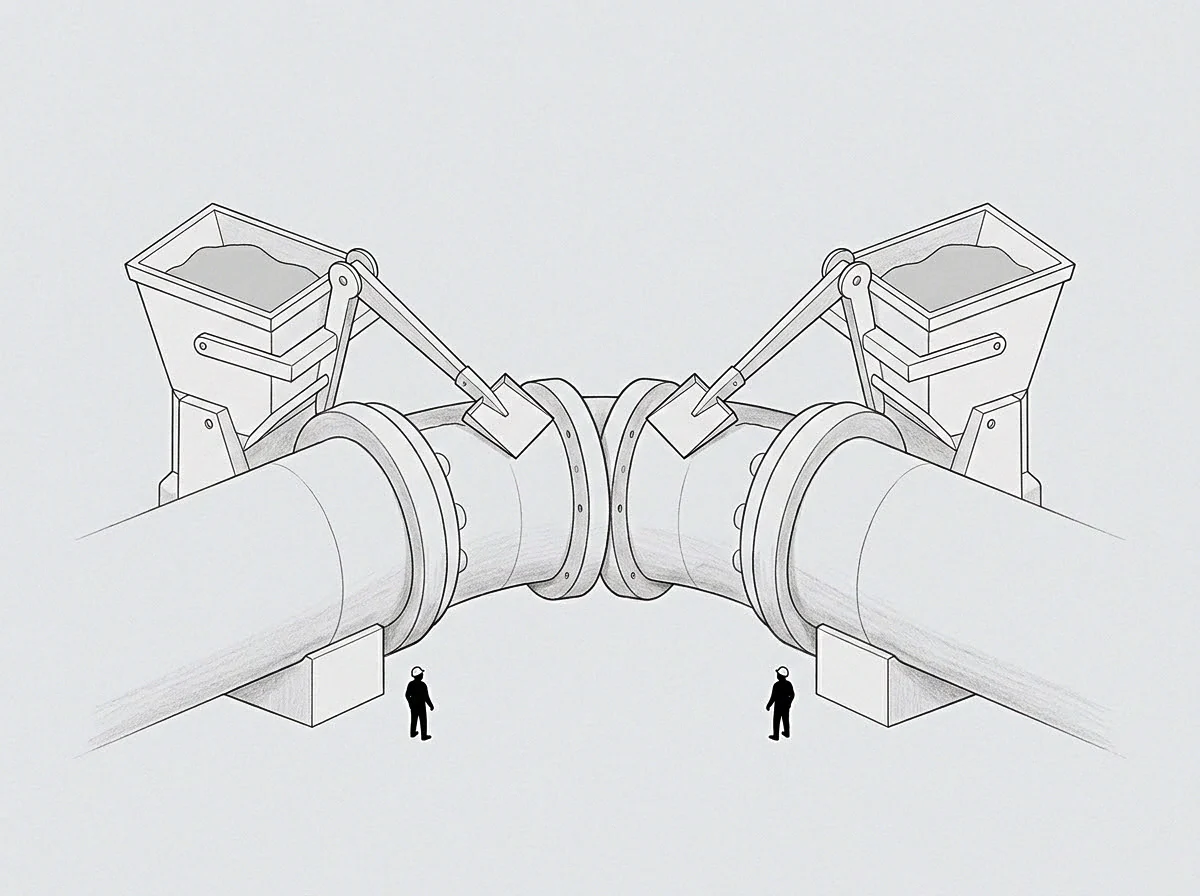
Kinematic friction asymmetries resolve by decoupling shared pathways or throttling unimpeded entities to prevent shear failure across degraded operational links.
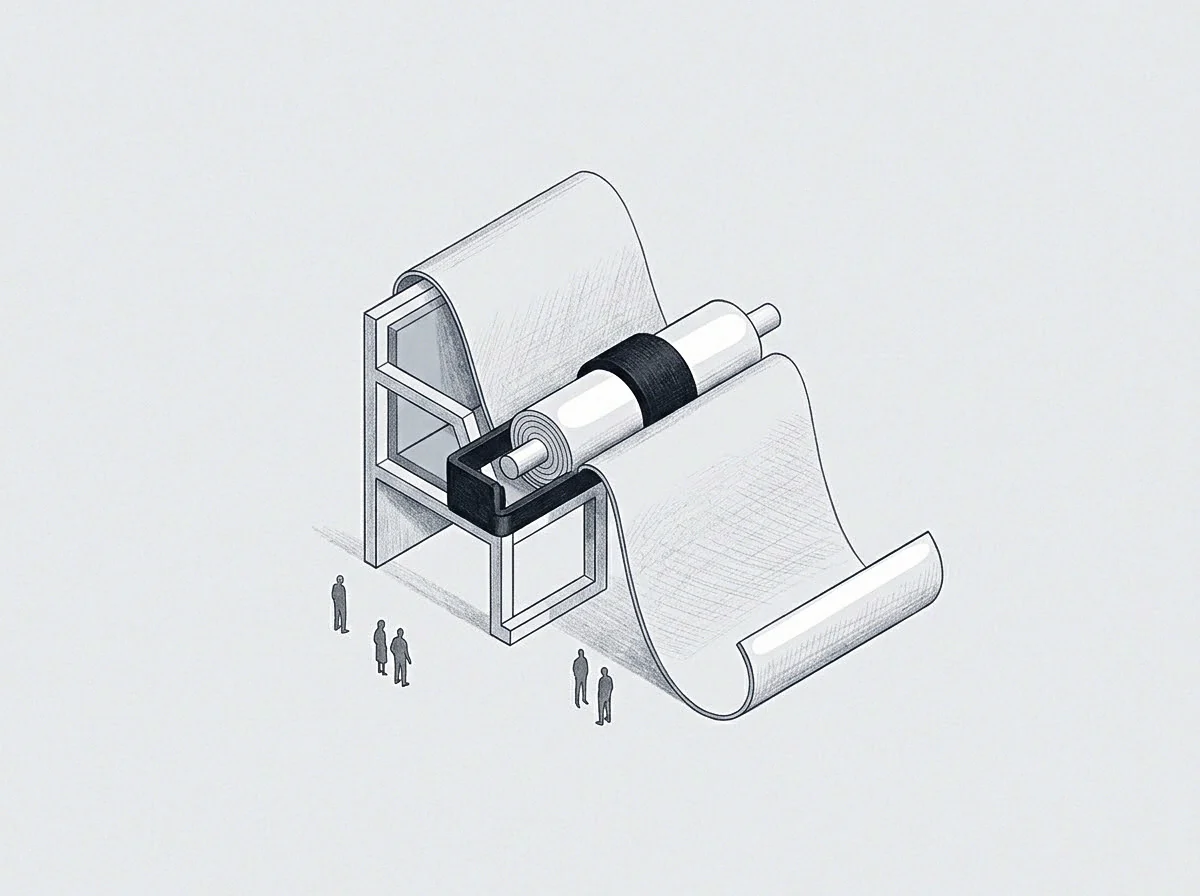
Spatial tracking reconstructs moving coordinates by filtering high-rate noisy inertial data against fixed infrastructure anchors across physical structures.

Boundary realignments conserve systemic friction, transferring operational coordination drag down to lower organizational tiers unless interface throughput scales.

Operational capacity remains latent when teams deflect down low-friction lateral paths, leaving an unspent volume calculable by decomposing the diverted vector.

Operational restructuring in deflection networks merely redistributes unresolved systemic backpressure into unmonitored organizational sinks.
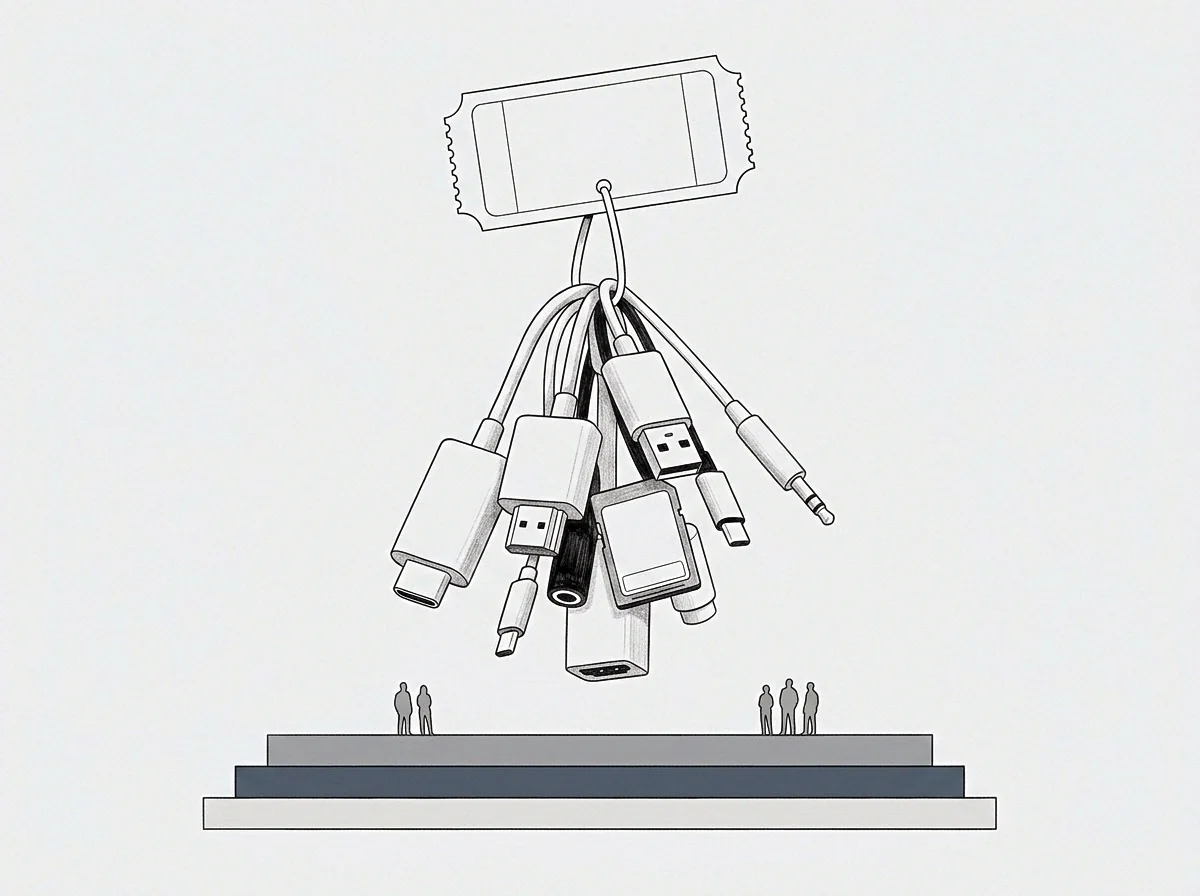
Structural potential behind technical boundary walls equals the inverted magnitude of operational energy expended in sustaining secondary diversion channels.
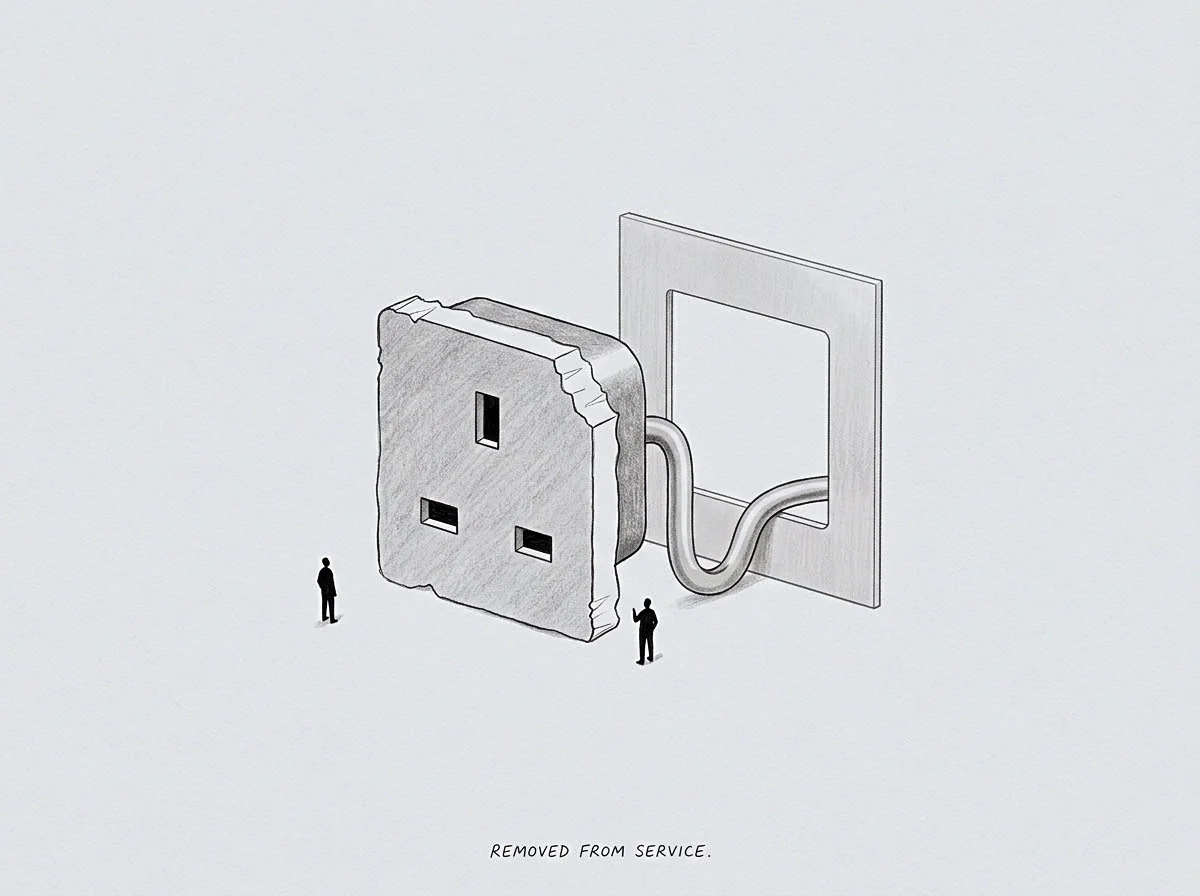
Wrapper infrastructure introduces compounding translation overhead that slows database refactoring velocity by penalizing structural schema updates.

Operational refactoring alters workflow topology so structural descent aligns with delivery outcomes without relying on continuous executive exertion.

Non-parametric duality bounds compute worst-case capital buffers across moment ambiguity sets to secure convex balance sheets against heavy-tailed shocks.

Dynamic reserve capital expands liquid cash buffers when structural portfolio curvature outpaces sample variance to absorb non-linear liquidation shocks.

Structural truncation halts private equity drawdown power laws when contractual equity wipeout and limited liability impose an absolute asset absorption floor.

Stripping chronological order from peak-to-trough drawdowns isolates tail thickness through rank-frequency decay while shifting serial clustering into parameter bias.
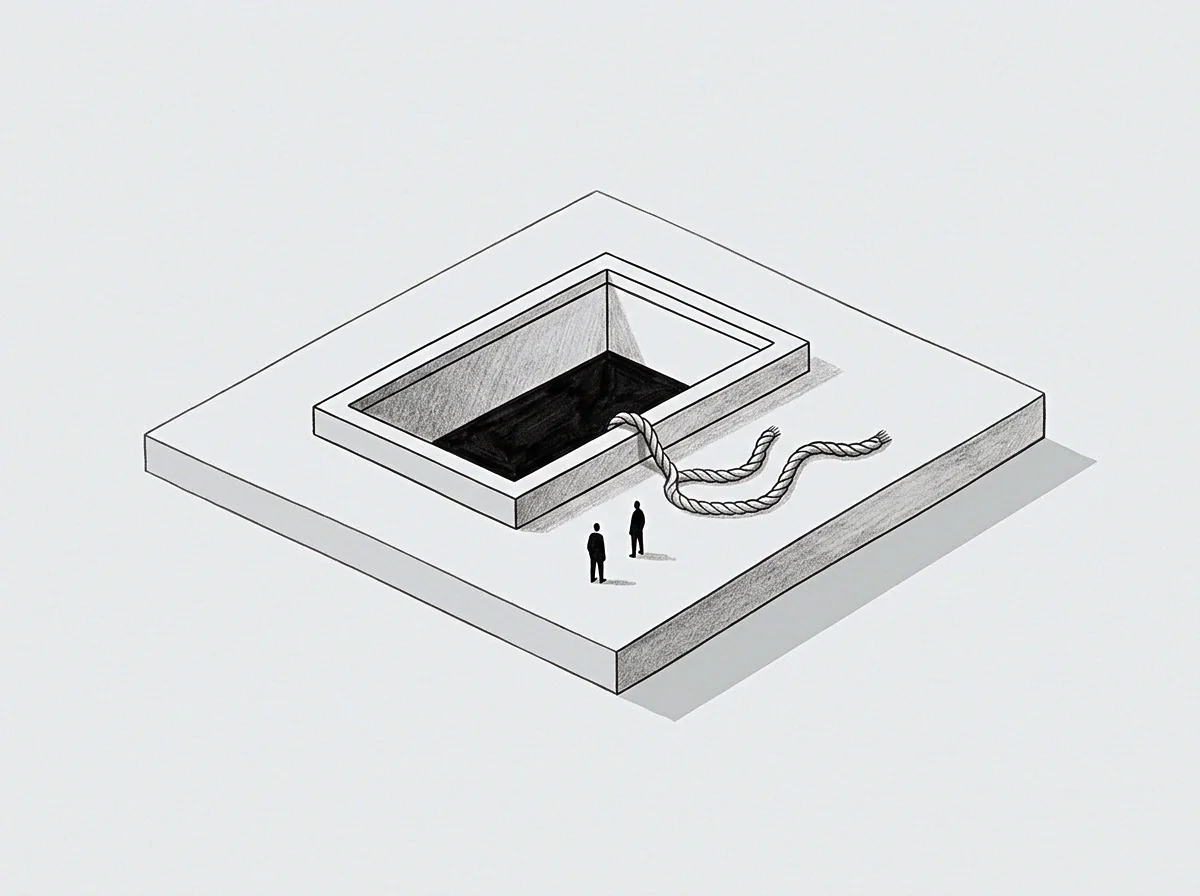
Capital depreciates with scale-invariant power law dynamics, depleting fixed percentages across balance sheet tiers beyond subjective human forecast accuracy.

Asymmetric tail payoffs resolve by tracking operational gradients against capital consumption boundaries rather than relying on symmetrical variance metrics.

Kernel thread scheduling delays in distributed service mesh envelopes stem from cgroup quota exhaustion, runqueue starvation, and non-stationary preemption.

Percentile estimation under burst traffic requires decoupling arrival schedules from completion signals to prevent queue backpressure from hiding tail delay.

State-gated structural coupling aligns strategic recalibration cycles with operational throughput boundaries by gating strategic shifts through queue backpressure.

Unsynchronized redirection converts delivery hours into scrap work and switching waste whenever corporate strategy turns faster than operational propagation.
The terms are written where they belong. Each field holds three desks, and every entry a desk writes raises the terms it uses, each term given a meaning, a mechanism and the places it appears. The record on these pages stays first person and hand made; the fields grow the nomenclature.