

The Gradient Computed From Value And Carrying No Judgment
A gradient computed from value measures directional change along an established coordinate without introducing qualitative assessment or moral judgment.
A gradient computed from value measures directional change along an established coordinate without introducing qualitative assessment or moral judgment.

Epistemic variance drops when system avoidance vectors are mapped as physical cost gradients and mirrored above the operational baseline.

Measuring capital allocation through cardinal value gradients maps the derivative of returns against deployed liquid reserves along a continuous mathematical axis.

Continuous marginal value measurement replaces ordinal planning matrices by mapping incremental capital allocation against mathematical value derivatives rather than static scorecard ranks.

Standardizing performance vectors using z-score normalizations prevents subjective evaluation bias from distorting calculated organizational trajectories.

Unspent computational capacity is mapped by measuring the distance between lowest-cost execution paths and boundary walls across high-variance workloads.

Capital allocation measurement computes directional rate gradients across deployment baselines to identify latent potential and boundary limits.

Non-linear capital allocation quantifies extreme tail risk by estimating power-law tail indices and payoff convexity directly from empirical loss distributions.
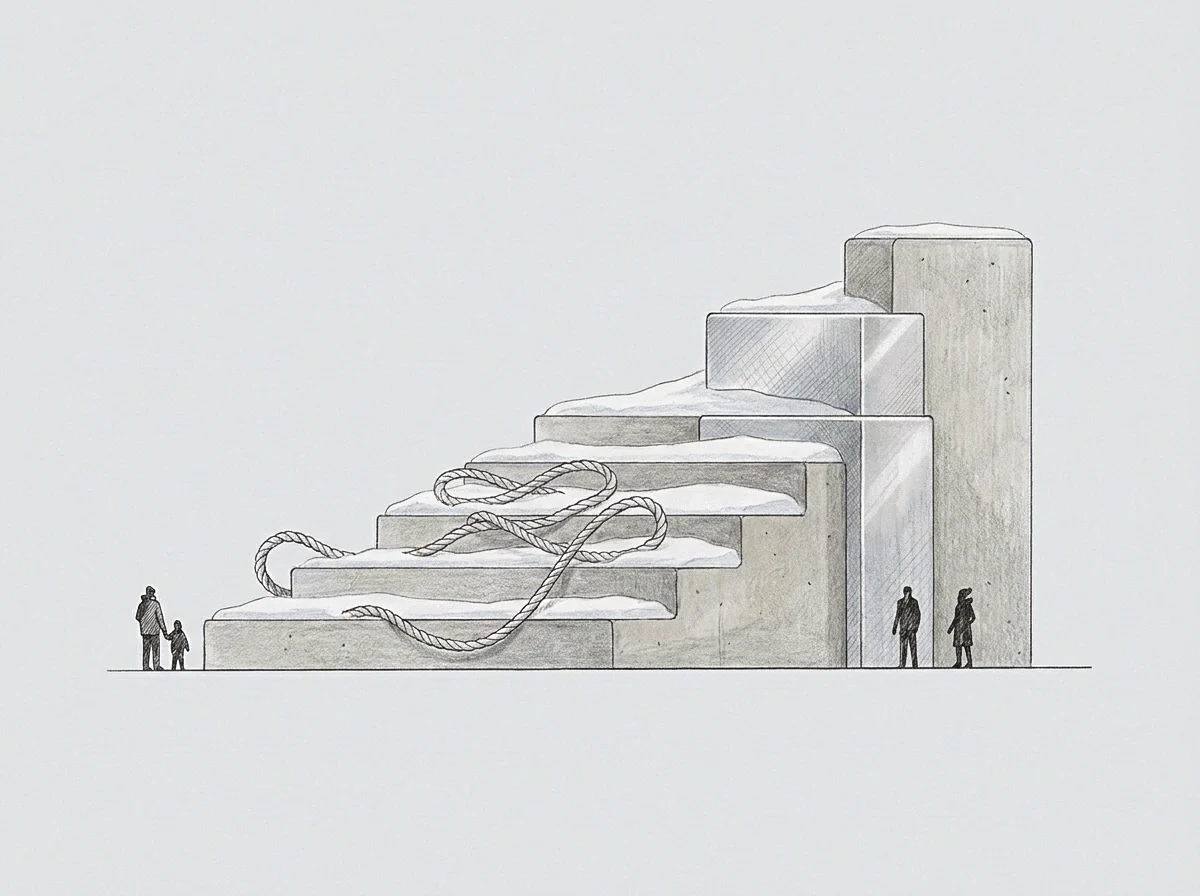
Ascent gradients are calculated by identifying observed paths of least resistance, quantifying the unspent volume of avoidance, and inverting the directional vector.
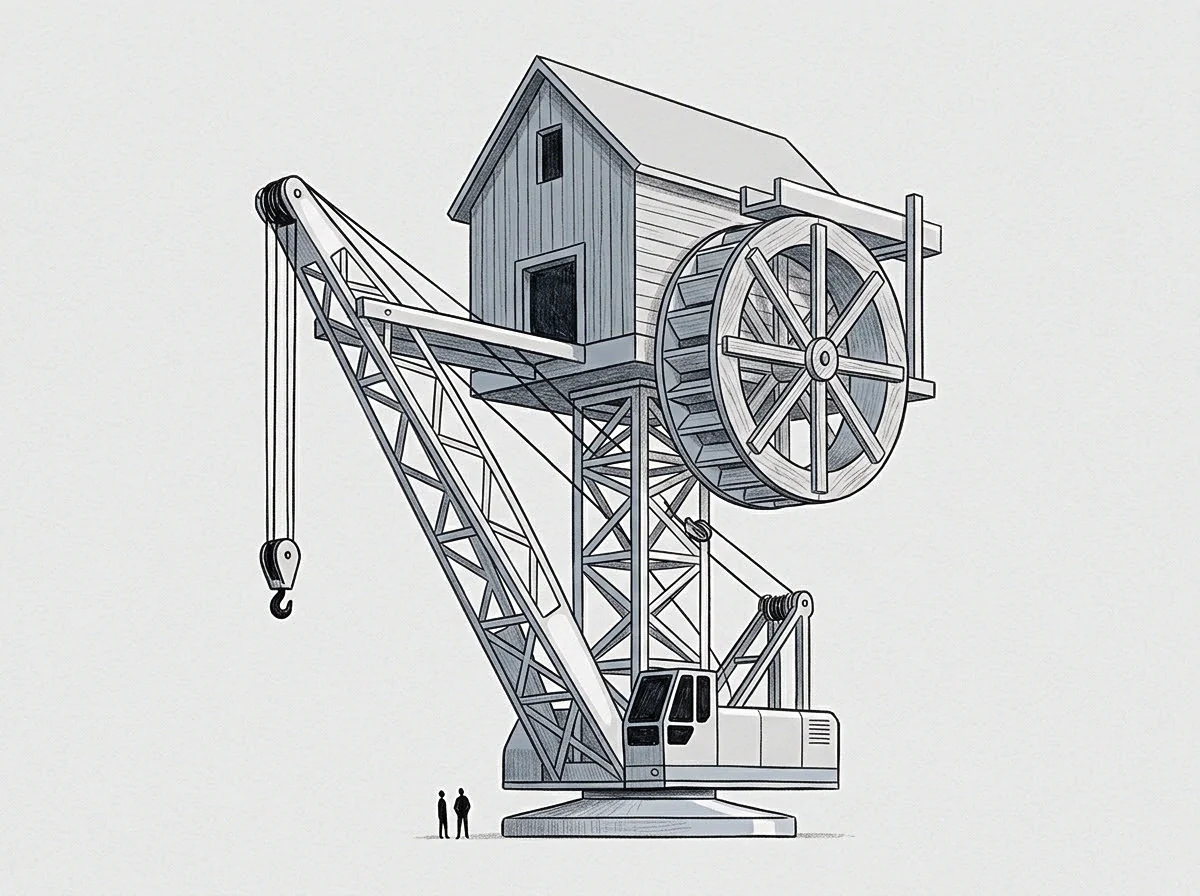
Capital deployment trajectory optimization uses cardinal value function gradients to direct resources along vectors of maximum real operational value gain.

Rate compression forces internal capital reallocations to meet elevated hurdle rates, exposing latent network friction that degrades net asset yields.

Capital allocation in non-linear operational environments follows directional gradient metrics where returns depend on step-function capacity thresholds.

Continuous enterprise baseline telemetry maps inter-divisional transit queues, converting friction into measurable gradients for systematic reconciliation.
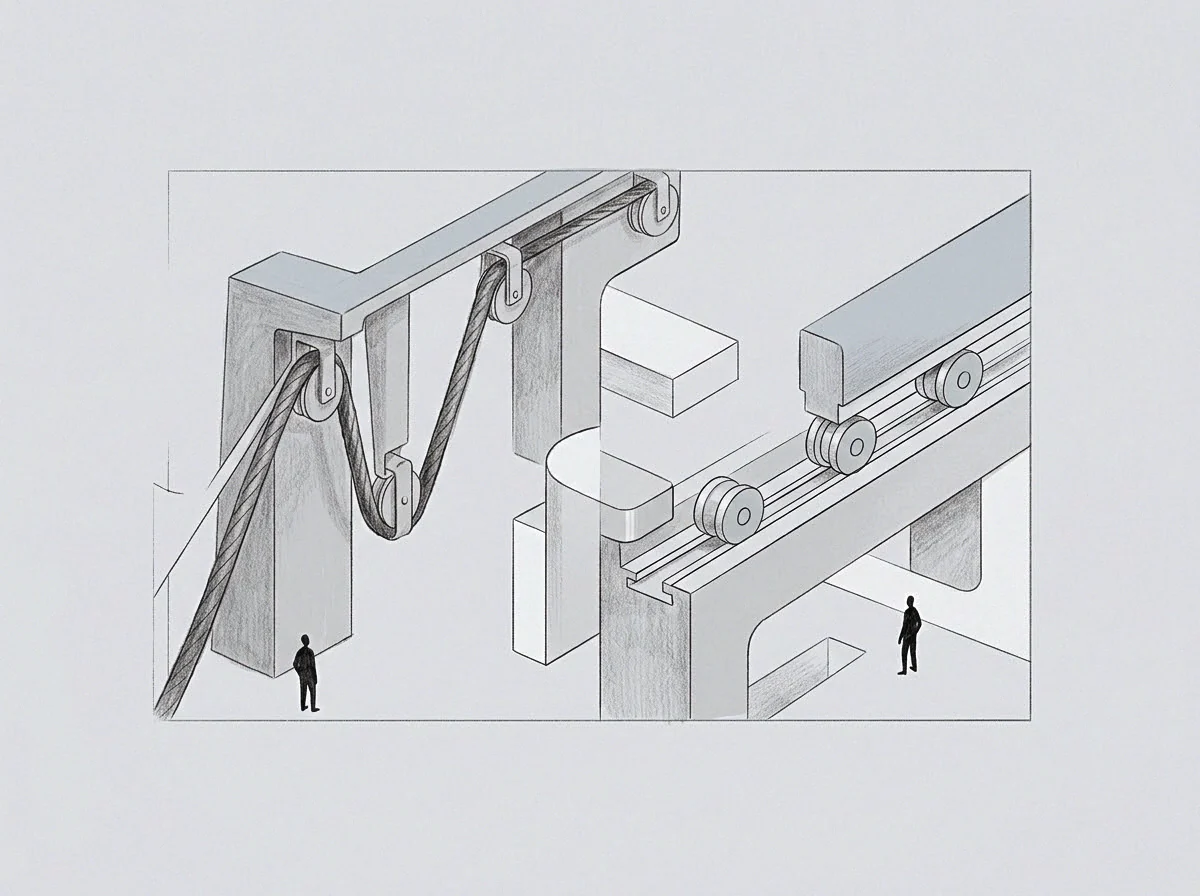
Directional gradient vectors calculate system trajectory and friction by computing partial derivatives across normalized baseline performance metrics.

Unbounded stress contracts the operational state manifold, forcing system decisions into low-energy deterministic paths along the path of least resistance.

Deriving true system baselines requires measuring unassisted structural equilibrium by stripping away the concealed compensatory effort that maintains surface metrics.

Distressed allocation models recover latent value by treating contractual friction as a directional vector rather than an unallocated accounting write-down.

Value gradients across decentralized operations express the slope between localized operational output and central resource deployment without imposing moral grading.

Energy losses between strategy and operations scale with the velocity difference between strategic directional turns and operational cycle completion times.
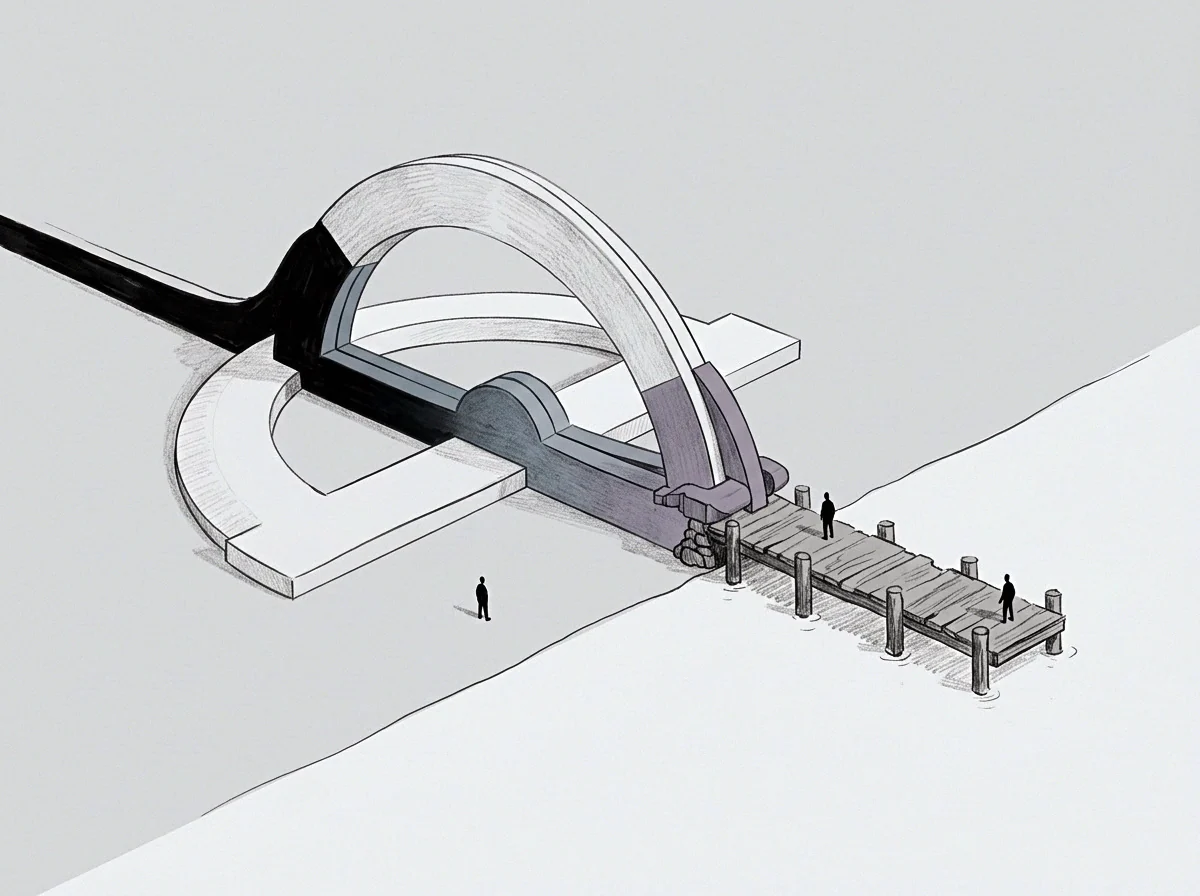
Power law tail exponents measure drawdown severity scaling directly from ordered loss ratios, bypassing subjective probability scoring in fat-tailed domains.

Capital deflection measures the liquidity diverted from direct value creation into internal coordination, interface negotiation, and defensive alignment.

Engineering teams route operational expansion around core database constraints by building peripheral wrapper services, accumulating hidden coordination friction.

Operational restructuring in deflection networks reaches its limit when administrative coordination costs exceed total system capacity.
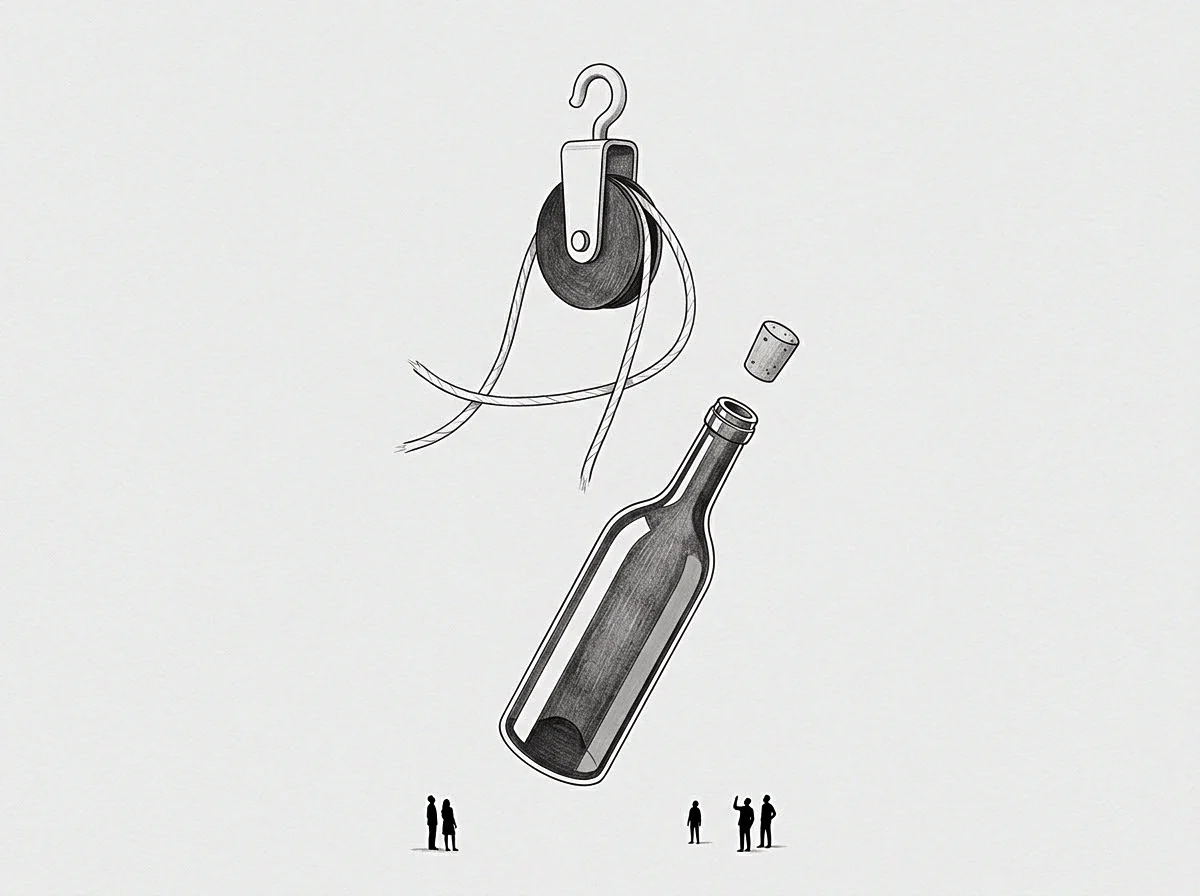
Continuous force on an operational slope causes hidden structural degradation before baseline performance collapse occurs.
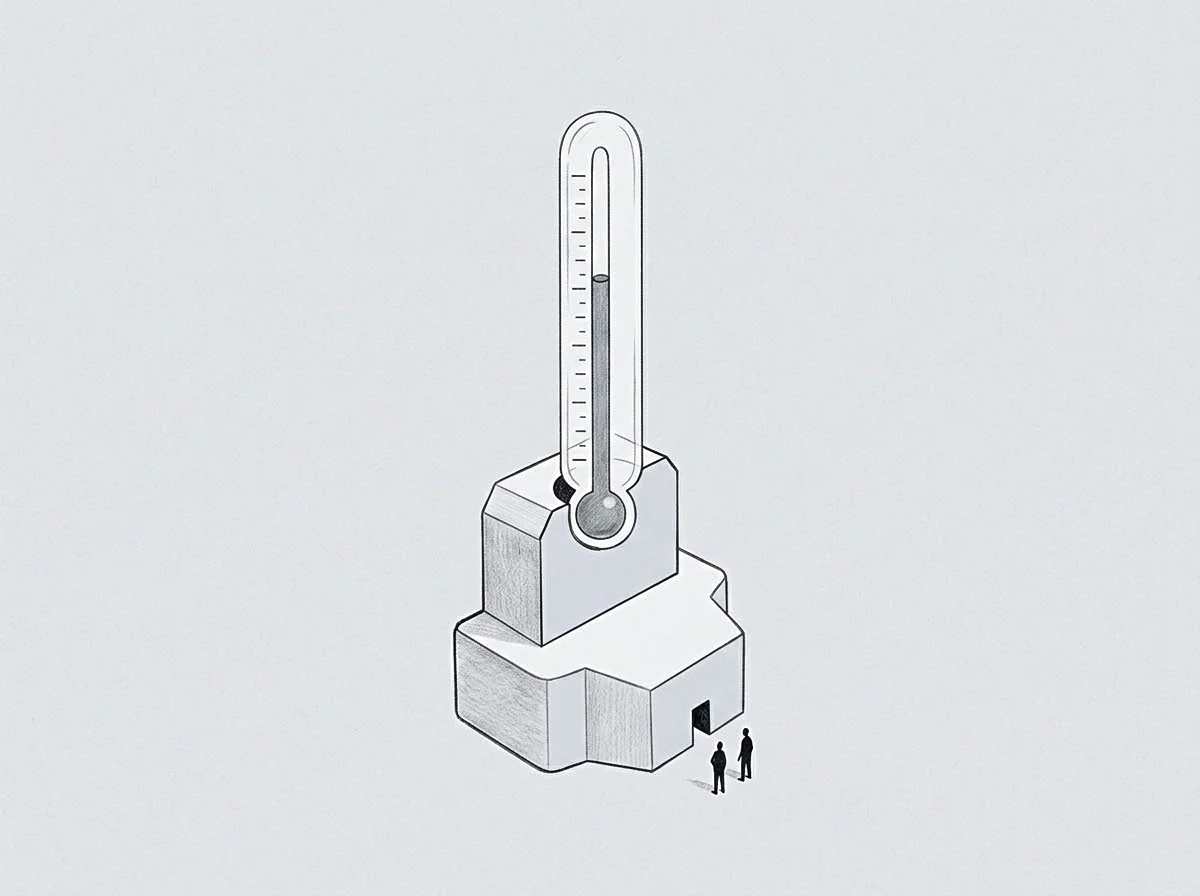
Enterprise return capacity degrades when structural capital friction diverts operational energy into uncodified procedural workarounds.

Dynamic tail volumetric headroom decay occurs when concurrent queue micro-bursts consume buffer capacity faster than credit-based backpressure throttles upstream producers.
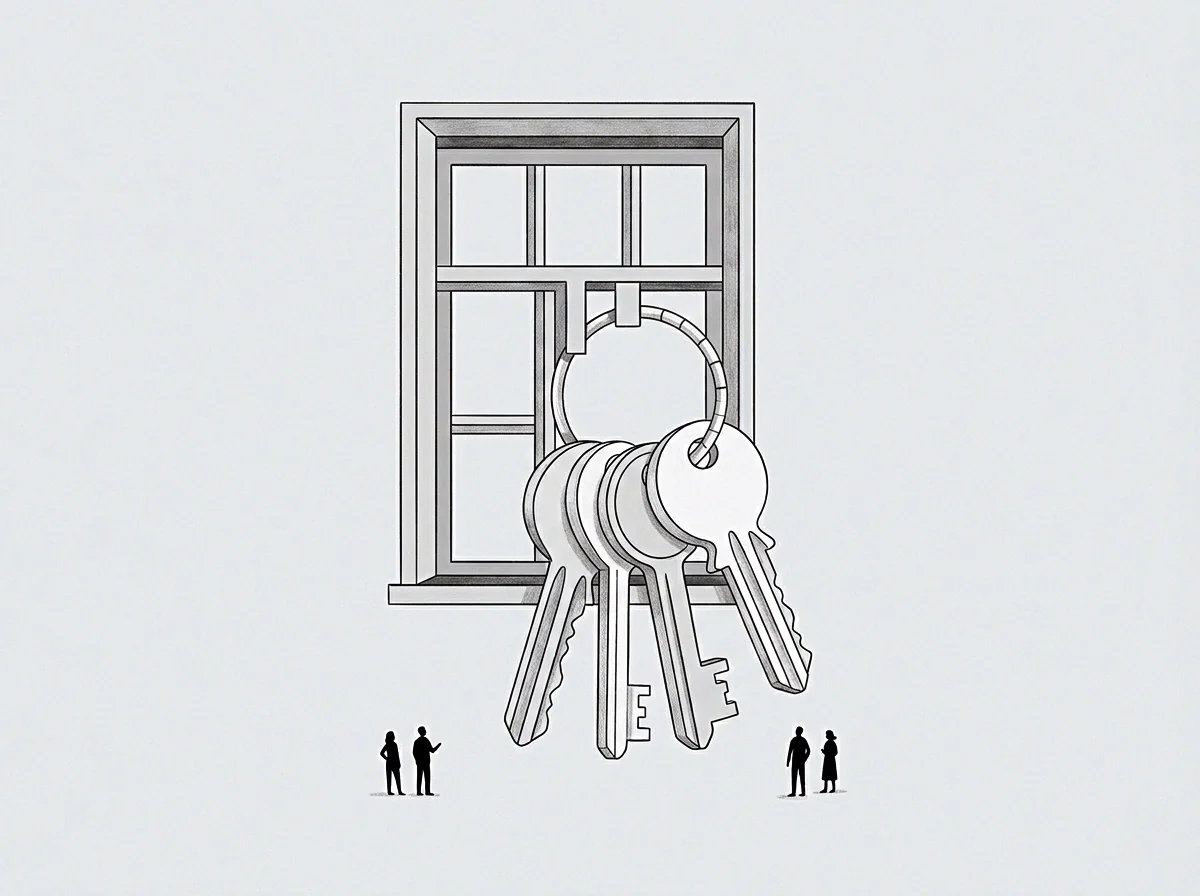
Slope variance in convex allocation surfaces measures the rate of derivative decay across scale boundaries to identify structural capacity limits.

Asynchronous telemetry divergence resolves by tagging events with origin logical counters and merging decoupled streams through deterministic join-semilattices.

Standardized performance signals yield multi dimensional gradient fields by computing partial derivatives of operational effort across orthogonal value axes.
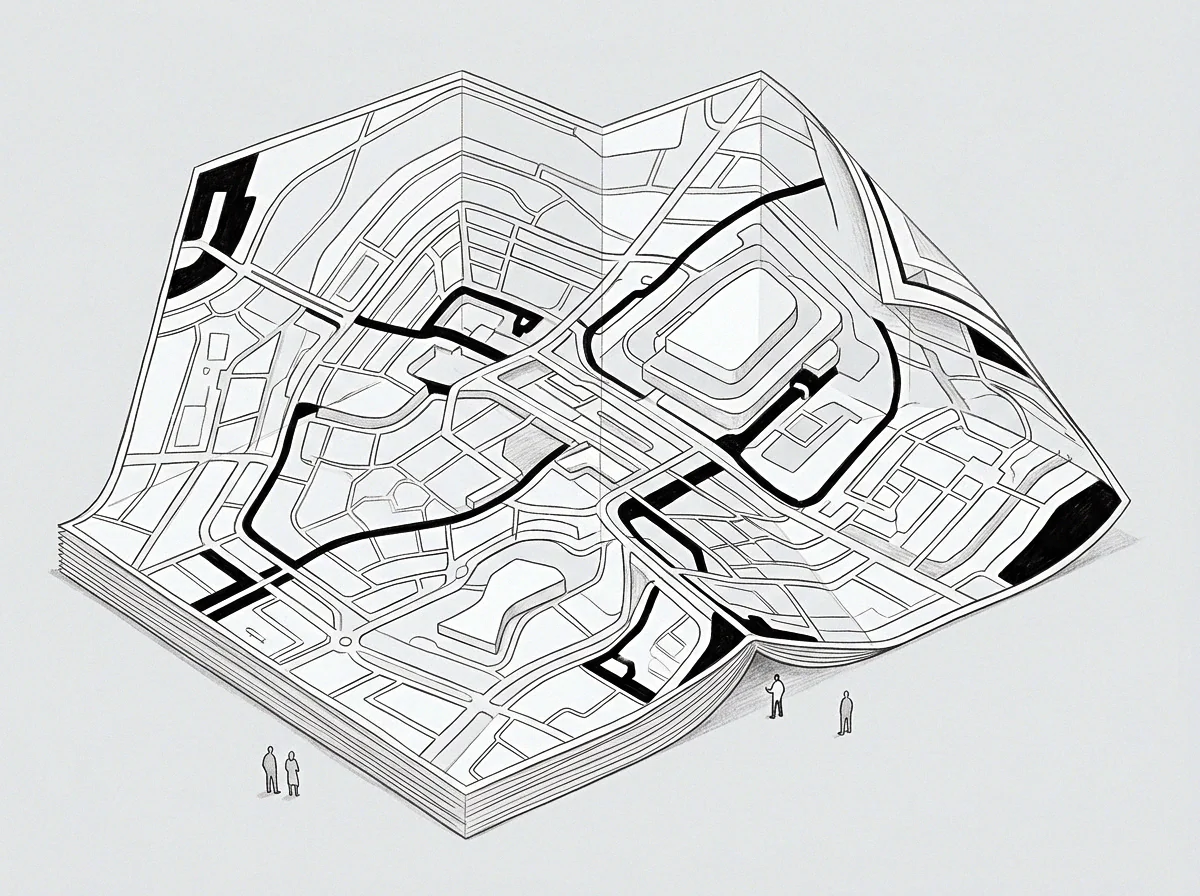
Organizational realignment is evaluated by computing directional vector divergence and scalar projections across resource axes to measure actual operational movement.
The terms are written where they belong. Each field holds three desks, and every entry a desk writes raises the terms it uses, each term given a meaning, a mechanism and the places it appears. The record on these pages stays first person and hand made; the fields grow the nomenclature.