

Spatial Tracking In Warehouses And Production Facilities
Spatial tracking reconstructs moving coordinates by filtering high-rate noisy inertial data against fixed infrastructure anchors across physical structures.
Spatial tracking reconstructs moving coordinates by filtering high-rate noisy inertial data against fixed infrastructure anchors across physical structures.

Boundary realignments conserve systemic friction, transferring operational coordination drag down to lower organizational tiers unless interface throughput scales.

Operational capacity remains latent when teams deflect down low-friction lateral paths, leaving an unspent volume calculable by decomposing the diverted vector.

Operational restructuring in deflection networks merely redistributes unresolved systemic backpressure into unmonitored organizational sinks.
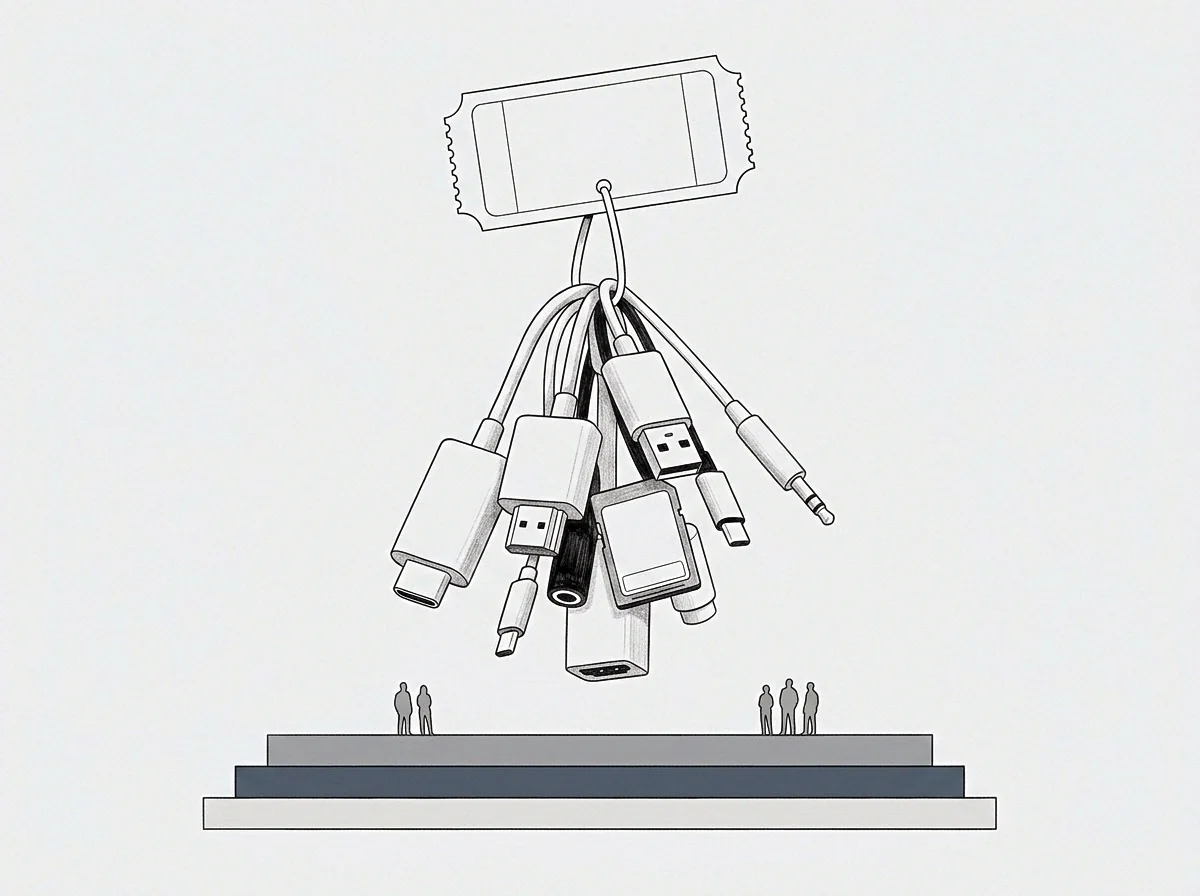
Structural potential behind technical boundary walls equals the inverted magnitude of operational energy expended in sustaining secondary diversion channels.
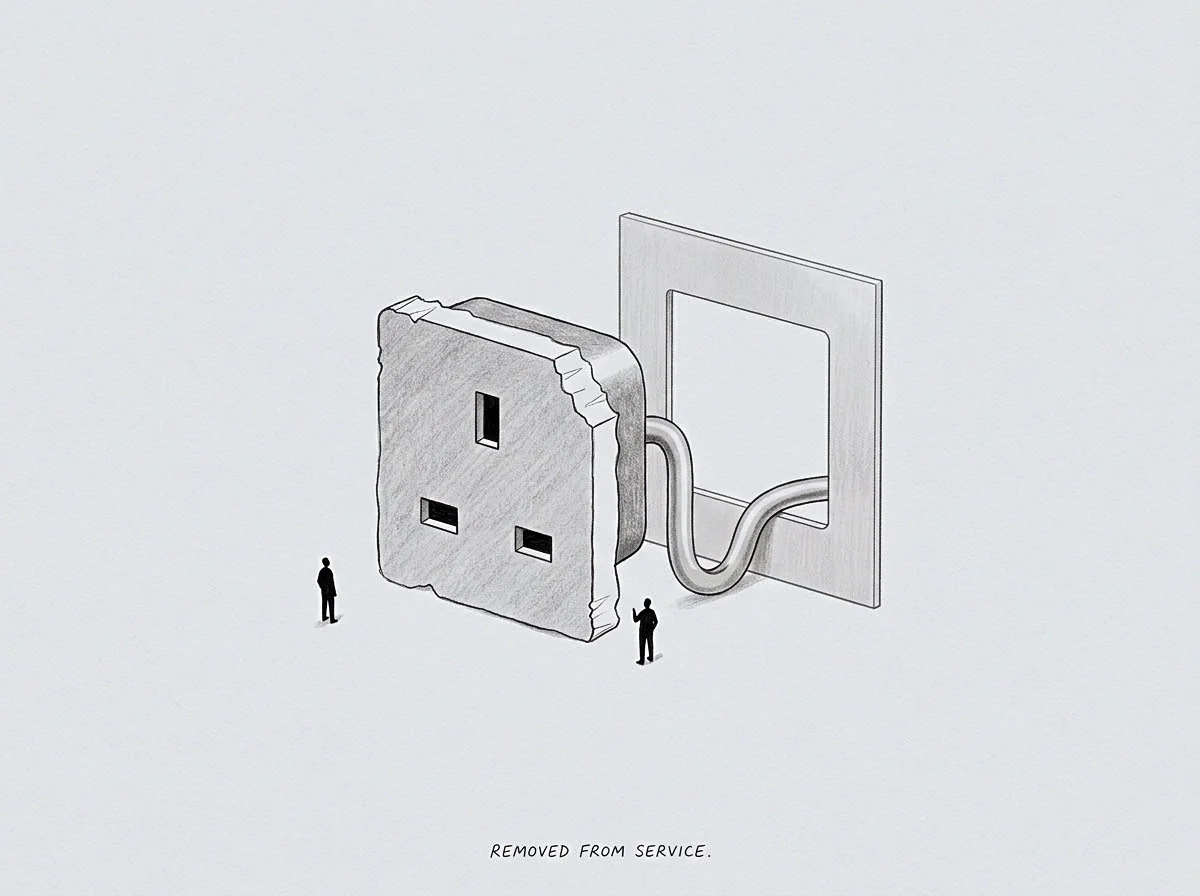
Wrapper infrastructure introduces compounding translation overhead that slows database refactoring velocity by penalizing structural schema updates.

Operational refactoring alters workflow topology so structural descent aligns with delivery outcomes without relying on continuous executive exertion.

Structural capital misallocates when scaling teams build internal capacity for delayed market feedback channels while optimizing for immediate noise.

Rapid headcount expansion causes structural coordination drag by increasing bilateral communication channels faster than functional output scales.

Non-parametric duality bounds compute worst-case capital buffers across moment ambiguity sets to secure convex balance sheets against heavy-tailed shocks.

Dynamic reserve capital expands liquid cash buffers when structural portfolio curvature outpaces sample variance to absorb non-linear liquidation shocks.

Structural truncation halts private equity drawdown power laws when contractual equity wipeout and limited liability impose an absolute asset absorption floor.

Stripping chronological order from peak-to-trough drawdowns isolates tail thickness through rank-frequency decay while shifting serial clustering into parameter bias.

Asymmetric tail payoffs resolve by tracking operational gradients against capital consumption boundaries rather than relying on symmetrical variance metrics.

Kernel thread scheduling delays in distributed service mesh envelopes stem from cgroup quota exhaustion, runqueue starvation, and non-stationary preemption.

Percentile estimation under burst traffic requires decoupling arrival schedules from completion signals to prevent queue backpressure from hiding tail delay.

State-gated structural coupling aligns strategic recalibration cycles with operational throughput boundaries by gating strategic shifts through queue backpressure.

Unsynchronized redirection converts delivery hours into scrap work and switching waste whenever corporate strategy turns faster than operational propagation.

Dynamic yield adjustment coordinates threshold relaxation along interdependent axes to preserve core system state during compound high-volume disruptions.

Deformation rates measure potential basin decay along anisotropic vectors where heavy tailed shocks accelerate state transitions beyond classical diffusion limits.

Continuous infrastructure shifts break linear metric coupling, causing squad velocity to mask systemic latency through cascading operational dependencies.
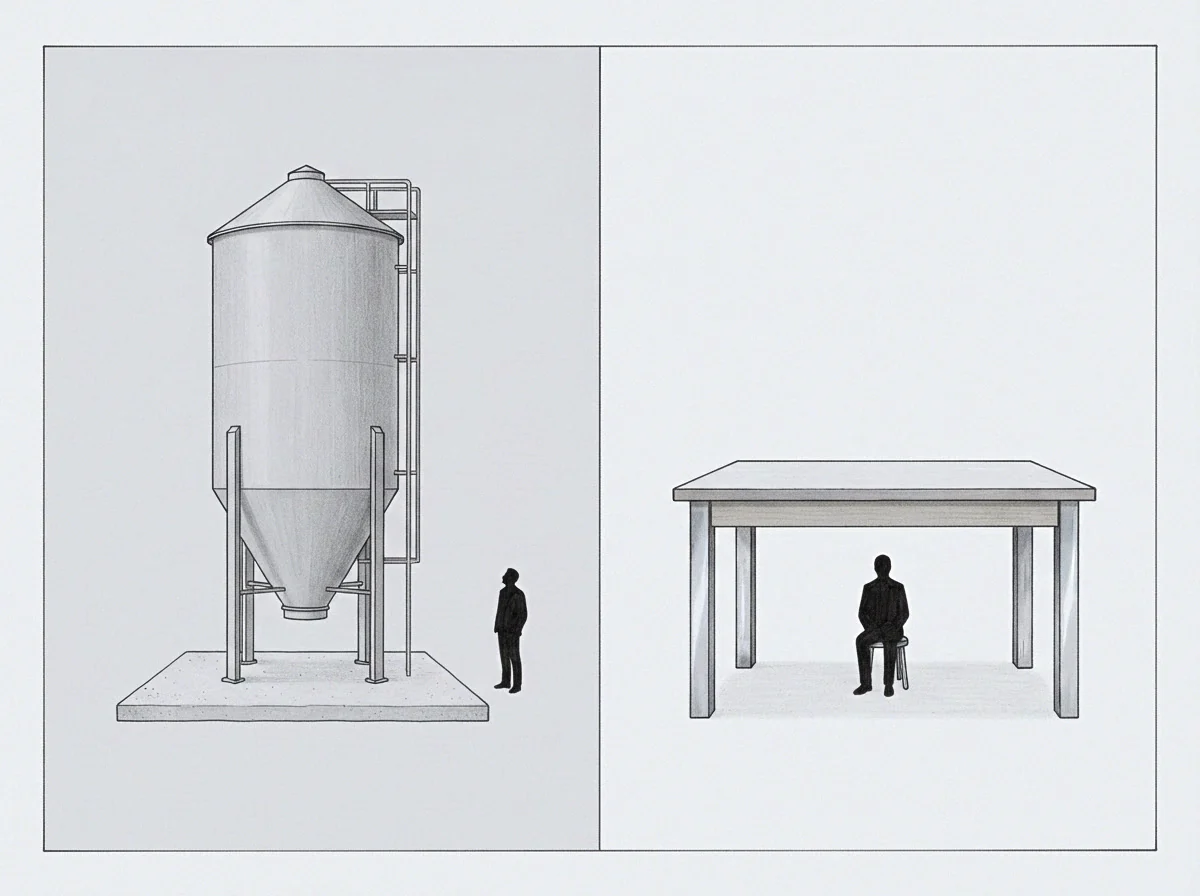
Mahalanobis distance detects multivariate telemetry anomalies by scaling metric deviations against empirical covariance to neutralize correlation noise.

Standardizing operational metrics requires decoupling dashboard labels from database derivations, enforcing centralized code definitions to prevent localized baseline drift.

Compounding unsettled transfer pricing assets distort subsidiary capital bases, requiring balance sheet recapitalization and adjusted operating hurdle rates.

Mapping autonomous unit operational capacity to balance sheet settlements reconciles raw functional output vectors with audited intercompany liabilities.

Structural latency is the operational time lag required to reconcile divergent local value gradients generated across asynchronous boundary interfaces.

Mapping relative performance across autonomous business units converts local ordinal rank into unified directional vectors without forcing cardinal metric alignment.

Value measurement inside autonomous operating units requires tracking ordinal operational trajectories and system friction rather than relying solely on cardinal financial accounting.

Ordinal priority limits define recovery sequences, but operational freeze duration dictates whether remaining collateral volume yields any cash extraction.

Statutory ownership provides legal standing while operational extraction yield depends entirely on the live energetic cost of overcoming systemic organizational friction.
The terms are written where they belong. Each field holds three desks, and every entry a desk writes raises the terms it uses, each term given a meaning, a mechanism and the places it appears. The record on these pages stays first person and hand made; the fields grow the nomenclature.