

Decomposing Operating Outlays Into Multi Component Resource Vectors
Decomposing operating outlays converts single cardinal financial figures into multi-component vectors tracking time, capability, attention, and capacity.
Decomposing operating outlays converts single cardinal financial figures into multi-component vectors tracking time, capability, attention, and capacity.

Converting ordinal internal cost vectors into cardinal client prices requires projecting multi-attribute resource drain onto a single transactional monetary figure.
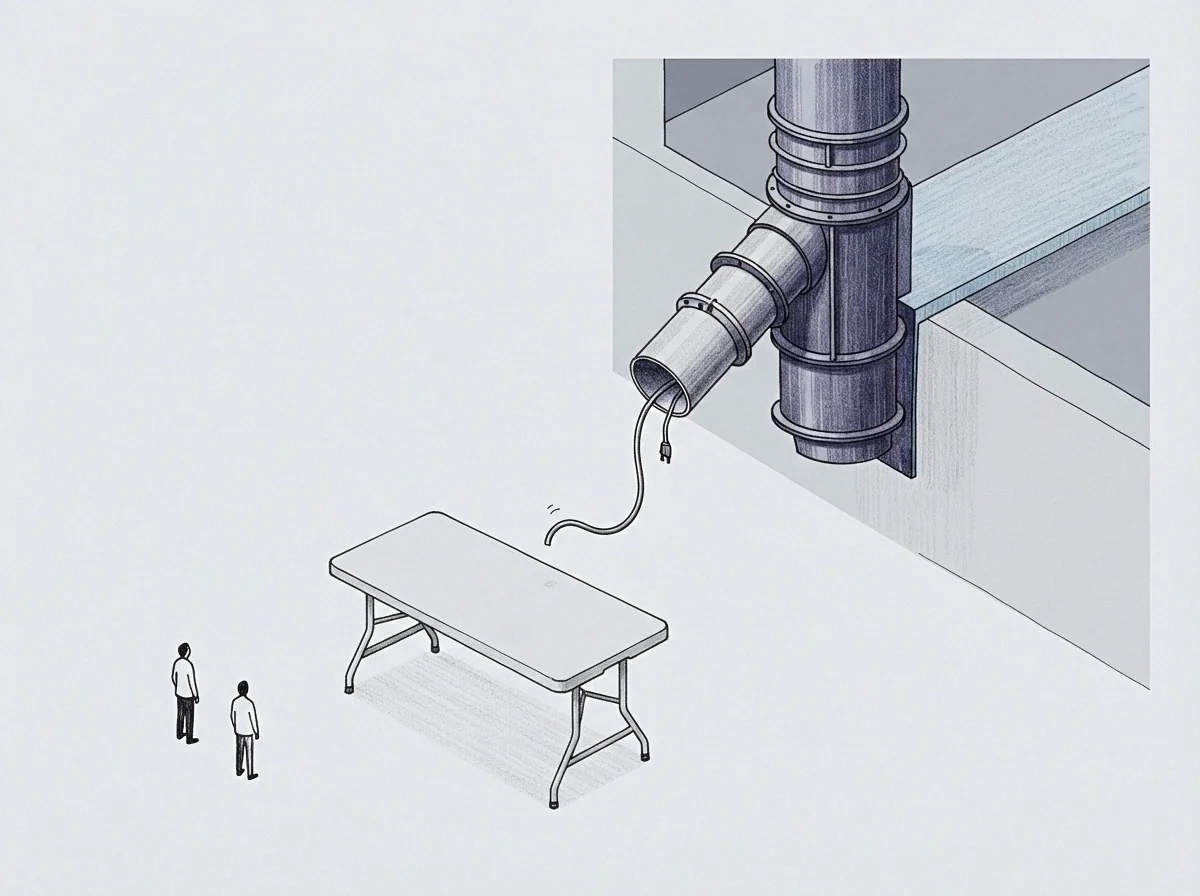
Preserving operational capacity during severe cash constraints requires substituting monetary payments with explicit non-monetary vectors of time and attention.

Financial outlays represent cardinal accounting figures that must be decomposed into ordinal resource vectors to measure true operational cost.

When cash reserves fall, operational decisions shift from cardinal monetary tracking to reading ordinal gradients across time, capacity, and capability vectors.

Prioritizing emergency incident latency consumes uninterrupted engineer capacity, converting invisible ordinal debt into recurring cardinal operational failures over time.

Operational capacity limits protect firm throughput by converting multi-attribute internal attention costs into explicit, measurable client agreement terms.

Non-monetary compensation transfers balance-sheet preservation onto operators as unpriced cognitive drag and rapid functional capital degradation.

Internal operational strain maps to commercial terms when multi attribute friction vectors convert into explicit contract triggers and fee adjustments.

Capital shortfalls under Knightian uncertainty force organizations to rank capacity vectors on ordinal scales when cardinal pricing mechanisms break down.

Resource expenditures move as multi-attribute ordinal vectors that must be tracked across internal dimensions before conversion into cardinal market prices.

Unresolved operational resource exhaustion occurs when venture allocation models treat bounded human capacity as an infinite linear variable convertible with cash.

Capital drain is measured in cardinal figures while capability gains move along an ordinal vector that dictates long-term commercial leverage.

Decoupling cardinal cash metrics from ordinal resource gradients prevents cash timeline compression from distorting operational capability trajectory.

True service expenditure is an ordinal vector of labor, capacity, and attention that cardinal pricing models routinely obscure and fail to compensate.

Engineering attention distribution measures ordinal cognitive effort across projects through passive telemetry to reveal hidden context switching overhead.

Attention vector telemetry isolates engineering bottlenecks by measuring focus continuity and queue delays rather than nominal ticket throughput.

Reconstructing attention vectors requires isolating technical capacity behind hard operational bounds when systemic friction exceeds baseline throughput.

Interruption converts continuous cognitive execution into fragmented ordinal cost vectors that systematically degrade engineering output through working memory reconstruction latency.

Operational latency during infrastructure refactoring acts as an ordinal vector where temporary translation adapters and dual-writes degrade system throughput long before storage bounds fail.

Unbounded asynchronous communication consumes specialized cognitive capacity through context switching, converting profitable service retainers into unbilled operational losses.

Asynchronous context recovery latency is mitigated by structuring SLAs around state capture artifacts, batching bounds, and automatic re-entry fee offsets.

Asynchronous client messaging causes technical attention losses by fragmenting working memory and incurring heavy context restoration latency across execution blocks.

Removing direct client messaging channels converts hidden internal cost vectors into explicit monthly retainer retention decisions.

Internal fatigue vectors translate into service retainer terms by binding qualitative team friction to explicit, quantitative capacity bounds in contracts.
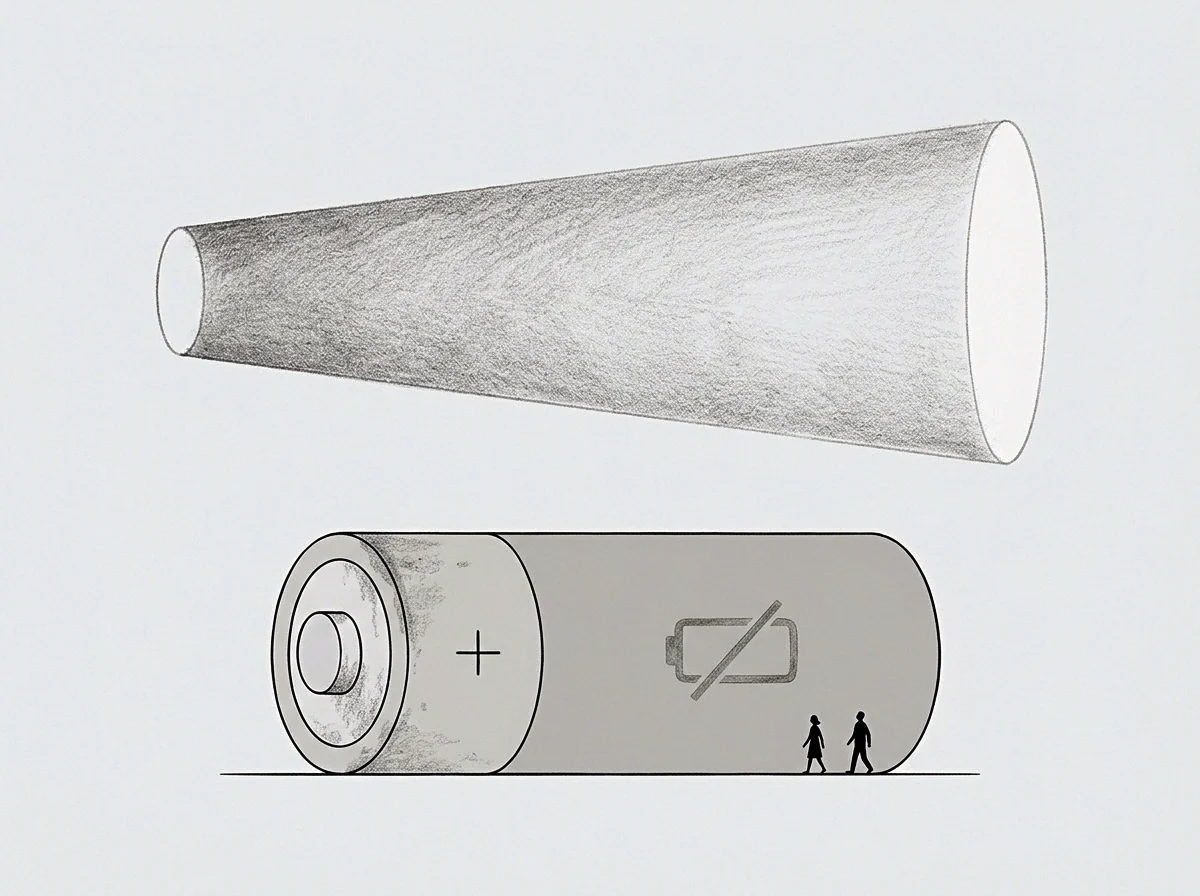
Technical debt and cognitive exhaustion form a compound vector where cash depletion strips the margin needed to isolate architectural errors.

Trading intellectual capacity for cash exchanges non-fungible future problem-solving agency for short-term liquidity, eroding proprietary advantage.

When capital reserves fail, financial pricing breaks down and resource allocation converts to an ordinal ranking of non monetary operational vectors.

Early restructuring safe harbors protect exhausted executives by pre-authorizing objective governance handovers before physical collapse breaches fiduciary duties.

Operational effort vectors reveal the hidden internal labor required to sustain vendor tools whose fixed invoices conceal true multi-attribute costs.
The terms are written where they belong. Each field holds three desks, and every entry a desk writes raises the terms it uses, each term given a meaning, a mechanism and the places it appears. The record on these pages stays first person and hand made; the fields grow the nomenclature.